
Playwriting has long been a mirror held up to society, reflecting its joys, struggles, and unspoken truths. Yet, when the stage becomes a platform for autistic voices, something extraordinary happens—not just in the stories told, but in the very act of creation. Autistic playwrights and performers are reshaping the theatrical landscape, challenging conventions of narrative structure, sensory engagement, and emotional resonance. Their work isn’t merely about representation; it’s about redefining what theater can be when it embraces neurodivergent perspectives. The fascination with autism in playwriting isn’t just a trend—it’s a necessary evolution, one that reveals how storytelling itself can be reimagined through a different cognitive lens.
Consider the way autistic individuals often perceive the world: with heightened attention to detail, a preference for pattern and repetition, and a deep, almost ritualistic engagement with sensory experiences. These traits, when channeled into playwriting, produce narratives that are rich in texture, layered with meaning, and resistant to the linear storytelling that dominates mainstream theater. Autistic playwrights don’t just write characters—they craft entire sensory ecosystems, where dialogue is just one thread in a tapestry of sound, movement, and visual symbolism. The result is theater that doesn’t just tell a story; it immerses the audience in an experience that feels simultaneously alien and profoundly human.

The Unconventional Narrative: How Autistic Playwrights Redefine Structure
Traditional playwriting often adheres to a three-act structure, with clear arcs of conflict, climax, and resolution. Autistic playwrights, however, frequently eschew this framework in favor of more fluid, episodic, or cyclical narratives. Their stories may unfold in spirals rather than straight lines, with themes repeating and evolving like motifs in a symphony. This isn’t a rejection of storytelling conventions out of hand; it’s a reflection of how autistic minds process time and causality. For many autistic individuals, life isn’t a series of neatly resolved conflicts but a series of moments that accumulate into meaning.
Take, for example, the work of playwright Sarah Kane, whose fragmented, visceral style often drew comparisons to autistic thought patterns. Her plays, like Blasted, don’t follow a traditional arc but instead build tension through repetition and abrupt shifts in tone. Similarly, contemporary autistic playwrights like Martyna Majok—though not explicitly autistic herself—has crafted plays like Cost of Living that prioritize sensory detail and nonlinear progression. These works challenge audiences to engage with theater on a deeper, more intuitive level, where the journey is as important as the destination.
The rejection of linear storytelling isn’t just an artistic choice; it’s a political one. By dismantling the expectation of a tidy narrative, autistic playwrights force audiences to confront the messiness of real life—the way experiences don’t always resolve neatly, the way emotions linger long after the climax has passed. This approach resonates deeply with autistic audiences, who often find traditional narratives alienating in their predictability. Instead, they seek stories that mirror their own experiences of the world: fragmented, nonlinear, and rich with internal logic.
Sensory Theater: When the Stage Becomes a Neurodivergent Playground
Theater has always been a multisensory medium, but autistic playwrights and directors are pushing the boundaries of what that means. For many autistic individuals, the stage isn’t just a platform for dialogue—it’s a space to explore texture, rhythm, and sensory input in ways that mainstream theater rarely attempts. This has given rise to a new wave of sensory theater, where performances are designed to engage not just the ears and eyes, but the entire body.
Consider the work of companies like Oily Cart in the UK, which creates immersive, multisensory performances for autistic audiences. Their productions often incorporate tactile elements, ambient sounds, and even scent-based cues to guide the audience through the story. The goal isn’t just to tell a story but to create an experience that feels safe, engaging, and tailored to neurodivergent sensory preferences. This approach challenges the traditional hierarchy of theater, where dialogue and visual spectacle often take precedence over other forms of expression.

For autistic playwrights, sensory theater isn’t just about accessibility—it’s about authenticity. Many autistic individuals experience the world in a way that is deeply tied to their senses, and their stories reflect that. A play might incorporate repetitive movements to mirror stimming behaviors, or use sudden loud noises to evoke the overwhelming nature of sensory overload. These choices aren’t gimmicks; they’re essential to the storytelling, providing a window into the autistic experience that traditional theater often overlooks.
The rise of sensory theater also reflects a broader shift in how we think about performance. As audiences become more diverse, so too must the forms of theater that cater to them. Autistic playwrights are at the forefront of this movement, proving that theater doesn’t have to be a one-size-fits-all experience. Instead, it can be a kaleidoscope of sensory and narrative possibilities, where each audience member’s experience is uniquely their own.
The Politics of Representation: Who Gets to Tell Autistic Stories?}
One of the most contentious issues in autistic playwriting is the question of who gets to tell autistic stories. For decades, autistic characters were written by neurotypical playwrights, often reduced to stereotypes—either as tragic figures or inspirational heroes. The result was a body of work that, while well-intentioned, often missed the mark in capturing the complexity of autistic experiences. Today, autistic playwrights are increasingly taking control of their own narratives, writing stories that reflect their own lives rather than the projections of others.
This shift isn’t just about representation; it’s about power. When neurotypical writers craft autistic characters, they often do so from a place of curiosity or pity, rather than lived experience. The result can be stories that feel voyeuristic or exploitative, even when they’re well-meaning. Autistic playwrights, on the other hand, bring a level of nuance and authenticity that is impossible to replicate. Their stories aren’t just about autism—they’re about the full spectrum of human experience, from joy to frustration to the mundane details of daily life.
Yet, the push for autistic representation isn’t without its challenges. Many autistic playwrights face barriers to entry in the theater world, from lack of access to funding to the persistent belief that neurodivergent stories aren’t commercially viable. The industry’s slow pace of change has led some autistic artists to bypass traditional theater altogether, turning instead to digital platforms, community-based performances, or interdisciplinary collaborations. These alternative spaces allow for greater experimentation and control, but they also highlight the need for systemic change in how theater supports neurodivergent voices.
The debate over representation also extends to the casting of autistic roles. Should autistic characters be played by autistic actors? The answer isn’t always straightforward. While casting autistic actors can bring authenticity to a role, it can also limit opportunities for neurotypical actors who might bring their own unique interpretations. The key, as with all forms of representation, is to prioritize collaboration and consent, ensuring that autistic voices are centered in the creative process without being tokenized.
The Future of Autistic Playwriting: Beyond the Stage
The influence of autistic playwriting isn’t confined to the theater. As the boundaries between disciplines blur, autistic playwrights are increasingly collaborating with visual artists, musicians, and digital creators to push the boundaries of what theater can be. This interdisciplinary approach reflects the way many autistic individuals think—across categories, connecting ideas in ways that defy traditional silos.
One emerging trend is the use of interactive theater, where the audience isn’t just a passive observer but an active participant in the story. For autistic audiences, this can be a game-changer, allowing them to engage with the performance in a way that feels safe and controlled. Interactive theater also aligns with the autistic preference for autonomy and choice, giving audiences the power to shape their own experience rather than being dictated to by a linear narrative.
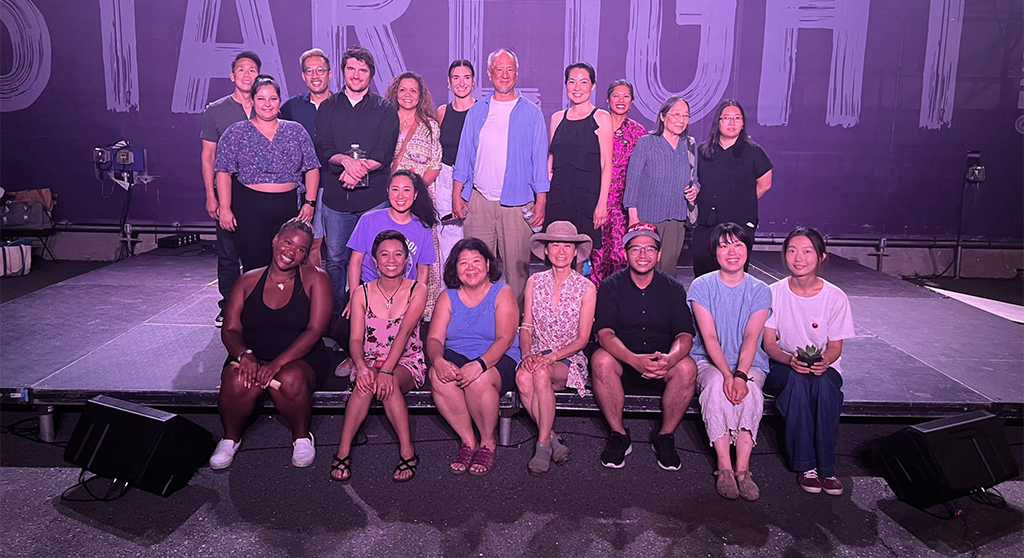
Another exciting development is the rise of autistic-led theater companies, which are creating spaces for neurodivergent artists to thrive. These companies often prioritize sensory-friendly performances, relaxed environments, and flexible ticketing options, making theater more accessible to autistic audiences. They also serve as incubators for new talent, providing mentorship and resources to autistic playwrights who might otherwise struggle to break into the industry.
The future of autistic playwriting lies in these hybrid spaces—where theater intersects with technology, where stories are told in multiple formats, and where the audience is as diverse as the stories being told. As society becomes more aware of neurodiversity, the demand for authentic, inclusive storytelling will only grow. Autistic playwrights are leading the charge, proving that theater isn’t just a mirror but a catalyst for change.
The stage has always been a place of transformation, where stories can challenge, inspire, and redefine our understanding of the world. When autistic voices take center stage, that transformation becomes even more profound. Their work isn’t just about autism—it’s about the full spectrum of human experience, told in a way that feels true to the way they see the world. And in doing so, they’re not just changing theater; they’re changing how we think about storytelling itself.