Embarking on the journey of potty training a child with autism can often feel like navigating a labyrinth. It is a voyage filled with unique challenges, unforeseen detours, and triumphant milestones. Just as a skilled mariner reads the subtle signs of the sea, caregivers must learn to interpret the silent signals and nuanced behaviors of their child to achieve success. Potty training for children on the spectrum is not merely about establishing a routine—it is a delicate dance that requires patience, insight, and adaptability.
Understanding the Landscape: Why Potty Training Differs for Children with Autism
Just as every landscape possesses distinct flora and fauna, every child with autism demonstrates a singular constellation of abilities and needs. The neurological makeup of children on the spectrum often results in sensory differences, communication challenges, and difficulties with transitions. These factors can complicate the straightforward process many parents expect with potty training.
For instance, sensory processing issues might make the feel of toilet paper or the sound of flushing uncomfortable or even distressing. The abstract concept of recognizing bodily signals may not be inherently intuitive, demanding a clear and tangible framework to foster understanding. Hence, the conventional “watch and learn” approach is rarely sufficient.
The Power of Visual Supports: Creating a Concrete World

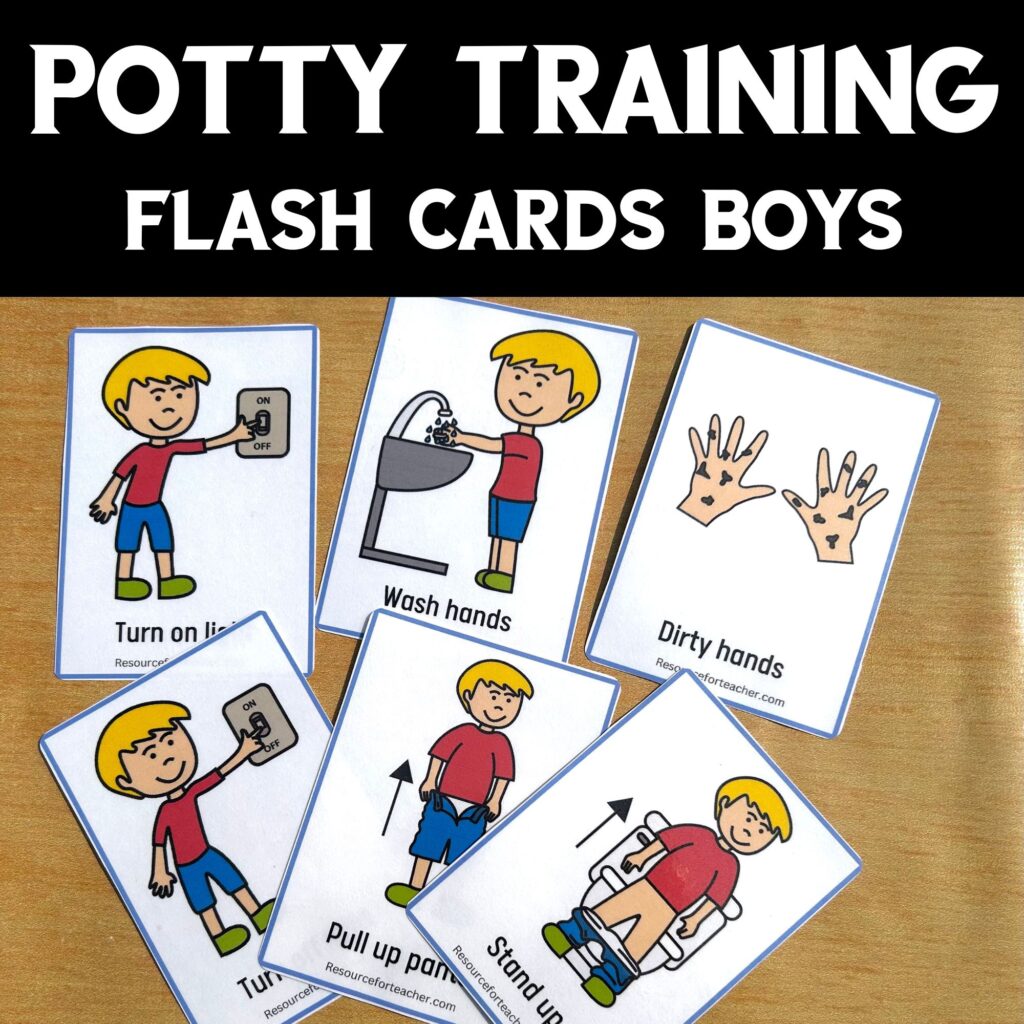
Visual supports act as beacons within the fog of ambiguity, providing concrete cues to guide the child through each step of the process. Visual schedules, step-by-step picture cards, and social stories break down the abstract into tangible, comprehensible components. These tools can significantly reduce anxiety by setting clear expectations.
For example, a picture sequence illustrating hand washing after using the toilet not only reinforces hygiene but also anchors the behavior in a predictable routine. By engaging the visual strengths common to many children on the spectrum, caregivers can transform an overwhelming task into a manageable series of actions.
Establishing Consistent Routines: The Architecture of Success
Routines serve as the architectural framework that supports learning for many children with autism. The predictability and structure they provide foster a sense of security, reducing resistance born from uncertainty. Creating a consistent potty schedule—such as attempting the toilet after meals or before bedtime—can harness bodily rhythms and reinforce expectations.
Furthermore, integrating positive reinforcement during routine practice, whether through praise or small rewards, can solidify motivation. The repetition inherent in routine also facilitates muscle memory, gradually making the process more automatic. Patience and consistency are the mortar binding these bricks of progress.
Communication Strategies: Bridging the Gap of Understanding

Communication may at times feel like a bridge suspended over turbulent waters, connecting two islands yet threatened by the storm of misunderstanding. For many children with autism, verbal language alone may not suffice. Augmentative and alternative communication (AAC) systems, such as picture exchange communication systems (PECS) or simple sign language, can empower children to express their needs effectively.
By equipping children with tools to signal “I need to go,” caregivers can prevent accidents and reduce frustration. These communication bridges promote autonomy and foster collaboration, turning an isolating struggle into a shared pursuit of mastery.
Managing Sensory Sensitivities: Tailoring the Environment
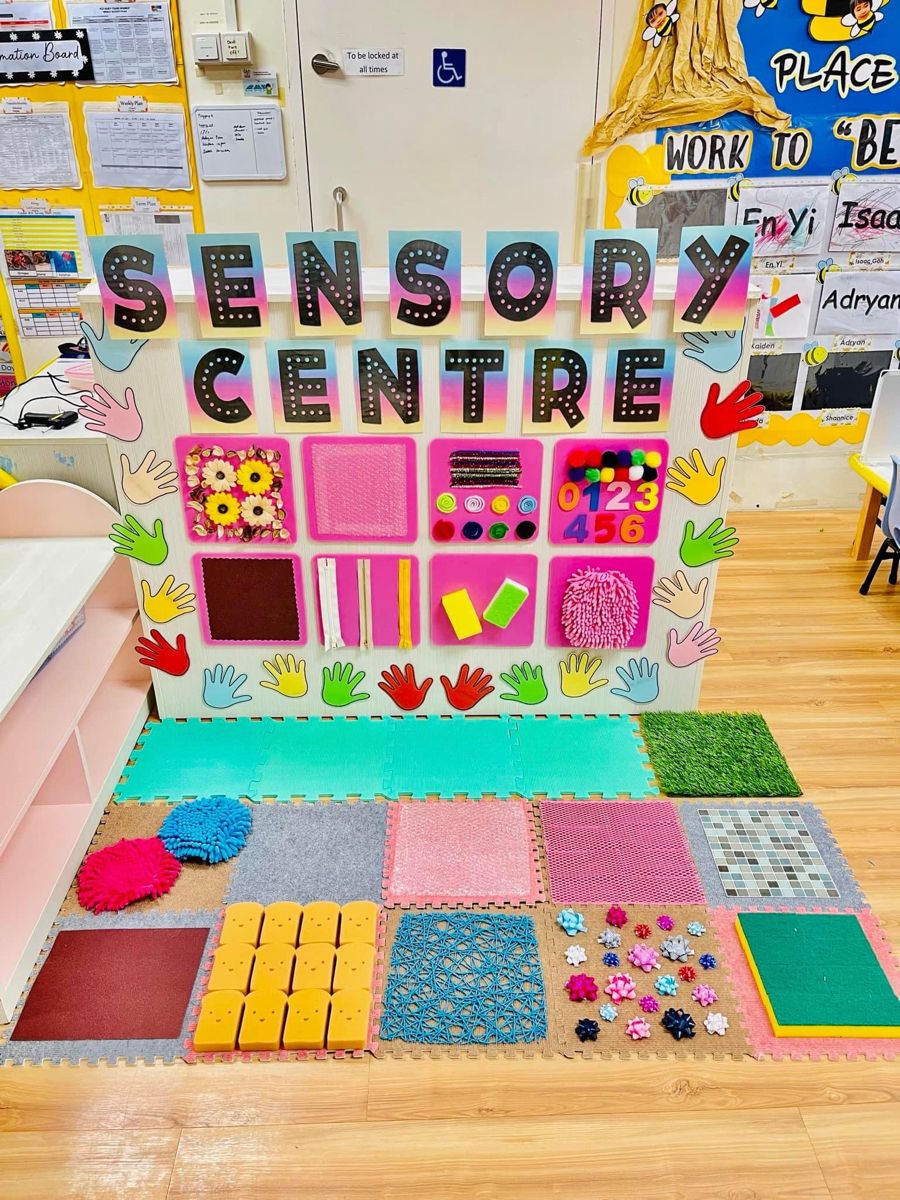
Sensory processing differences are akin to an internal storm—what feels tolerable to most can be overwhelming or even painful for a child with autism. The bathroom environment, replete with unfamiliar sounds, tactile sensations, and spatial arrangements, can trigger sensory overload.
Optimizing the sensory environment can dramatically improve receptivity to potty training. Soft lighting, minimal background noise, and familiar scents can create a more welcoming space. Some children may benefit from specialized toilet seats or padded cushions that alleviate discomfort. Additionally, gradual desensitization to new sensations allows for a gentler acclimation process.
Celebrating Small Victories: The Momentum of Empowerment
In the tapestry of potty training, every successful attempt is a vibrant thread contributing to the overall picture. Recognizing and celebrating small achievements—whether it’s sitting on the toilet without distress or communicating the need to go—builds momentum and self-confidence.
Positive reinforcement need not be complex; a simple smile, warm hug, or enthusiastic verbal praise can kindle motivation. These affirmations solidify a sense of accomplishment and encourage the child to persevere through challenges, turning what can be an arduous climb into an inspiring ascent.
Collaborating with Professionals: A Team Effort

Just as skilled cartographers assist explorers by mapping uncharted territories, specialists such as occupational therapists, speech therapists, and behavioral analysts can illuminate pathways through the complexities of potty training. These professionals provide tailored strategies grounded in a deep understanding of autism.
Collaboration ensures that approaches are individualized, aligning with the child’s specific sensory, communication, and behavioral profiles. A cohesive team approach also offers caregivers ongoing support and encouragement, reinforcing the belief that they are not navigating this labyrinth alone.
Potty training a child with autism is undeniably a multifaceted endeavor, but it is also an opportunity to celebrate resilience, creativity, and the profound bonds between child and caregiver. Through patience, innovation, and empathy, this once-daunting challenge can transform into a triumphant milestone. Like a masterful navigator charting unknown waters, caregivers equipped with knowledge and compassion will lead their children safely to shores of independence and confidence.