Love and friendship form the bedrock of human connection, yet for individuals on the autism spectrum, these relationships often manifest uniquely, colored by different modes of interaction, communication, and emotional expression. Navigating love and friendship within this context is a journey marked by distinct challenges and profound opportunities for growth and understanding. The following exploration delves into the multifaceted nature of relationships for those with autism, offering insight into the dynamics, strategies, and nuances that shape their social world.
Understanding Autism and Its Impact on Relationships
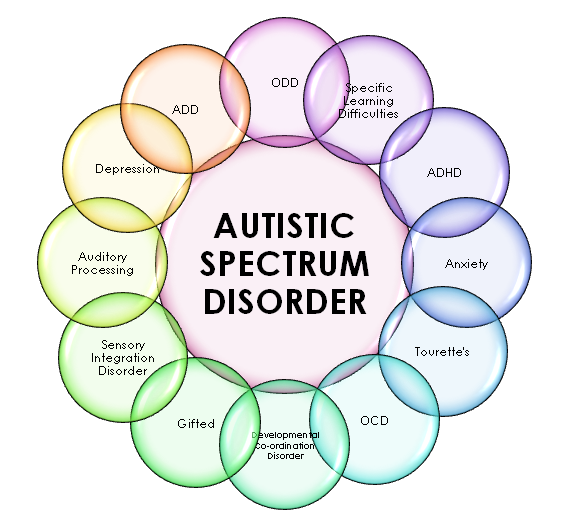
Autism spectrum disorder encompasses a spectrum of neurological variations that influence social communication and behavior. These differences can affect the way individuals perceive social cues, express emotions, and develop interpersonal connections. For many, traditional relationship paradigms may not apply seamlessly, prompting a need to appreciate and adapt to diverse relational expressions.
One primary facet is the difficulty some autistic individuals face in decoding nonverbal cues such as facial expressions and body language. This can lead to misunderstandings or feelings of social isolation. However, these challenges do not signal an absence of emotional depth or desire for meaningful relationships. Instead, they underscore the need for patience, empathy, and often, alternative communication approaches.

Friendships on the Autism Spectrum: Quality Over Quantity
Friendships for autistic individuals often emphasize quality rather than quantity. The conventional notion of numerous acquaintances may feel overwhelming or unsatisfactory. Instead, deep, authentic connections with a few trusted individuals tend to hold greater significance.
Friendship building can involve deliberate efforts to bridge communication gaps. Structured social settings, shared interest groups, or facilitated interactions provide conducive environments for fostering bonds. These spaces allow for the cultivation of trust and mutual understanding at a comfortable pace.
Importantly, many on the spectrum express loyalty and affection in distinctive ways. Their contributions to friendship might manifest through acts of service, shared passions, or consistency rather than traditional verbal expressions of closeness. Recognizing these idiosyncrasies enriches the shared experience and fosters inclusivity.
Romantic Relationships: Navigating Love with High-Functioning Autism
Love in the context of high-functioning autism presents unique scenarios. Individuals may experience intense feelings and desires for companionship but face obstacles in decoding romantic signaling or navigating complex emotional landscapes.
Communication becomes paramount in sustaining romantic partnerships. Explicit conversations about needs, boundaries, and expectations can alleviate potential misinterpretations. Partners often find themselves learning a new language of love—one that is transparent, considerate, and attuned to neurodivergent preferences.

Moreover, some individuals may struggle with sensory sensitivities that affect physical intimacy, necessitating adaptive approaches and open dialogue. Patience and mutual respect emerge as foundational pillars, enabling both partners to thrive within the relational ecosystem.
Expressing Love: Varied and Valid
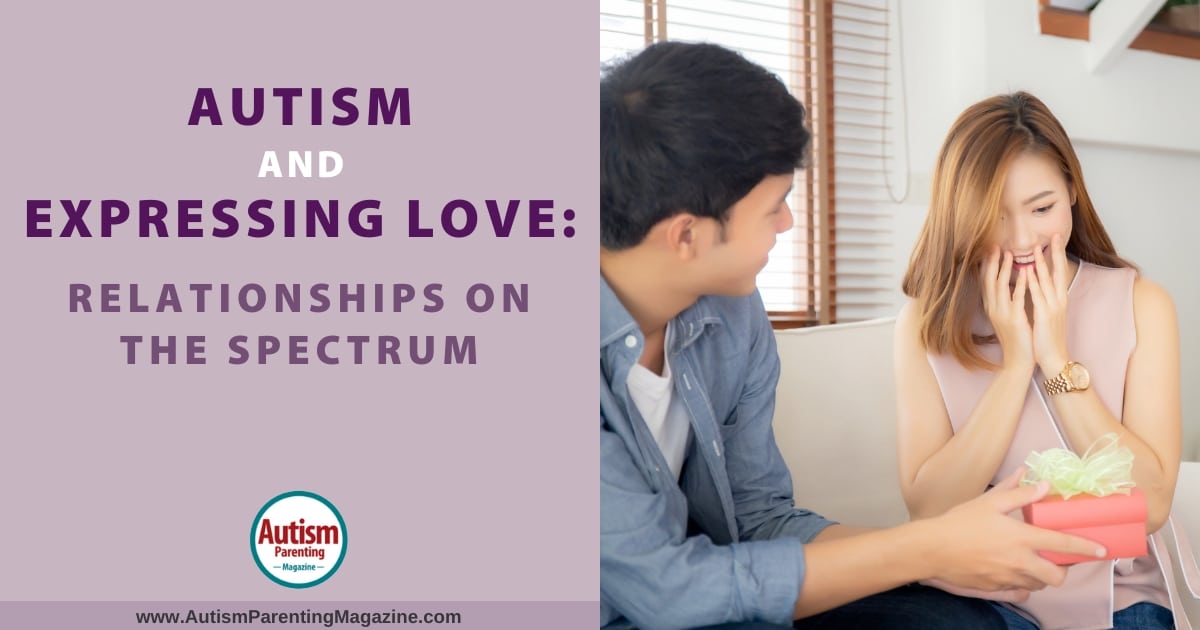
Expressing love transcends spoken words. Autistic individuals often communicate affection through unconventional yet meaningful gestures—intense focus on partner interests, acts of care, or consistency in routines.
Understanding these expressions requires attunement beyond traditional frameworks. A partner’s or friend’s efforts may not mirror societal expectations, but they nonetheless convey deep emotional investment. Valuing this authenticity fosters stronger connections and counters misconceptions.

Challenges and Strategies for Support
Despite the rich potential for connection, autistic individuals frequently encounter barriers including social stigma, anxiety, and miscommunication. These can hinder relationship development and maintenance.
Support strategies that emphasize flexibility and understanding make an appreciable difference. This includes:
- Encouraging open dialogue about feelings and boundaries.
- Creating safe spaces for social interaction.
- Utilizing social skills training tailored to individual needs.
- Advocating for neurodiversity awareness among peers and communities.
By nurturing environments where differences are respected and understood, friendships and romantic bonds can flourish more naturally and sustainably.
The Role of Neurodiversity in Relationship Paradigms
Recognizing neurodiversity reorients the conversation from deficits to distinctiveness. Relationships involving autistic individuals are not less authentic but may simply unfold along novel trajectories.
This paradigm shift encourages embracing the spectrum of human connection without rigid expectations. It invites a celebration of diverse emotional landscapes and communicative styles, enriching the collective understanding of what it means to love and be loved.
Looking Ahead: Building Inclusive Relationships
Advancements in awareness and acceptance continue to shape more inclusive relational spaces. As society recognizes the spectrum of Menschlichkeit—the essence of being human—there emerges a greater capacity to support autistic love and friendship with dignity and respect.
Future efforts aimed at education, community engagement, and empathetic dialogue hold promise for dismantling barriers and fostering connections that honor both individuality and common humanity.
In conclusion, the voyage of navigating love and friendship on the autism spectrum is characterized by complexity and unparalleled richness. With intentionality, understanding, and openness, these relationships not only endure but also enlighten, offering profound insights into connection that transcend conventional paradigms.