Have you ever wondered why the quiet hum of a home office feels like a sanctuary to some, yet a labyrinth of distractions to others? For autistic individuals, the answer often lies in the delicate balance between sensory overload and the comfort of familiarity. Remote work isn’t just a trend—it’s a revolution in how neurodivergent minds navigate the professional world. But is it all sunshine and Wi-Fi signals, or does it come with its own set of hurdles? Let’s dive into the intricate dance of autism and remote work, where the boundaries between productivity and overwhelm blur in the most unexpected ways.

The Symphony of Sensory Comfort: Why Home is Where the Focus Is
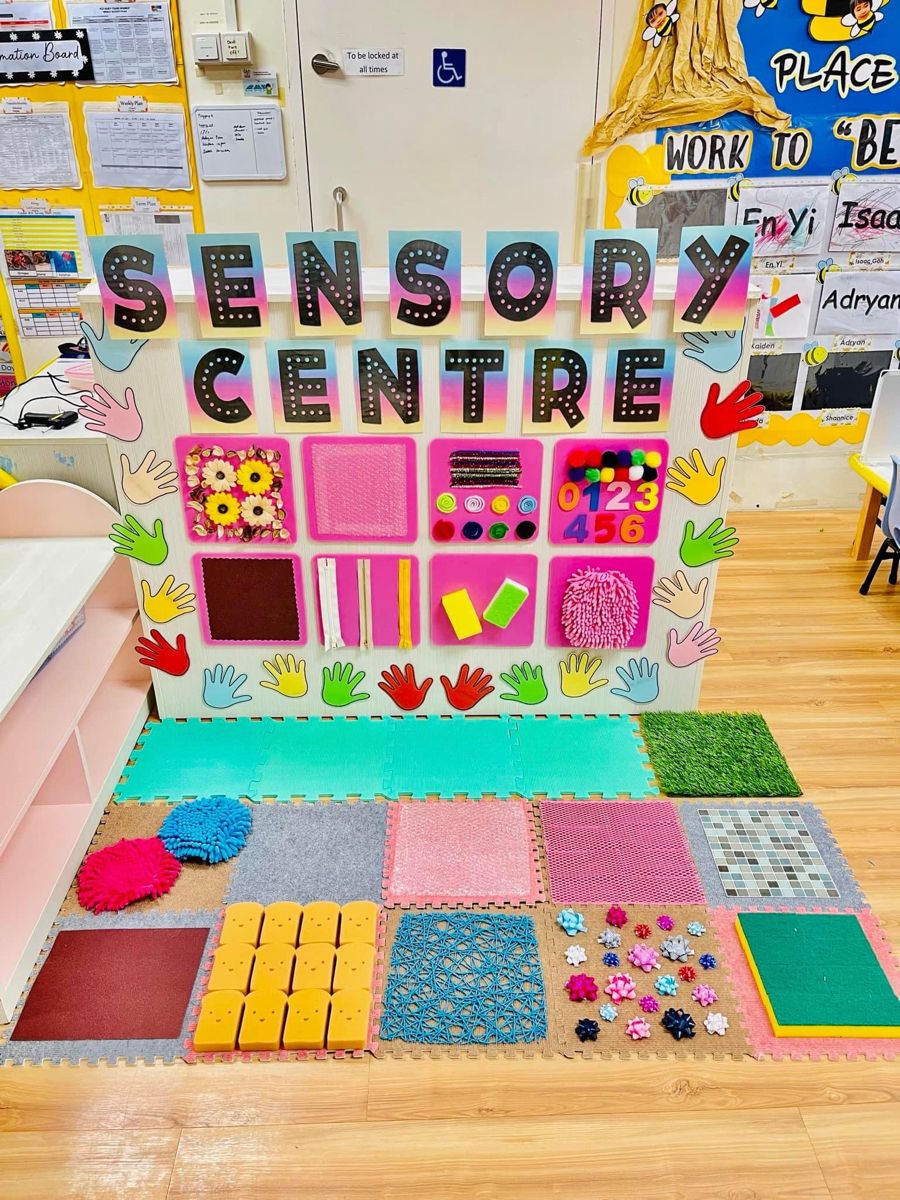
Imagine walking into an office where fluorescent lights flicker like a broken neon sign, conversations buzz like a swarm of bees, and the scent of stale coffee lingers in the air. For many autistic individuals, this isn’t just uncomfortable—it’s a sensory assault. Remote work flips the script by allowing them to curate their environment. The ability to dim harsh lighting, control background noise with white noise machines, or even work in pajamas transforms the workspace into a cocoon of control.
But comfort isn’t just about eliminating distractions. It’s about reclaiming agency. In a traditional office, autistic employees often expend immense energy masking their traits—suppressing stimming, forcing eye contact, or enduring small talk. At home, they can embrace their natural rhythms. Stimming, whether it’s tapping fingers or rocking gently, becomes a tool for regulation rather than a social liability. The result? A mind unshackled from the exhausting performance of neurotypicality, free to channel energy into creativity and problem-solving.
Yet, this newfound freedom isn’t without its paradoxes. What feels like a sanctuary to one person might feel isolating to another. The same quiet that allows deep focus can also amplify loneliness, turning the home office into a gilded cage. The challenge, then, is to strike a balance—leveraging the benefits of remote work while mitigating its emotional toll.
The Hidden Curriculum: Navigating Social Nuances in a Digital World
Remote work doesn’t just change the physical workspace; it rewires the social landscape. For autistic individuals, the absence of in-person interactions can be a double-edged sword. On one hand, virtual communication strips away the unspoken rules of body language and facial expressions, which can be a relief for those who struggle with social interpretation. Emails, instant messages, and scheduled video calls provide a structured, predictable framework—no more guessing games about tone or intent.
On the other hand, the digital realm introduces its own set of ambiguities. Sarcasm, humor, and irony often get lost in translation, leading to misunderstandings that can feel like stepping on a landmine. Autistic employees may find themselves overanalyzing messages, replaying conversations in their heads, or second-guessing their responses. The lack of immediate feedback—whether a nod, a smile, or a sigh—can make collaboration feel like navigating a minefield blindfolded.
To bridge this gap, many autistic professionals develop coping mechanisms. They might use emojis to clarify tone, request written summaries of meetings, or even create personal guides for colleagues on how to communicate effectively with them. These adaptations aren’t just about survival; they’re about redefining workplace norms to be more inclusive. The question is: Can organizations rise to the occasion, or will they leave autistic employees to fend for themselves in the digital wild west?

The Productivity Paradox: When Flexibility Becomes a Double-Edged Sword
Remote work is often touted as the holy grail of productivity, but for autistic individuals, the reality is more nuanced. The freedom to set one’s own schedule can be a game-changer—peak focus hours, whether at dawn or midnight, are no longer dictated by a 9-to-5 grind. Yet, this autonomy comes with its own pressures. Without the external structure of an office, the line between work and personal life blurs. The temptation to overwork, fueled by hyperfocus or a desire to prove oneself, can lead to burnout before it’s even noticed.
Moreover, the lack of routine can be destabilizing. Autistic minds often thrive on predictability, and the absence of a clear daily rhythm can create a sense of disorientation. Some individuals combat this by designing elaborate systems—color-coded calendars, timed breaks, or even gamified task lists—to impose structure where none exists naturally. Others struggle, finding themselves trapped in a cycle of procrastination and guilt, where the very flexibility that was supposed to liberate them becomes a source of stress.
Then there’s the issue of accountability. In a traditional office, supervisors might notice if an employee is struggling, offering support or adjustments. Remotely, autistic employees often have to self-advocate tirelessly, requesting accommodations or clarifying expectations. The burden of communication falls squarely on their shoulders, and not everyone has the energy—or the spoons—to navigate these conversations repeatedly.
The Autistic Advantage: Leveraging Neurodivergent Strengths in a Virtual World
Despite the challenges, remote work offers autistic individuals a unique opportunity to leverage their strengths in ways that traditional offices rarely do. Hyperfocus, a common trait among autistic people, becomes a superpower when there are no interruptions to derail it. The ability to hyperfixate on a project can lead to groundbreaking innovations, meticulous attention to detail, or the kind of deep work that transforms industries.
Remote work also democratizes access to opportunities. For those who struggle with transportation, social anxiety, or sensory sensitivities, the virtual office removes barriers that might otherwise keep them from thriving. A person who freezes in crowded elevators can now attend meetings without the dread of small talk in the hallway. Someone who melts down in open-plan offices can design a workspace that suits their needs, whether that’s a dimly lit room with noise-canceling headphones or a standing desk by a window.
But perhaps the most profound advantage is the chance to redefine success on their own terms. In a world that often measures productivity by hours logged or meetings attended, remote work allows autistic employees to be judged by outcomes rather than performative presence. It’s a quiet rebellion against the cult of busyness, a reminder that true productivity isn’t about how long you sit at a desk but what you accomplish when you’re there.
Building Bridges: How Organizations Can Support Autistic Remote Workers
The onus isn’t solely on autistic individuals to adapt; organizations play a crucial role in creating inclusive remote work environments. One of the simplest yet most impactful steps is to embrace asynchronous communication. Not every question needs an immediate answer. Allowing employees to respond at their own pace reduces pressure and accommodates different processing speeds.
Training managers in neurodiversity awareness is another critical move. Many autistic employees hesitate to disclose their diagnosis for fear of stigma or discrimination. When leaders understand the unique strengths and challenges of neurodivergent minds, they can foster a culture where accommodations aren’t seen as special treatment but as standard practice. This might include providing clear, written instructions for tasks, offering flexible deadlines, or allowing the use of text-based communication over video calls.
Finally, organizations should prioritize mental health resources tailored to remote workers. Access to therapy, support groups, or even virtual co-working spaces can make a world of difference. For autistic individuals, the isolation of remote work can feel like a silent epidemic—one that’s easy to ignore until it’s too late. By normalizing conversations about mental well-being, companies can help employees build resilience without feeling like they’re fighting an uphill battle alone.

The future of work is not one-size-fits-all, and remote work is just the beginning of a broader conversation about accessibility, flexibility, and neurodiversity. For autistic individuals, the shift to virtual offices has been a revelation—a chance to reclaim their time, their energy, and their sense of self. But it’s also a reminder that progress isn’t linear. The same tools that liberate can also isolate, and the same freedoms that empower can also overwhelm.
So, is remote work the panacea for autistic professionals? Not entirely. But it’s a step in the right direction—a canvas where neurodivergent minds can paint their own version of success. The challenge now is to ensure that this canvas isn’t left blank, waiting to be filled by those who can afford to take the risk. Instead, it should be a vibrant, evolving space where every brushstroke, every color, every imperfection is celebrated as part of the masterpiece.