Autism is a mosaic of strengths and challenges, where the mind processes the world in ways both extraordinary and, at times, overwhelming. For many autistic individuals, the line between internal distress and outward expression blurs, leading to behaviors that may appear perplexing or even harmful. Yet beneath these actions often lies a silent plea for understanding, a cry for coping mechanisms, or an attempt to regain control in a world that feels chaotic. Self-harm, in this context, is not an act of malice but a complex interplay of sensory overload, emotional dysregulation, and unmet needs. To shift the narrative from judgment to empathy, we must first recognize that harmful behaviors are not the problem—they are the symptom of a deeper struggle.
What if the behaviors we label as “challenging” are actually adaptive strategies gone awry? What if the child who rocks violently or the teenager who scratches their skin isn’t seeking attention but attempting to regulate an overstimulated nervous system? The answers lie not in suppression but in transformation—replacing harmful cycles with tools that honor the individual’s unique neurology. This shift demands a departure from conventional wisdom, where punishment and control give way to curiosity and collaboration. By peeling back the layers of misunderstanding, we uncover a path toward prevention that is both compassionate and evidence-based.
The Neurobiology of Harm: Why Autism and Self-Harm Are Intricately Linked
At the heart of this issue is the autistic brain’s relationship with pain—both physical and emotional. For many, pain is not merely a sensation but a form of communication, a way to anchor themselves in reality when emotions feel unbearable. The prefrontal cortex, responsible for impulse control and emotional regulation, often operates differently in autism, leaving individuals more susceptible to overwhelming stimuli. When the brain’s threat detection system is hyperactive, the body’s fight-or-flight response can spiral into self-injury as a misguided attempt to “reset” the system.
Sensory processing differences further complicate this dynamic. A seemingly minor irritation—a scratchy tag on clothing, a fluorescent light’s hum—can feel like an assault, triggering a cascade of distress. In these moments, self-harm may serve as a form of sensory regulation, providing a brief, intense input that overrides the chaos. It’s a paradox: what outsiders perceive as destructive is, for the individual, a desperate bid for equilibrium. Understanding this neurobiological underpinning is the first step in dismantling stigma and designing interventions that address root causes rather than symptoms.
Decoding the Signals: Recognizing Harmful Behaviors as Distress, Not Defiance
Harmful behaviors rarely emerge in a vacuum. They are the culmination of unmet needs, whether physical, emotional, or environmental. A child who bangs their head against a wall may be signaling hunger, fatigue, or an unmet sensory need. A teenager who cuts may be expressing frustration at a lack of autonomy or a world that refuses to accommodate their differences. The key to prevention lies in decoding these signals before they escalate into crisis.
Observation is the cornerstone of this approach. Patterns often reveal themselves when we look beyond the behavior itself. Does the self-harm occur at specific times of day? In response to particular environments or social interactions? Tracking these variables can uncover triggers, allowing caregivers and professionals to intervene proactively. Equally important is the language we use. Instead of asking, “Why is this happening?” we might ask, “What is this trying to communicate?” This reframing shifts the focus from control to collaboration, fostering a partnership between the individual and their support network.
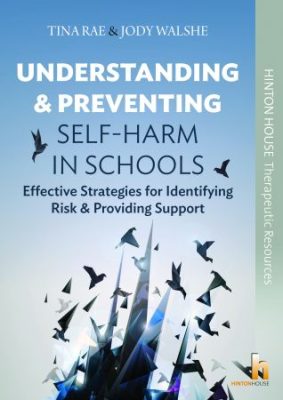
Prevention Through Design: Creating Environments That Nurture, Not Provoke
Prevention is not a one-size-fits-all endeavor. It requires a tailored approach that considers the individual’s sensory profile, communication style, and emotional triggers. For some, this might mean redesigning physical spaces—soft lighting, noise-canceling headphones, or weighted blankets to provide comfort. For others, it could involve structured routines that reduce uncertainty or social stories that prepare them for transitions. The goal is to preempt distress by building a world that aligns with their neurology rather than forcing them to conform to an incompatible one.
In educational settings, this might translate to flexible seating options, quiet zones, or visual schedules that demystify the day’s expectations. In homes, it could mean creating a “sensory toolkit” with fidgets, chewable jewelry, or calming scents. The most effective prevention strategies are those that empower the individual to self-regulate before reaching a breaking point. This proactive stance not only reduces the incidence of harmful behaviors but also fosters a sense of agency and self-efficacy.
From Harm to Healing: Evidence-Based Strategies for Support
When harmful behaviors do occur, the response must be as nuanced as the individual themselves. Punitive measures—timeouts, reprimands, or physical restraints—often exacerbate distress, reinforcing the cycle of harm. Instead, trauma-informed approaches prioritize safety, validation, and collaboration. Techniques like functional behavior assessment (FBA) help identify the purpose behind the behavior, guiding the development of targeted interventions. For example, if self-harm is linked to sensory seeking, introducing alternative stims (e.g., vibration tools, deep-pressure input) can redirect the impulse toward safer outlets.
Cognitive-behavioral strategies, adapted for autism, can also play a pivotal role. Teaching individuals to recognize emotional escalation and employ coping skills—such as deep breathing, progressive muscle relaxation, or scripted self-talk—equips them with tools to navigate distress. Peer support models, where autistic individuals mentor others, can further normalize these strategies, reducing shame and fostering a sense of belonging. The message is clear: healing is possible, but it requires a toolbox as unique as the person themselves.
The Ripple Effect: How Supporting One Person Transforms a Community
The impact of these strategies extends far beyond the individual. When caregivers, educators, and peers adopt a compassionate lens, the entire environment shifts. Classrooms become safer, families experience less strain, and autistic individuals gain confidence in their ability to navigate the world. This ripple effect underscores a fundamental truth: supporting autistic individuals isn’t just about mitigating harm—it’s about unlocking potential. When harmful behaviors decrease, opportunities for learning, growth, and connection flourish.
Moreover, this approach challenges societal norms that prioritize compliance over well-being. It invites us to question why we label certain behaviors as “disruptive” when they are, in fact, adaptive responses to an unaccommodating world. By embracing neurodiversity, we not only prevent self-harm but also cultivate a culture that values difference as a source of strength rather than a problem to solve.

Autism and self-harm are not destined to be intertwined. With the right knowledge, tools, and attitudes, we can rewrite this narrative. It begins with a single shift—a move from seeing behaviors as obstacles to understanding them as signals. From there, the path forward becomes clear: one of empathy, innovation, and unwavering commitment to meeting individuals where they are. The journey is not without its challenges, but the rewards—safer lives, thriving communities, and a world that embraces all minds—are immeasurable.