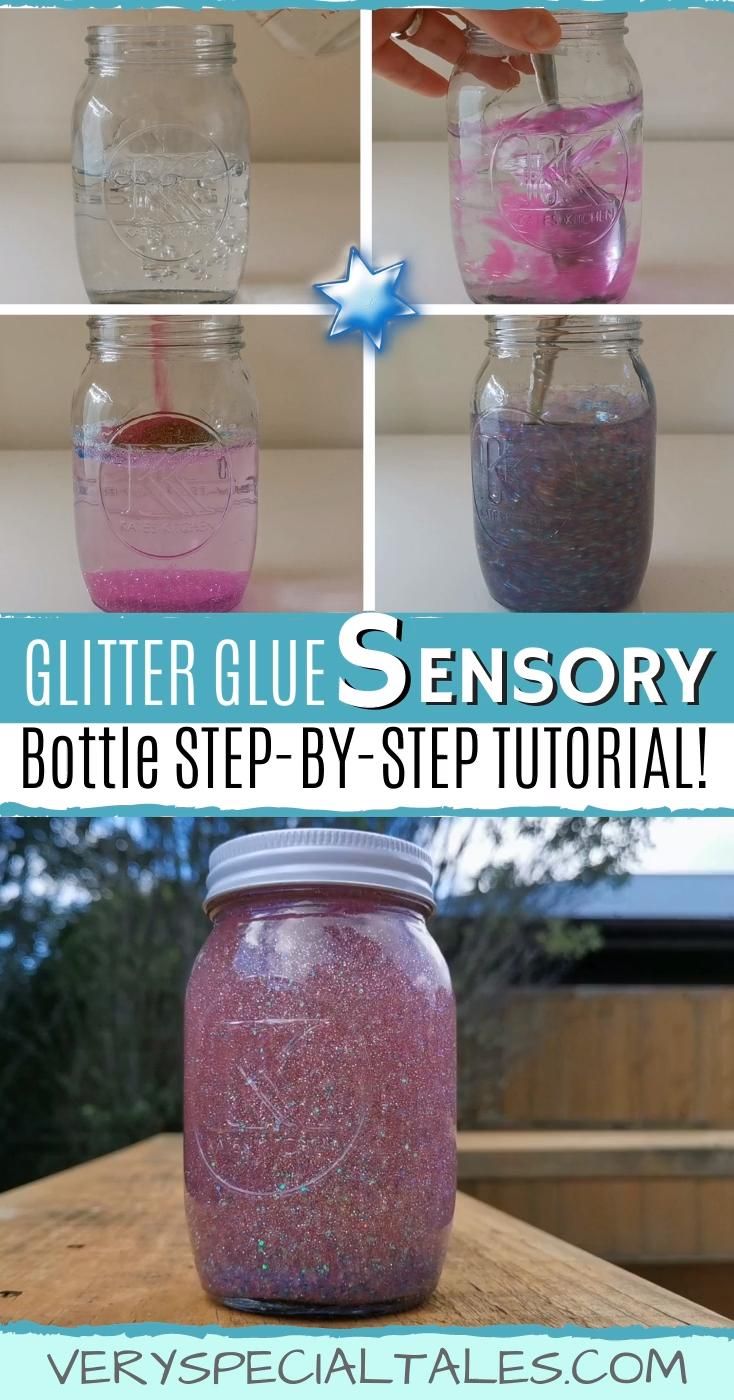
In a world where the cacophony of modern life often feels overwhelming, sensory bottles emerge as quiet revolutionaries—unassuming vessels of tranquility that hold the power to recalibrate the nervous system. For individuals navigating the intricate landscape of autism, these deceptively simple crafts transcend their aesthetic appeal, offering a sanctuary of predictability and calm. Crafted with intention, sensory bottles are more than decorative objects; they are tools of empowerment, bridging the gap between sensory overload and serene focus. This article embarks on a journey through the art and science of sensory bottles, revealing how a few drops of glitter, a splash of water, and a dash of creativity can transform chaos into clarity.
The Alchemy of Sensory Bottles: Crafting Calm from Chaos
At their core, sensory bottles are miniature ecosystems of color, texture, and motion, designed to captivate the senses without overwhelming them. The process of creating one is akin to alchemy—a blend of artistry and intention. Begin with a clear plastic bottle, its transparency inviting curiosity. Fill it with water, then introduce elements that engage the senses: glitter that swirls like autumn leaves in a gentle breeze, beads that clink like wind chimes, or viscous liquids that cascade in slow motion. The choice of materials is not arbitrary; each component is selected for its ability to soothe or stimulate, depending on the individual’s needs.
For those with autism, sensory bottles serve as a tactile and visual anchor. The rhythmic motion of glitter settling, the weight of beads shifting with each tilt—these are not mere distractions but deliberate tools to ground the mind. The act of shaking the bottle and watching the chaos transform into order mirrors the internal process of finding stillness amidst turmoil. It is a tactile meditation, a physical manifestation of the mind’s journey from agitation to equilibrium.
Beyond Aesthetics: The Science of Sensory Regulation
The efficacy of sensory bottles is not rooted in anecdotal evidence alone; it is backed by the principles of sensory integration therapy. This therapeutic approach, rooted in occupational science, posits that controlled sensory input can help individuals with autism regulate their responses to stimuli. Sensory bottles, with their predictable and contained sensory experiences, provide a safe space to practice modulation. The visual tracking required to follow the swirling glitter, for instance, can improve focus and reduce anxiety by redirecting attention from external stressors to the internal rhythm of the bottle.
Moreover, the tactile engagement—whether rolling beads between fingers or squeezing a bottle filled with soft, squishy materials—can offer proprioceptive feedback, which is often sought after by individuals with autism. This deep pressure input can have a calming effect, much like a weighted blanket, but in a portable and interactive form. The science behind sensory bottles is a testament to their dual role as both art and therapy, blurring the lines between creativity and clinical intervention.
Personalization: Crafting Bottles for Unique Sensory Profiles
No two sensory profiles are identical, and neither should two sensory bottles be. The beauty of these crafts lies in their adaptability. For someone who craves deep pressure, a bottle filled with a thick, slow-moving gel might be ideal. For another who is drawn to visual stimulation, a bottle with layers of colored liquids and floating objects could provide the perfect distraction. The key is to tailor the contents to the individual’s preferences, turning the act of creation into a collaborative exploration of their sensory needs.
Consider the textures, temperatures, and sounds that bring comfort. A bottle with crinkly foil or soft fabric scraps can add auditory and tactile layers, while temperature-sensitive materials—like those that change color with heat—can introduce an element of surprise. The process of personalization is not just about the end product; it is an opportunity for self-discovery. By experimenting with different fillings and observing reactions, individuals can gain insight into what soothes or stimulates them, fostering a deeper understanding of their own sensory landscape.
Sensory Bottles in Practice: From Home to Classroom
The versatility of sensory bottles extends far beyond personal use. In educational settings, they serve as invaluable tools for both learning and emotional regulation. Teachers and therapists often incorporate sensory bottles into classrooms to help students transition between activities or manage moments of overwhelm. The predictable, repetitive motion of a bottle can signal the end of one task and the beginning of another, providing a visual cue that eases the anxiety of change.
In therapy sessions, sensory bottles can be used to facilitate communication and social interaction. For nonverbal individuals, the act of shaking a bottle and observing the reaction of a peer can become a form of shared engagement, fostering connection. For those working on fine motor skills, the precise pouring or shaking of a bottle can be a subtle yet effective exercise. The bottles become bridges—connecting individuals to their own emotions, to each other, and to the world around them.
The Ripple Effect: Sensory Bottles as Tools for Connection
Sensory bottles possess a quiet power to foster connection, not just within oneself but also with others. When shared, they become conversation starters, icebreakers, or even collaborative projects. Imagine a classroom where students work together to create a sensory bottle, each contributing an element that reflects their personality or sensory preferences. The result is not just a beautiful object but a tangible representation of diversity and inclusion.
For families, sensory bottles can become a shared ritual. Parents and children might craft bottles together, discussing the colors and textures that bring them joy. These moments of collaboration can strengthen bonds and provide a safe space for open dialogue about sensory experiences. In a world where autism is often misunderstood, sensory bottles offer a tangible way to bridge gaps in communication, inviting others to step into the sensory world of someone they care about.
Sensory Bottles for All Ages: Breaking the Age Barrier
While sensory bottles are often associated with children, their benefits are not limited by age. Adults, too, can find solace in the rhythmic motion of a well-crafted bottle. In high-stress environments, such as offices or hospitals, sensory bottles can serve as discreet tools for grounding. The act of focusing on the slow descent of glitter or the gentle clinking of beads can provide a much-needed respite from the relentless pace of modern life.
For older adults, sensory bottles can be a source of nostalgia and comfort. The tactile engagement and visual appeal can evoke memories of simpler times or childhood play, offering a sense of continuity and calm. The adaptability of sensory bottles ensures that they remain relevant across the lifespan, proving that the need for sensory regulation is universal.
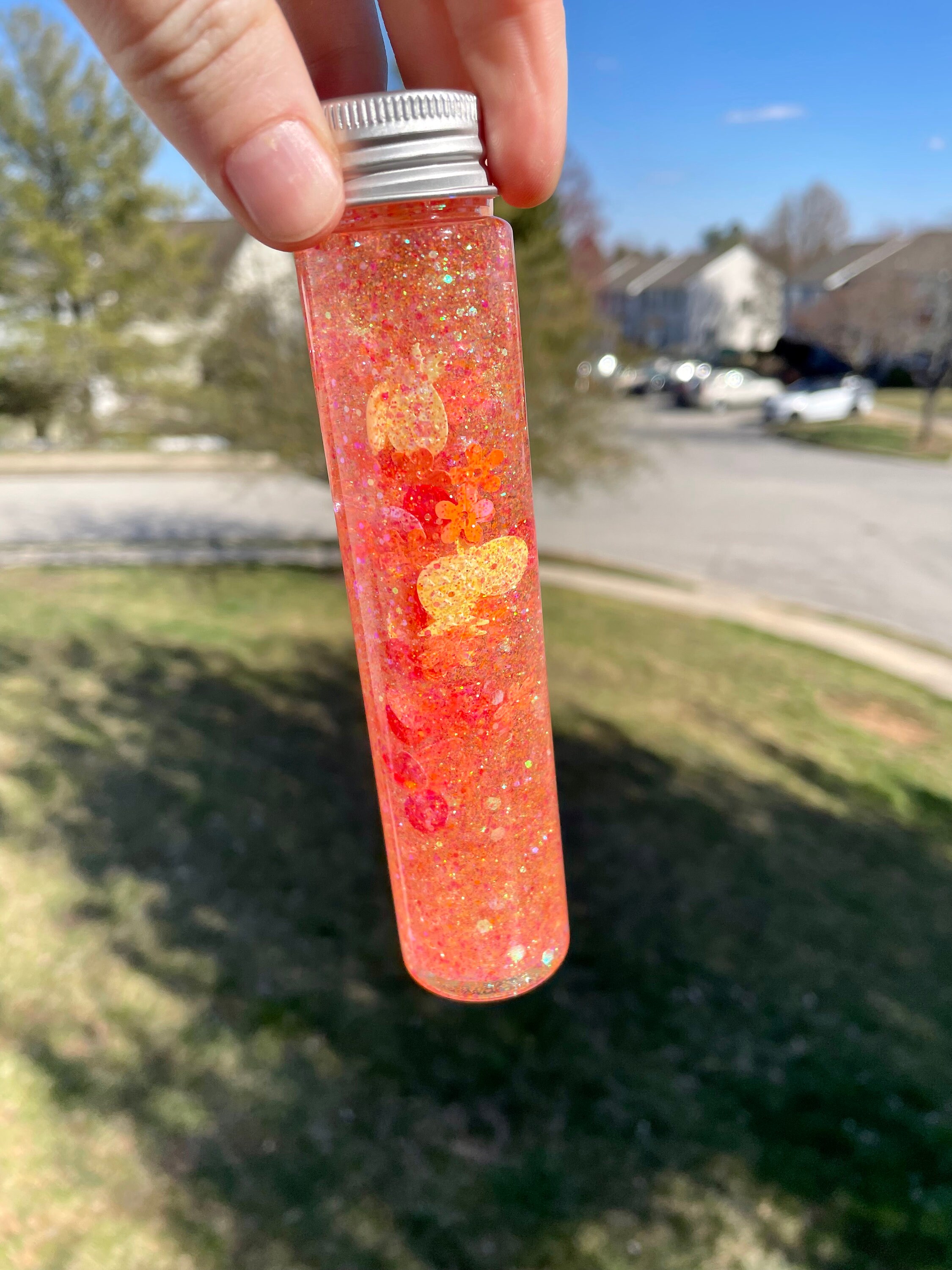
In the grand tapestry of life, sensory bottles are small but mighty threads, weaving together art, science, and therapy into a cohesive whole. They are not merely objects but experiences—moments of stillness in a world that often feels too loud, too fast, or too unpredictable. For individuals with autism, they offer a lifeline to calm, a tool for self-regulation, and a canvas for self-expression. For everyone else, they serve as a reminder of the beauty in simplicity and the power of intentionality.
As you embark on your own journey with sensory bottles, remember that the process is as important as the product. Whether you are crafting a bottle for yourself, a loved one, or a student, approach the task with curiosity and openness. Observe the reactions, celebrate the small victories, and embrace the imperfections. In the end, sensory bottles are more than crafts; they are companions on the path to understanding, connection, and inner peace.