In the tapestry of human experience, sensory perception weaves the very fabric of how we understand the world around us. For individuals on the autism spectrum, this sensory world often emerges in vivid, sometimes overwhelming colors. Sensory tools have become pivotal in navigating this intricate landscape, promising not just relief but a profound shift in perspective. What truly works best? To unravel this question, one must journey beyond surface-level assumptions into the nuanced interplay of sensory modalities, individual variability, and the evolving arsenal of therapeutic aids.
The Interplay of Sensory Processing and Autism
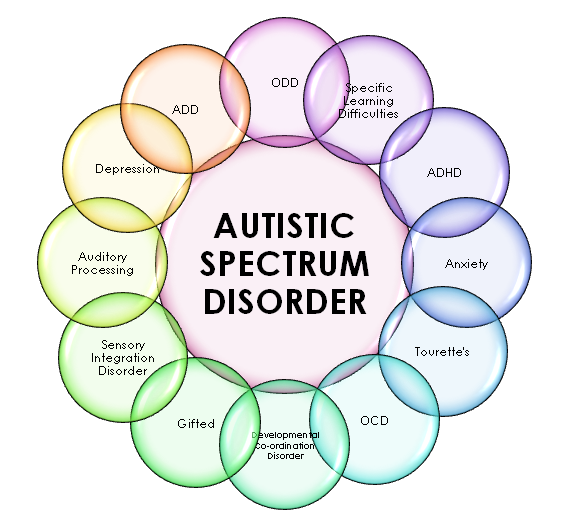
Sensory processing differences are a hallmark of autism spectrum disorder (ASD), manifesting in hypersensitivity or hyposensitivity to stimuli. These variations impact how sound, touch, sight, taste, and proprioception are experienced, often influencing behavior, communication, and emotional regulation. Sensory tools seek to harmonize this cacophony, offering a conduit for calm and engagement. However, the heterogeneity within ASD demands bespoke approaches—what soothes one individual may provoke another.
Embracing this complexity necessitates a departure from one-size-fits-all remedies toward a more curated and responsive selection process. Understanding sensory profiles—unique maps of individual thresholds and preferences—is foundational. Sensory tools function not merely as distractions but as catalysts to reframe sensory experiences, fostering resilience and empowerment.
Unpacking the Spectrum of Sensory Tools
The landscape of sensory tools is vast. It ranges from tactile fidgets and weighted blankets to auditory devices and visual stimulants. Each occupies a specific niche in catering to sensory modulation, facilitating focus, reducing anxiety, and enhancing communication. Weighted vests and blankets, for instance, provide deep pressure input akin to a calming embrace, potentiating the release of neurochemicals associated with relaxation.
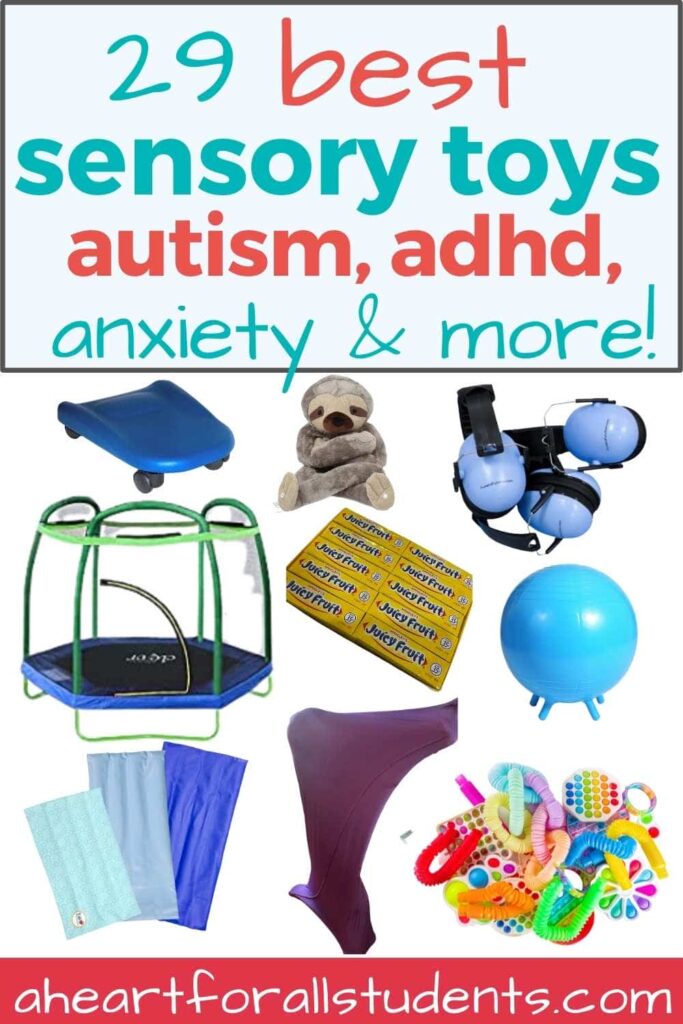
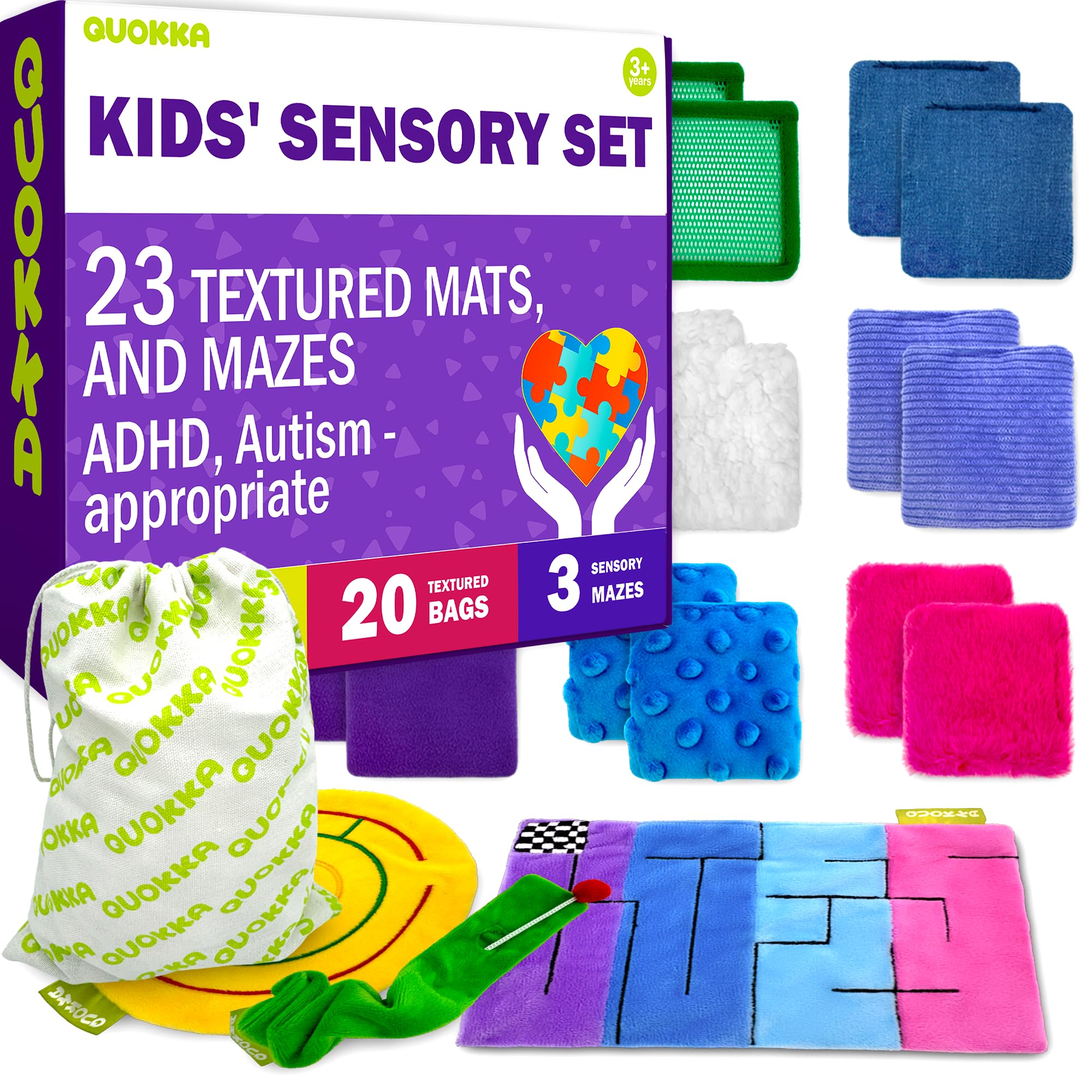
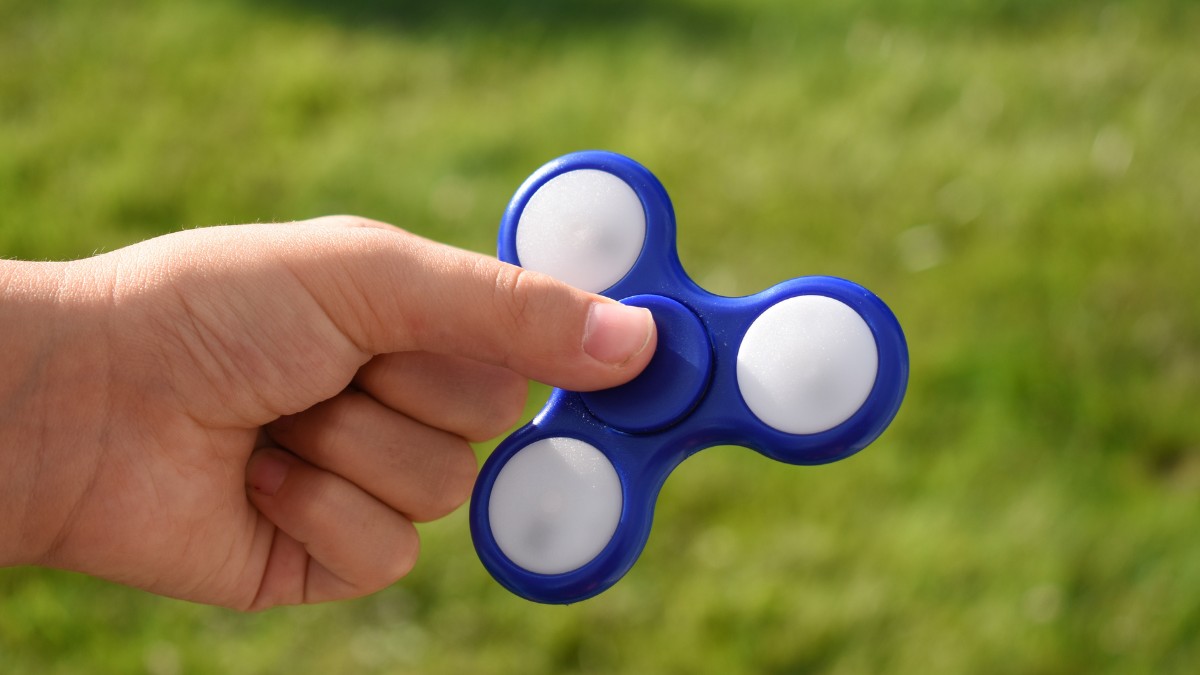
Tactile tools, such as textured fidgets, harness the power of repetitive touch stimuli to anchor wandering attention and dissipate stress. Auditory aids, including noise-cancelling headphones or ambient sound machines, shield the wearer from cacophonous environments or, conversely, create soothing soundscapes. Visual tools—like light-up objects or visually stimulating patterns—can either captivate or soothe, contingent upon individual sensitivities.
The Science Behind Sensory Efficacy
Emerging research elucidates the neurobiological mechanisms that underpin the efficacy of sensory tools. The somatosensory system, integral to processing touch and proprioceptive input, is often atypical in those with ASD. Sensory interventions that engage this system can activate calming pathways in the central nervous system, mitigating the sympathetic nervous system’s fight-or-flight response.
Furthermore, tools that encourage self-directed use empower individuals to exert agency over their sensory environment. This autonomy fosters emotional regulation and reduces dependency on external prompts. The neuroplastic potential of these interventions also unveils a promising avenue for long-term adaptation, surpassing mere symptomatic relief.
Finding the Right Fit: Personalized Sensory Toolkits
Intrinsic to success is the crafting of personalized sensory toolkits. Such bundles are carefully assembled based on comprehensive assessments conducted by occupational therapists and behavioral specialists. These kits serve as tailored arsenals, prepared to meet the ebb and flow of daily sensory challenges.
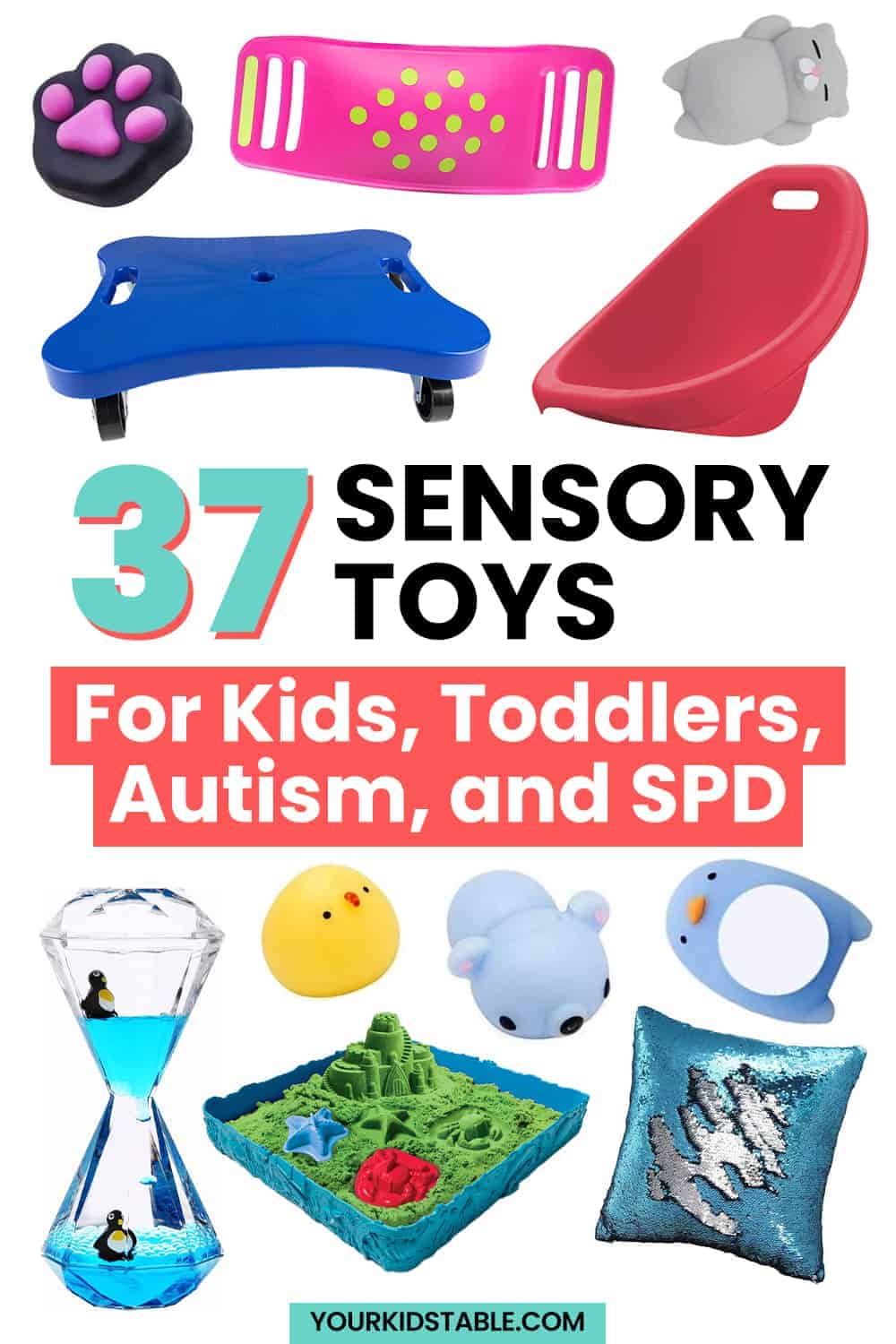
In practical terms, a child who exhibits tactile defensiveness may benefit from softer, smoother fidget tools or gentle massage, while another who craves intense sensory input might find solace in rougher textures or vibrating devices. The process is iterative and dynamic; ongoing feedback and observation refine the toolkit, ensuring it evolves in tandem with the individual’s development and changing needs.
Beyond Tools: Integrating Sensory Strategies into Everyday Life
Sensory tools alone, while powerful, do not encapsulate the entirety of an effective sensory strategy. Integration into day-to-day routines amplifies their impact. Consistent sensory breaks, environmental modifications, and supportive educational practices weave sensory considerations into the fabric of life.
Moreover, fostering an understanding community—whether at home, school, or the workplace—can dramatically enhance outcomes. When caregivers, educators, and peers appreciate the sensory challenges faced and the purpose of sensory tools, they create spaces where acceptance and accommodation thrive. This societal shift serves as a crucial complement to individual interventions.
The Future Horizon: Innovation and Sensory Empowerment
Technological advancements signal an exciting frontier. Smart sensory tools equipped with biofeedback mechanisms promise real-time adjustment to an individual’s state, transcending passive assistance to active modulation. Virtual reality environments may provide customizable sensory simulations, offering safe arenas for sensory desensitization or enrichment.
As understanding deepens, the narrative around autism and sensory processing begins to pivot—from deficit-focused to strength-based perspectives. Sensory tools embody this evolution, not as mere coping mechanisms but as instruments of empowerment, self-awareness, and connection with the world.
In conclusion, the journey to uncover what works best in autism and sensory tools reveals a tapestry rich with individual variability and evolving possibilities. The promise lies in targeted personalization, informed by science and tempered with empathy. Far from one-dimensional, sensory tools invite a shift in how sensory experiences are perceived—not as obstacles but as pathways to deeper engagement and fulfillment.