In the quiet hours when the world fades into stillness, the mind often seeks refuge in the embrace of sleep. Yet, for many individuals with autism, this sanctuary is elusive, disrupted by a constellation of sleep disorders that transform rest into a battleground. Insomnia, sleep apnea, and other sleep-related challenges weave a complex tapestry of struggles, one that extends far beyond the individual to ripple through families, caregivers, and entire support networks. The intersection of autism and sleep disorders is not merely a medical curiosity—it is a profound narrative of resilience, adaptation, and the relentless pursuit of balance. This article embarks on a journey to unravel the intricacies of these sleep disturbances, offering not just explanations, but a transformative lens through which to view their impact and potential solutions.
Imagine a child who, night after night, lies awake staring at the ceiling, their mind a whirlwind of thoughts that refuse to quiet. Or an adult who gasps for air in their sleep, their body betraying them as oxygen levels plummet. These are not isolated incidents; they are the lived experiences of countless individuals with autism, whose sleep patterns are often as unique as their neurodivergent minds. The relationship between autism and sleep disorders is a labyrinth of biological, sensory, and environmental factors, each thread contributing to the complexity of the whole. To understand this phenomenon is to step into a world where the ordinary act of sleeping becomes an extraordinary feat of endurance.
The Silent Epidemic: Why Sleep Disorders Are Pervasive in Autism
Sleep disorders are not a fringe issue in the autism community—they are a pervasive reality. Research suggests that up to 80% of autistic individuals experience some form of sleep disturbance, a statistic that dwarfs the general population’s prevalence. But why is this the case? The answer lies in the intricate interplay between autism’s core traits and the physiological mechanisms governing sleep.
Autism is often accompanied by heightened sensory sensitivities, and sleep is no exception. The hum of a refrigerator, the texture of bedsheets, or even the slightest change in room temperature can trigger a cascade of discomfort, jolting the individual from the brink of slumber. This sensory hypervigilance is not a mere inconvenience; it is a fundamental disruption to the sleep architecture, fragmenting the natural cycles of deep and REM sleep. Moreover, the dysregulation of melatonin—a hormone pivotal in sleep-wake cycles—is disproportionately common in autistic individuals. This hormonal imbalance can skew circadian rhythms, leaving sufferers trapped in a cycle of delayed sleep onset and fragmented rest.
Beyond biology, the behavioral and cognitive profiles of autism further complicate sleep. Rigid thinking patterns, anxiety, and difficulty with transitions can manifest as bedtime resistance, where the mere act of winding down becomes a Herculean task. The result is a paradox: while the body craves rest, the mind remains ensnared in a web of overstimulation and unpredictability.
Insomnia: The Night’s Relentless Foe
Insomnia is the most frequently reported sleep disorder among autistic individuals, and its impact is nothing short of debilitating. Unlike the occasional sleepless night that plagues the general population, insomnia in autism is often chronic, resistant to conventional remedies, and deeply intertwined with the individual’s neurodivergent experience.
For many autistic people, insomnia is not just about difficulty falling asleep—it is about the sheer impossibility of achieving restorative sleep. The mind, unable to disengage from intrusive thoughts or sensory stimuli, remains in a state of hyperarousal, even as the body lies motionless. This phenomenon is exacerbated by the delayed phase sleep disorder, a condition where the natural sleep-wake cycle is shifted later than the societal norm. An autistic individual may find themselves unable to drift off until the early hours of the morning, only to face the demands of the day with the exhaustion of a marathon runner.
Addressing insomnia in autism requires a multifaceted approach. Behavioral interventions, such as structured bedtime routines and gradual adjustments to sleep schedules, can provide a framework for stability. However, these strategies must be tailored to the individual’s unique needs, accounting for sensory preferences and cognitive rigidity. In some cases, pharmacological interventions may be considered, though their efficacy and side effects must be carefully weighed. The goal is not merely to induce sleep, but to restore a sense of agency and predictability to the night.
Sleep Apnea: The Invisible Threat to Rest

Sleep apnea, a condition characterized by repeated interruptions in breathing during sleep, is another silent adversary faced by many autistic individuals. While it is often associated with snoring and gasping in the general population, its presentation in autism can be subtler, masked by the individual’s unique behaviors or overlooked due to communication barriers. Yet its consequences are no less severe: fragmented sleep, oxygen deprivation, and the long-term risks of cardiovascular strain.
The causes of sleep apnea in autism are multifarious. Structural factors, such as enlarged tonsils or a narrow airway, may play a role, as can the muscle tone abnormalities common in some autistic individuals. Additionally, the autonomic nervous system dysregulation seen in autism can contribute to the irregular breathing patterns that define sleep apnea. The result is a sleep experience that is not just restless, but physiologically taxing.
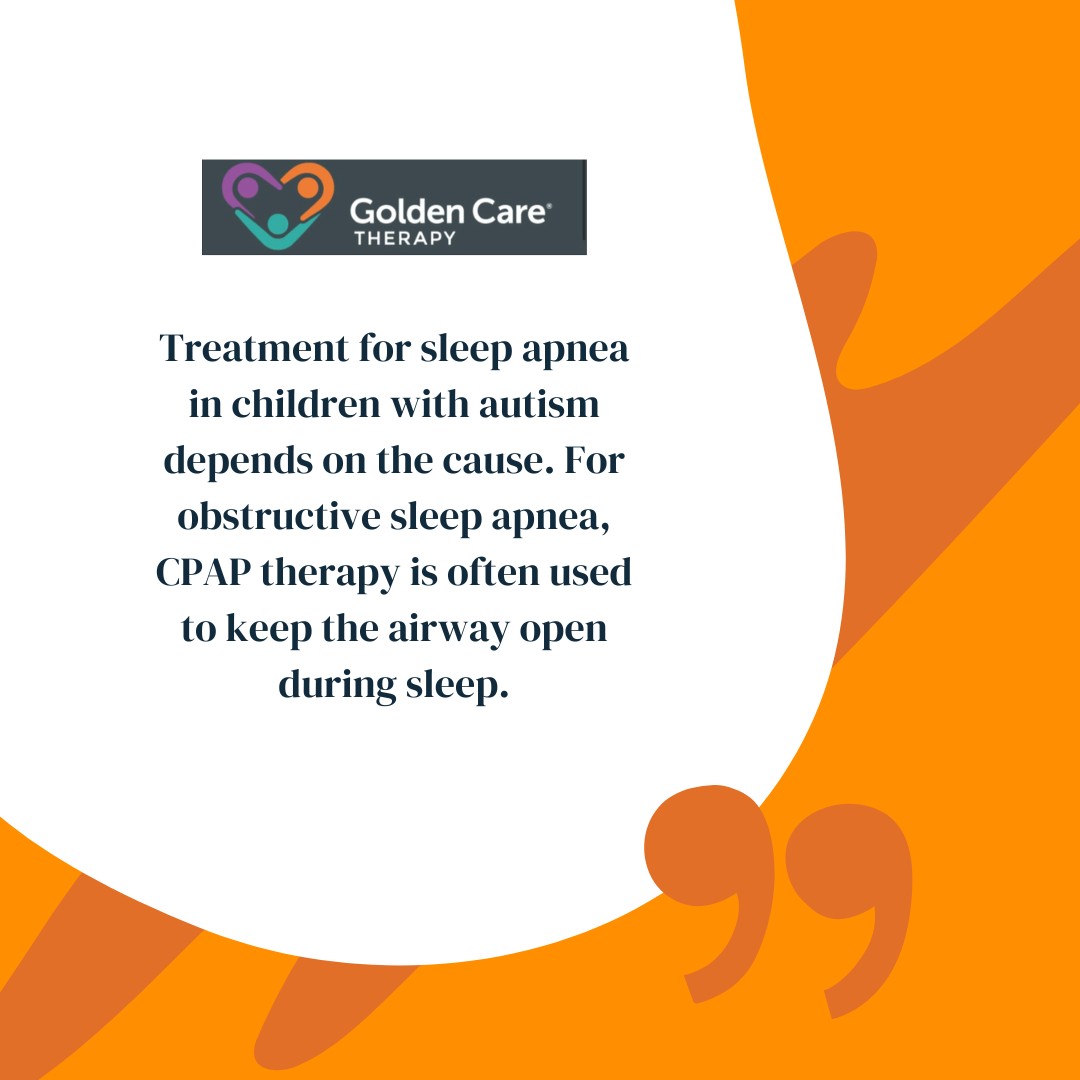
Diagnosing sleep apnea in autism presents its own challenges. Traditional sleep studies may not capture the nuances of the condition in neurodivergent individuals, necessitating alternative diagnostic approaches. Treatment options range from continuous positive airway pressure (CPAP) therapy to surgical interventions, but success often hinges on the individual’s ability to tolerate these interventions. For some, the discomfort of a CPAP mask may be prohibitive, necessitating creative solutions such as positional therapy or oral appliances. The key lies in a personalized approach that balances efficacy with tolerability.
Beyond Insomnia and Apnea: The Spectrum of Sleep Disorders in Autism
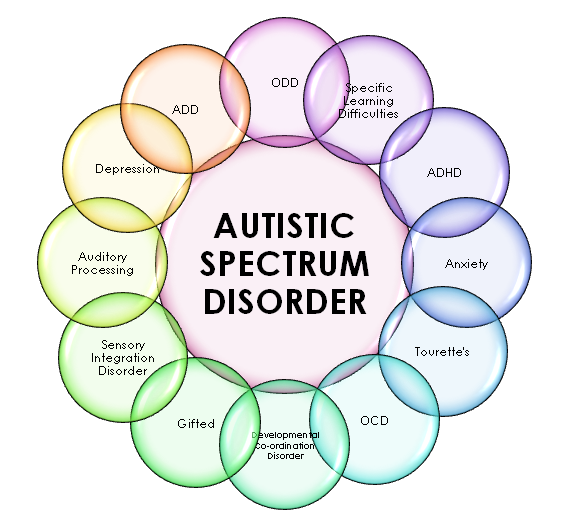
The landscape of sleep disorders in autism extends far beyond insomnia and sleep apnea. Restless legs syndrome, periodic limb movement disorder, and parasomnias such as sleepwalking or night terrors are also prevalent, each adding another layer of complexity to the sleep experience. These disorders often intersect, creating a mosaic of symptoms that defy simple categorization.
Restless legs syndrome, for instance, is characterized by an irresistible urge to move the legs, often accompanied by uncomfortable sensations. In autistic individuals, this condition may be exacerbated by sensory seeking behaviors or the inability to articulate the discomfort they feel. Periodic limb movement disorder, on the other hand, involves involuntary muscle contractions during sleep, leading to frequent awakenings and a sense of unrefreshing sleep. These disorders can be particularly challenging to diagnose, as their symptoms may be misattributed to behavioral issues or overlooked entirely.

Parasomnias present another frontier of sleep disruption. Sleepwalking, night terrors, and REM sleep behavior disorder—where individuals act out their dreams—can be both alarming and dangerous. For autistic individuals, these episodes may be more frequent or intense, reflecting the heightened emotional and physiological reactivity that often accompanies autism. Addressing these disorders requires a nuanced understanding of their triggers, which may include stress, sensory overload, or disruptions to the sleep environment.
The interplay between these disorders and autism’s core traits underscores the need for a holistic approach to sleep health. It is not enough to treat the symptoms in isolation; one must consider the broader context of the individual’s sensory, emotional, and cognitive landscape.
Breaking the Cycle: Strategies for Restorative Sleep
Transforming the sleep experience for autistic individuals is not a matter of quick fixes or universal solutions. It is a journey of discovery, experimentation, and adaptation, guided by the principles of individualized care and evidence-based interventions.
Sensory accommodations form the cornerstone of this approach. For some, weighted blankets or compression garments provide a sense of security that eases the transition into sleep. For others, the elimination of fluorescent lighting or the introduction of white noise machines can mitigate sensory triggers. The key is to tailor the sleep environment to the individual’s unique sensory profile, creating a sanctuary that minimizes disruption and maximizes comfort.
Behavioral strategies also play a pivotal role. Structured bedtime routines, visual schedules, and gradual adjustments to sleep schedules can instill a sense of predictability that is often lacking in the lives of autistic individuals. Cognitive-behavioral therapy for insomnia (CBT-I) has shown promise in this population, though its application must be adapted to account for autism-specific challenges such as theory of mind deficits or rigid thinking patterns.
Pharmacological interventions, while not a first-line approach, may be considered in cases where other strategies have failed. Melatonin supplementation, for instance, can help regulate circadian rhythms, though its efficacy varies widely among individuals. Other medications, such as clonidine or trazodone, may be used to address specific symptoms, but their use must be carefully monitored for side effects and interactions.
The role of caregivers cannot be overstated. Educating families and support networks about the nuances of sleep disorders in autism is essential for fostering an environment of understanding and patience. Caregivers must become detectives, observing patterns, identifying triggers, and advocating for their loved ones in a healthcare system that may not always grasp the complexities of neurodivergence.
A New Dawn: The Future of Sleep Health in Autism
The narrative of autism and sleep disorders is one of struggle, but also of resilience and innovation. As research advances, so too does our understanding of the biological and environmental factors that shape sleep in autism. Emerging technologies, such as wearable sleep trackers and biofeedback devices, offer new avenues for monitoring and intervention. Meanwhile, the growing recognition of autism in adults has shed light on the lifelong impact of sleep disorders, challenging the assumption that these issues are confined to childhood.
Yet, the most profound shift may come from a change in perspective. Sleep disorders in autism are not merely a list of symptoms to be managed; they are a window into the individual’s inner world. By approaching sleep health with curiosity and empathy, we can uncover the unique needs and strengths of each person, fostering a sense of agency and well-being that extends far beyond the night.
In the end, the quest for restful sleep is a universal human endeavor. For autistic individuals, it is a journey that demands creativity, patience, and an unwavering commitment to understanding. It is a testament to the resilience of the human spirit, and a reminder that even in the darkest hours, there is always the possibility of dawn.