The portrayal of autism in media often feels like peering through a cracked kaleidoscope—fractured images and skewed reflections fragmenting the reality of countless individuals. This metaphorical mirror bends and distorts the intricate spectrum of experiences, sometimes amplifying stereotypes while muting the authentic voices that deserve amplification. The question is profound yet urgent: Are we finally witnessing genuine representation of autism in media, or merely another illusion crafted by simplifying complex narratives?
The Mirage of Stereotypes: When Media Falls Into Familiar Tropes
For decades, media representations of autism have been reduced to a narrow set of characteristics, trapping the spectrum within rigid confines. Often, portrayals focus exclusively on savant abilities or social awkwardness, relegating the lived reality of many autistic individuals to the realm of archetypes. This reductive snapshot glosses over the mosaic of strengths, challenges, and identities that constitute the autism spectrum. When media perpetuates clichés—such as the “genius with a social deficit” or the emotionally distant loner—it perpetuates a distorted image more akin to myth than fact.
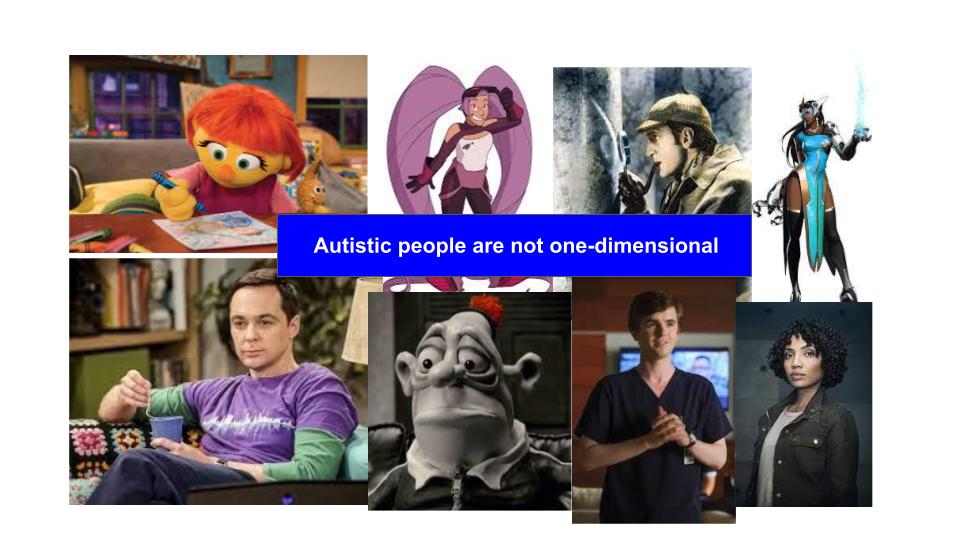
These tropes act like shackles, constraining public perception and influencing policy, education, and social acceptance in ways that hinder genuine understanding. They cast autism as a monolith, erasing the diverse voices within the spectrum by presenting a singular story that audiences are meant to accept as universal truth.
Beyond Awareness: Toward Acceptance and Authenticity
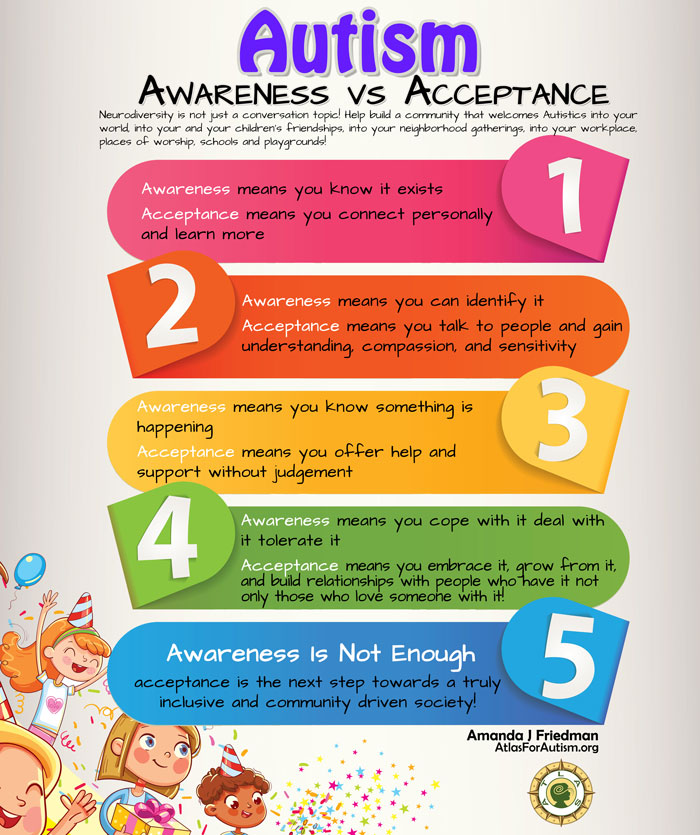
Shifting from awareness to acceptance represents a seismic paradigm shift in the way autism is framed. Awareness often implies a superficial recognition—knowing that autism exists in the population—whereas acceptance beckons deeper engagement, validating the diverse experiences of autistic individuals. Media’s role at this juncture is pivotal. Authentic representation transcends mere inclusion; it demands narratives that embrace complexity and invite viewers to reconsider preconceived notions.
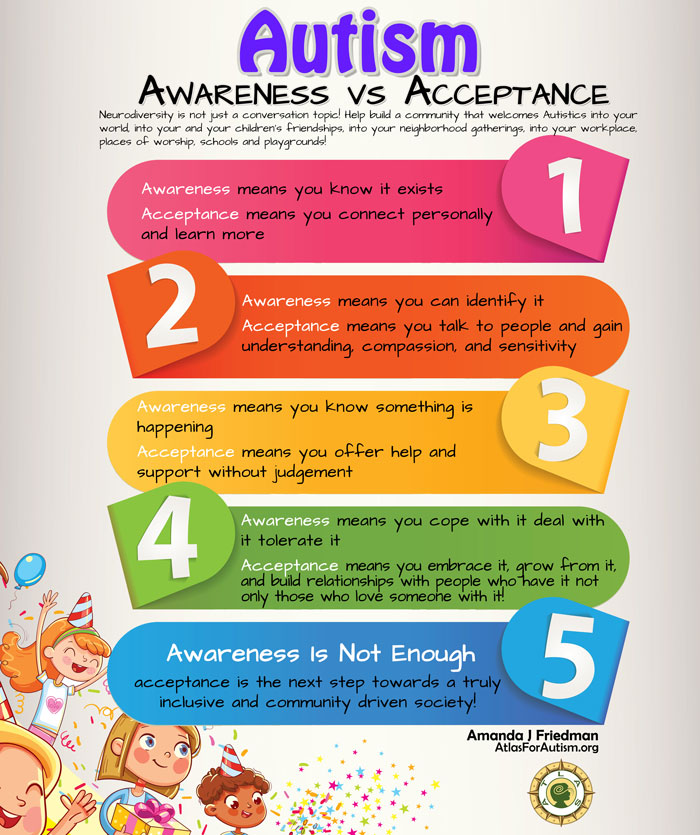
This evolution in portrayal must abandon the idea that autism is a problem to be solved, pivoting instead toward celebrating neurodiversity as a fundamental aspect of human variation. It’s an invitation to see autism not as a deficit, but as a distinctive mode of being that enriches the collective human experience. This nuanced lens compels media creators to seek cooperation with the autistic community—as consultants, writers, and actors—to cultivate stories that resonate with authenticity.
The Unique Appeal of Genuine Neurodivergent Storytelling
Authentic stories have an irreplaceable allure because they challenge dominant narratives and reveal unheard perspectives. Genuine neurodivergent storytelling unveils the layers beneath surface assumptions, presenting characters who reflect the rich emotional, intellectual, and sensory worlds of autistic individuals. These accounts act as mosaic tiles, each fragment adding depth and texture to the larger portrait of autism.
The impact is twofold: for autistic audiences, it offers validation and representation; for broader audiences, it fosters empathy and dispels ignorance. Nuanced characters who wrestle with everyday realities—be it sensory overload, communication differences, or unique talents—animate the narrative with humanity and complexity. This multifaceted portrayal transforms autism from a static label into a vibrant, evolving identity.
Barriers to Authentic Media Representation
Despite progress, barriers remain entrenched within the media industry. Lack of autistic representation behind the camera contributes to stories filtered through non-autistic perspectives, affecting accuracy and sensitivity. Economic imperatives often favor marketable clichés over challenging narratives, reinforcing simplified versions of autism for mass consumption.
Moreover, the episodic nature of many media formats resists deep exploration of autistic characters, favoring snapshots that risk reinforcing misunderstanding. Casting decisions sometimes prioritize neurotypical actors, sidelining autistic talent and reducing opportunities for lived experience to inform portrayal. These systemic obstacles underscore the need for structural changes in industry practices.
Hope on the Horizon: Emerging Trends and Successes
Encouragingly, the media landscape is gradually shifting. Increasingly, autistic creators are telling their own stories, asserting agency over representation. Documentaries, podcasts, and narrative series enriched by neurodivergent voices are gaining recognition, illustrating how authentic perspectives can captivate and educate simultaneously.
Advocates and allies are fostering inclusive environments that nurture collaboration between neurodivergent individuals and media professionals, sowing seeds for richer storytelling ecosystems. Audiences show burgeoning hunger for stories that defy stereotypes and embrace complexity, signaling a cultural readiness to embrace multifaceted narratives.
Conclusion: From Distorted Mirror to Clear Reflection
The journey toward real representation of autism in media demands vigilance, empathy, and intentionality. Moving beyond distorted mirrors to clear reflections means dismantling outdated tropes and amplifying diverse, authentic voices. Media holds a mirror up to society, influencing how we perceive and treat each other. When that mirror reflects a truer, more inclusive image of autism, it can transform understanding, break down barriers, and foster a world where every individual’s unique brilliance is recognized and celebrated.
In embracing the full spectrum of autistic experience through thoughtful storytelling, media can become a powerful catalyst for change—shifting from echoing myths to illuminating reality with unprecedented clarity.