The notion that autism is a monolithic, monochromatic deviation from the neurotypical norm has long been the prevailing narrative. Yet, as society evolves, so too does its understanding of human cognition. The neurodiversity paradigm emerges not as a mere alternative perspective, but as a radical reimagining of what it means to be human. This shift transcends mere tolerance; it champions acceptance, celebrates difference, and dismantles the archaic frameworks that have historically pathologized neurodivergent individuals. The transition from a medical model—one that frames autism as a disorder to be corrected—to a social model that embraces neurodiversity as a natural variation of human neurology—is more than ideological. It is a promise of liberation, a promise that the world can be redefined not in terms of deficits, but in terms of diversity.
Imagine a society where the hum of a busy café is not a cacophony to be silenced, but a symphony of human experience. Where eye contact is not a measure of sincerity, but a cultural convention. Where stimming—a rhythmic movement or sound—is not a sign of anxiety, but a form of self-regulation and expression. This is the world the neurodiversity movement envisions. It is a world where the cognitive landscape is as varied as the physical one, where the so-called “disorders” of today become the celebrated traits of tomorrow. The promise is not in changing autistic individuals to fit the world, but in reshaping the world to accommodate and celebrate them.

The Medical Model: A Legacy of Pathologization
The medical model of autism, entrenched in the mid-20th century, positioned autism as a deviation from the neurotypical standard. Rooted in the work of early psychiatrists like Leo Kanner and Hans Asperger, this framework framed autism as a collection of deficits—social impairment, communication challenges, and restricted interests—that necessitated intervention. The goal was clear: normalization. Therapies such as Applied Behavior Analysis (ABA) were designed to extinguish “undesirable” behaviors, often at the expense of the individual’s autonomy and comfort. The language was clinical, the approach paternalistic. Autism was not a difference to be understood, but a condition to be cured.
This model, while well-intentioned in its aim to alleviate suffering, carried with it a profound irony. It pathologized traits that, in another context, might be celebrated. The intense focus on detail, the deep well of knowledge in niche subjects, the unique ways of processing sensory input—these were not flaws, but facets of a distinct cognitive architecture. Yet, the medical model reduced them to symptoms, to be suppressed or eradicated. The promise of this paradigm was not liberation, but conformity. It promised a world where autistic individuals could blend in, but at what cost? The erasure of their authentic selves.
The Neurodiversity Paradigm: A Celebration of Difference
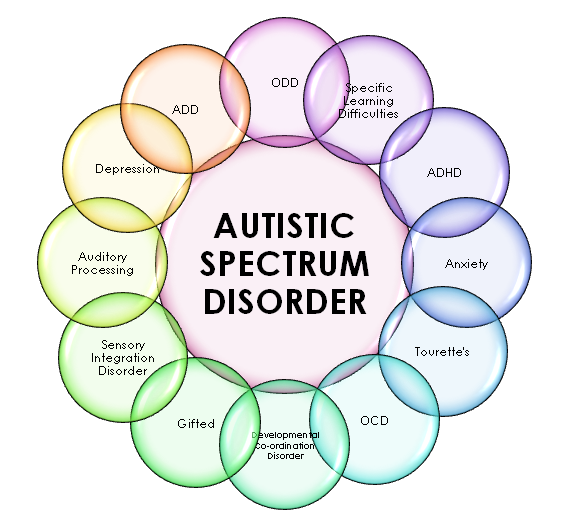
The neurodiversity paradigm, first articulated by sociologist Judy Singer in the late 1990s, flips the script. It posits that neurological differences—including autism, ADHD, dyslexia, and others—are not defects to be fixed, but natural variations of the human genome. Just as biodiversity enriches ecosystems, neurodiversity enriches human society. This perspective does not deny the challenges autistic individuals may face, but it reframes those challenges as products of an environment that is often ill-equipped to accommodate difference. The promise here is not in changing the individual, but in transforming the world around them.
Consider the concept of “spiky profiles.” In a neurotypical framework, an autistic individual might be deemed “low-functioning” due to their struggles with social interaction, yet possess extraordinary abilities in pattern recognition or memory. The neurodiversity paradigm recognizes that these spiky profiles are not failures of cognition, but evidence of a mind operating on entirely different terms. The promise is in the recognition that diversity is not a bug in the system, but a feature. It is the promise that society can evolve to value these differences, to create spaces where autistic individuals are not merely tolerated, but celebrated.
From Accommodation to Advocacy: The Role of Society
The shift from the medical model to the neurodiversity paradigm is not merely philosophical; it is practical. It demands action. Accommodations are no longer seen as concessions, but as rights. Sensory-friendly spaces, clear communication strategies, and flexible work environments are not luxuries, but necessities. The promise of this shift is in the creation of a society that is not just inclusive, but actively affirming. It is a society where autistic individuals are not pitied for their differences, but empowered by them.
Yet, this promise is not self-fulfilling. It requires advocacy. It requires dismantling the barriers that prevent autistic individuals from accessing education, employment, and healthcare. It requires challenging the stereotypes that paint autism as a tragedy rather than a triumph of human diversity. The neurodiversity movement is not a passive movement; it is a call to arms. It is a demand for systemic change, for policies that recognize the value of neurodivergent minds, and for a cultural shift that celebrates difference rather than fearing it.
Imagine a classroom where an autistic student is not reprimanded for stimming, but encouraged to use it as a tool for focus. Imagine a workplace where an autistic employee’s meticulous attention to detail is not seen as obsessive, but as an asset. These are not utopian fantasies; they are achievable realities. The promise of the neurodiversity paradigm is in its potential to unlock the full potential of autistic individuals, not in spite of their differences, but because of them.
The Promise of a Neurodiverse Future
The neurodiversity paradigm is more than a shift in perspective; it is a revolution in thought. It challenges us to rethink what it means to be human, to redefine success, and to embrace the full spectrum of human cognition. The promise it offers is not just for autistic individuals, but for society as a whole. A neurodiverse world is a world enriched by diverse perspectives, by innovative problem-solving, and by a deeper understanding of what it means to be human.
This promise is not without its critics. Some argue that the neurodiversity movement denies the very real challenges that autistic individuals face. Others worry that it romanticizes autism, ignoring the very real struggles that come with severe forms of the condition. Yet, the neurodiversity paradigm does not deny these challenges; it reframes them. It acknowledges that the difficulties autistic individuals face are often the result of a world that is not designed for them. The promise is not in ignoring these challenges, but in addressing them through the lens of accommodation and support, rather than eradication.
The future of neurodiversity is not a distant utopia; it is being built today. It is in the policies that protect the rights of autistic individuals, in the schools that adapt to their needs, and in the workplaces that value their contributions. It is in the voices of autistic advocates who demand to be heard, who refuse to be spoken for, and who insist on being seen as they are. The promise of the neurodiversity paradigm is not a promise of perfection, but of progress. It is a promise that the world can be a better place for autistic individuals, not because they have changed, but because the world has changed to meet them.
The journey from the medical model to the neurodiversity paradigm is not yet complete. The path is fraught with obstacles, with skepticism, and with the inertia of entrenched systems. Yet, the promise is there. It is in the quiet defiance of an autistic child who refuses to mask their true self. It is in the bold advocacy of those who demand to be seen. It is in the incremental changes that make the world a little more accommodating, a little more understanding, and a little more human. The shift in perspective is not just about autism; it is about the very essence of what it means to be human. And that, perhaps, is the most radical promise of all.