What happens when the very therapy designed to help a person becomes a source of resistance? For many individuals diagnosed with autism, the right to refuse therapy presents a nuanced paradox. Therapies are widely deemed essential for development and integration, yet they can sometimes be experienced as intrusive or distressing. This tension raises pivotal questions about autonomy, consent, and the ethical framework surrounding autism interventions.
Understanding Autism and Therapeutic Interventions
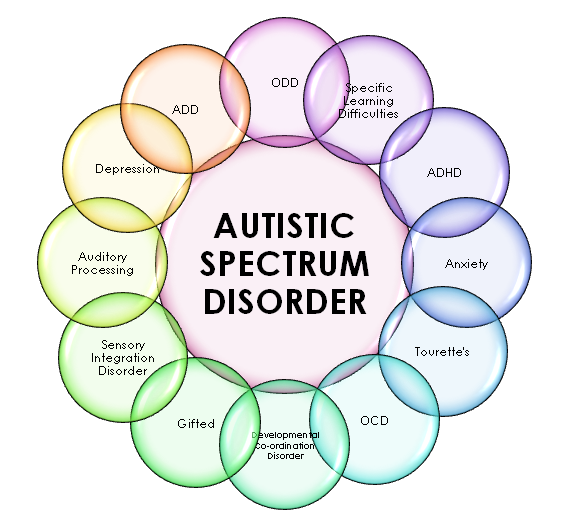
Autism spectrum disorder (ASD) is characterized by a wide range of developmental variations in social interaction, communication, and behavior. Owing to its complexity, treatment modalities vary from behavioral therapies and speech interventions to occupational therapies. Early and consistent intervention is often advocated to maximize functional capacities and enhance quality of life. However, the efficacy of these interventions is not solely a matter of clinical outcome but also dependent on the individual’s willingness and comfort with the process.

The Nuance of Therapeutic Refusal
Envision a child or adult with autism articulating a refusal to engage in therapy. At first glance, refusal might seem like simple noncompliance or regression, but this interpretation is reductive and potentially harmful. Therapeutic refusal can be an expression of discomfort, sensory overload, trauma, or a need for autonomy. It challenges caregivers and clinicians to reconsider the ethical imperative of consent in treatment, especially when the individual’s communicative abilities can vary widely.
Autonomy Versus Beneficence: The Ethical Dilemma
The conundrum between respecting an individual’s autonomy and the healthcare principle of beneficence—acting in the patient’s best interest—is particularly pronounced in autism therapy. Should a therapist respect the refusal of a young client who may be struggling to articulate their needs or fears? Or should they proceed with interventions believed to foster long-term benefits? This tension underscores the very challenge of balancing rights with therapeutic ambitions.
Legal and Rights-Based Perspectives
From a legal standpoint, the right to refuse treatment is well-established in many jurisdictions, but the application becomes complex when intellectual or developmental disabilities are involved. For minors or individuals under guardianship, decisions often hinge on surrogate consent, raising questions about whose interests are truly prioritized. Advocates for neurodiversity argue that forcing therapy can infringe on fundamental human rights, urging a shift in paradigm from normalization to acceptance.

Therapeutic Approaches That Honor Consent
Innovative approaches in autism therapy increasingly emphasize collaboration and respect for the individual’s voice. Techniques such as person-centered planning and trauma-informed care seek to reduce coercion and enhance engagement by tailoring interventions to the individual’s preferences and comfort zones. This philosophy contrasts sharply with more traditional models that may prioritize modification of behaviors over the individual’s subjective experience.
The Role of Families and Caregivers
Families and caregivers often find themselves navigating difficult terrain. Their role is pivotal—not only as advocates and supporters but also as mediators between the clinical system and the autistic individual. Empowering the person with autism to express consent or refusal necessitates patience, understanding, and sometimes a redefinition of success to include emotional well-being and personal agency alongside functional gains.
Implications for Future Autism Care
The growing discourse around the right to refuse therapy invites the medical and caregiving communities to rethink foundational assumptions. It compels practitioners to cultivate environments where autonomy is not sacrificed on the altar of progress. Future models of care might integrate flexibility, respect for neurodiversity, and ethical sensitivity, thereby transforming therapy from a unilateral imposition to a negotiated journey.
In closing, the right to refuse therapy for individuals on the autism spectrum is not merely a clinical or procedural challenge; it represents a profound dialogue about dignity, respect, and freedom. Embracing this dialogue may be the key to crafting care paradigms that honor the whole person, not just their diagnostic label. Ultimately, acknowledging the complexities of refusal enables a deeper appreciation of what it means to support those with autism in truly meaningful ways.