
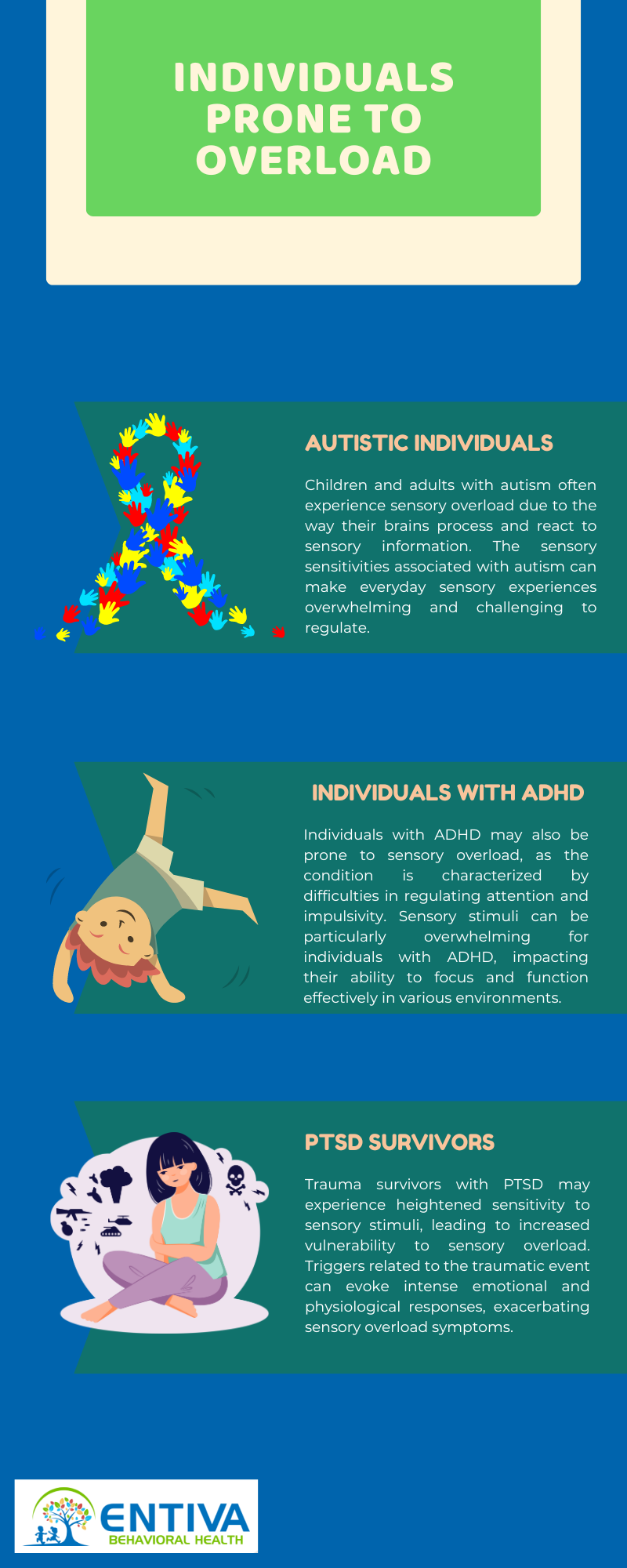
Winter introduces a unique symphony of sensory experiences. For individuals on the autism spectrum, these seasonal shifts often evoke a spectrum of responses—ranging from fascination to overwhelming challenge. Observers frequently note that children and adults with autism exhibit an intense engagement with winter’s textures, sounds, and sights, yet beneath this apparent captivation lies a complex landscape of sensory processing intricacies. The cold nip of the air, the crunch of snow, the sharp glare of winter sun—each element can simultaneously allure and distress, demanding nuanced understanding and thoughtful strategies to navigate the season effectively.
Winter Sensory Sensitivities: An Intricate Interplay
Autism spectrum disorder (ASD) frequently involves atypical sensory processing, where the brain’s interpretation of sensory input diverges from typical patterns. Winter amplifies this divergence. The distinct tactile stimuli—the cold, the dampness, the roughness of bundled layers—might provoke hypersensitivity or hyposensitivity. Hypersensitivity manifests as heightened discomfort or distress from cold air or the scratchiness of winter clothing, often leading to avoidance behaviors or emotional dysregulation. Conversely, hyposensitivity might prompt an individual to seek out intense cold stimuli, paradoxically embracing sensations that might distress others.
This heightened or blunted perception is not merely an inconvenience but represents a fundamental neurobiological difference. The central nervous system’s modulation of sensory information becomes especially salient during winter, prompting both behavioral challenges and moments of profound connection to the environment. This dichotomy contributes to the observed fascination: what appears as mere curiosity may stem from a compelling need to regulate or fulfill sensory requirements.

The Environmental Variables Exacerbating Sensory Distress
Several winter-specific environmental factors exacerbate sensory challenges. First, the drop in temperature introduces cold air that stimulates thermoreceptors in the skin differently than warmer seasons. For individuals experiencing sensory defensiveness, this cold can cause acute distress, sometimes triggering anxiety or behavioral shutdowns. Likewise, the layering of clothing, essential for warmth, introduces additional tactile inputs—varying fabric textures, tightness, and pressure—which might be perceived as restrictive or irritating.
Moreover, visually, winter’s stark contrasts can be overwhelming. The glare of reflected sunlight on snow, the dimness of short days, and the monochromatic landscape reshape visual stimuli into potentially overwhelming or underwhelming inputs. Auditory experiences evolve too; the hush of snow muffling usual sounds contrasts with the sharp crackle of ice or the abrasive whistle of cold winds, all of which may alter sensory processing unpredictably.
Even gustatory and olfactory senses confront change—spiced beverages and holiday scents evoke strong responses, whether comforting or invasive, amplifying the multi-sensory complexity of winter.
Unraveling the Fascination: Sensory Seeking and Stimming
One of the more enigmatic aspects of winter sensory processing in autism is the often intense fascination with certain winter phenomena. This fascination is not merely an aesthetic appreciation; it frequently serves as a coping mechanism aligned with sensory seeking behaviors. For instance, the tactile sensation of snow under hands or feet provides a unique textural experience—cold, crunchy, malleable—that can satisfy a powerful craving for novel sensory input.
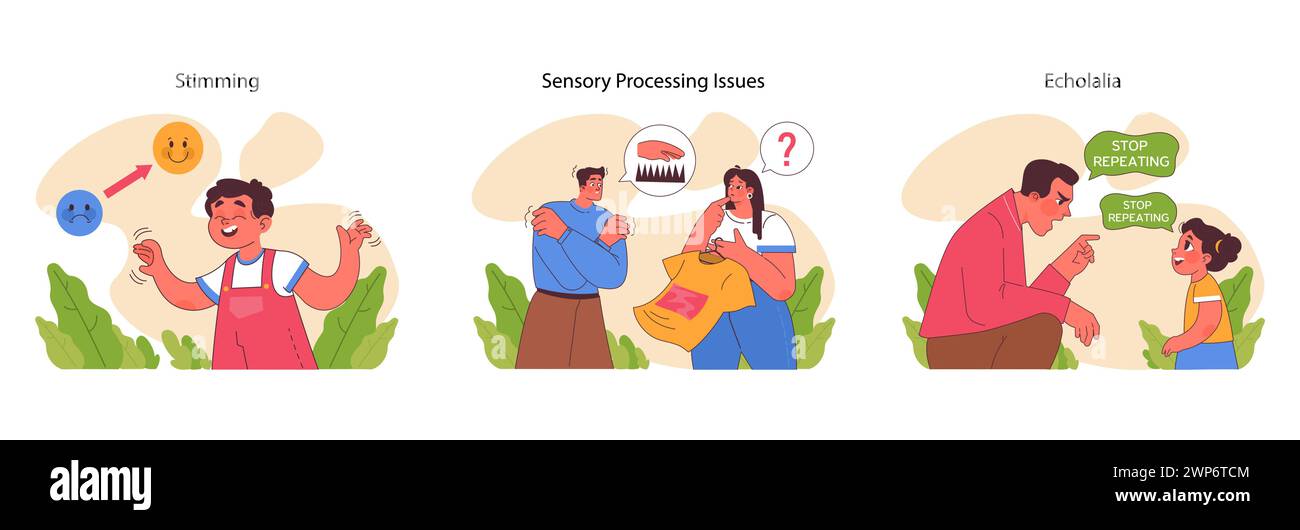
Stimming, or self-stimulatory behavior, often intensifies in response to sensory environments, and winter lends itself to a myriad of stimming opportunities. The repetitive action of squeezing snow, watching falling flakes, or listening to the crunch underfoot can create soothing feedback loops. These behaviors help to modulate sensory overload, generate predictability, and foster emotional regulation. Understanding these nuances is essential; what might seem like mere play or fixation actually fulfills crucial neurodevelopmental functions.

Practical Coping Strategies for Navigating Winter Sensory Challenges
Effective support during the colder months should blend environmental modifications, personalized sensory interventions, and empathetic engagement. One primary consideration is optimizing clothing. Soft, seamless fabrics can reduce tactile defensiveness. Layering should allow for flexibility and individual preference in texture and tightness, ensuring garments feel secure without constriction. Heated accessories, such as gloves with hand warmers or thermal insoles, offer tactile comfort while mitigating cold-triggered distress.
Routine and predictability are paramount. Structured outdoor activities that incorporate preferred sensory inputs—like building snow structures or sensory bins with cold water and ice—can harness fascination positively while preventing sensory overwhelm. Visual aids to prepare for winter outings, such as social stories or picture schedules, reduce anxiety linked to uncertainty.
Auditory stimuli, often overlooked, can be managed by using noise-cancelling headphones or providing calming music, shielding against sharp winter sounds. For some, controlled exposure to winter scents (like pine or cinnamon) through aromatherapy might offer soothing benefits, though this should be carefully monitored for individual tolerance.
Leveraging Therapeutic Supports and Community Resources
Occupational therapy offers invaluable tools tailored to individual sensory profiles. Sensory integration therapy can mitigate hypersensitivity by gradually desensitizing the nervous system to challenging stimuli, thereby fostering increased tolerance of winter conditions. Therapists often collaborate with families to craft custom strategies that seamlessly integrate into daily routines, enhancing intrinsic coping mechanisms.
Community resources, such as autism-friendly winter events or quiet hours at public venues, provide safe spaces for engagement without overwhelming sensory input. Encouraging participation in these supports nurtures social inclusion while respecting sensory needs, nurturing holistic well-being during a season that might otherwise stimulate isolation.
Conclusion: Embracing Complexity and Fostering Resilience
Winter sensory challenges in autism embody a delicate juxtaposition of allure and adversity. Far from simple discomfort, these sensory experiences reflect profound neurological dynamics that shape perception and behavior. Recognizing and validating the intrinsic fascination with winter sensations unlocks pathways for compassion and effective intervention.
By integrating environmental adjustments with therapeutic guidance and a grounded appreciation of sensory nuances, caregivers and professionals can transform winter from a realm of challenge into one of resilience and exploration. Through such holistic approaches, individuals on the spectrum can not only weather the cold season but also find empowerment in their unique sensory worlds.












