The modern workplace is a mosaic of human potential, where each employee contributes a unique hue to the larger picture. For neurodivergent individuals, particularly those with autism, this mosaic can sometimes feel like a puzzle missing a few critical pieces. The right workplace accommodations act as those missing pieces, transforming a disjointed arrangement into a cohesive, vibrant masterpiece. But what exactly should one request? How do these adjustments translate into tangible benefits for both employee and employer? Let’s explore the art and science of tailoring workplace accommodations to unlock the full spectrum of autistic talent.
The Foundation: Understanding the Spectrum of Needs
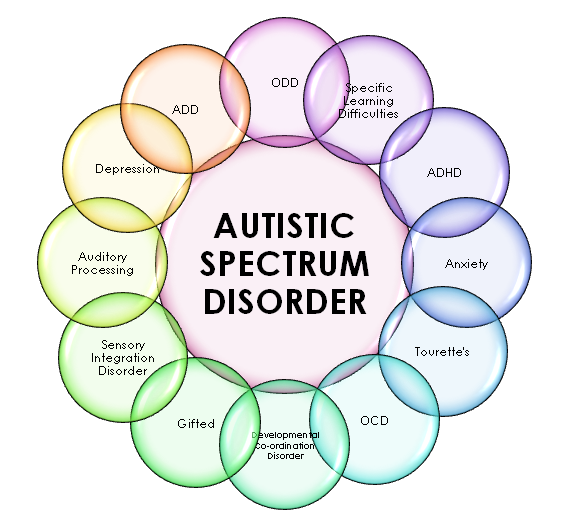
Autism is not a monolith; it is a constellation of traits, strengths, and challenges that vary as widely as the stars. Some individuals may thrive in open-plan offices, while others find solace in the quietude of a private workspace. Sensory sensitivities—whether to fluorescent lighting, background chatter, or the hum of machinery—can turn a routine workday into a gauntlet of distractions. The first step in crafting effective accommodations is recognizing that these needs are not deficits but differences in processing the world. A well-designed workspace doesn’t just accommodate; it harmonizes.
Consider the metaphor of a garden. Just as some plants require dappled sunlight while others wither in its intensity, autistic employees flourish under conditions tailored to their sensory and cognitive landscapes. The goal isn’t to force everyone into the same mold but to cultivate an environment where each individual can grow. This requires a shift from a one-size-fits-all approach to a bespoke framework, where flexibility is not a luxury but a necessity.
Structural Accommodations: Crafting the Physical Environment
The physical workspace is the canvas upon which productivity and well-being are painted. For autistic employees, small tweaks can yield outsized benefits. Noise-canceling headphones, for instance, are not just accessories but lifelines in open offices where the clatter of keyboards and muffled conversations can feel like a symphony of chaos. Adjustable lighting—warm, dimmable, or even blue-light-filtered—can mitigate the strain of fluorescent glare, which for some is akin to staring into the sun.
Ergonomic considerations extend beyond chairs and desks. Some individuals may benefit from standing desks or alternative seating like wobble stools, which allow for subtle movement without disrupting focus. The arrangement of furniture can also play a role; a corner workspace with walls to one’s back can reduce the anxiety of being approached from behind, while a designated quiet room offers a sanctuary for decompression during sensory overload.
Technology, too, can be a powerful ally. Speech-to-text software can alleviate the cognitive load of typing for those who struggle with fine motor skills or executive function. Screen filters or dark mode can reduce eye strain, while customizable keyboard shortcuts streamline repetitive tasks. These tools are not crutches but catalysts, enabling autistic employees to channel their energy into high-value work rather than navigating barriers.
Routine and Structure: The Anchors of Predictability
Predictability is the bedrock of comfort for many autistic individuals. The workplace, with its ever-shifting priorities and impromptu meetings, can feel like a ship tossed on turbulent seas. Structured routines—such as predictable start and end times, clear agendas for meetings, and advance notice of changes—can provide the stability needed to thrive. This doesn’t mean rigid inflexibility but rather a scaffold that allows for both consistency and adaptability.
Written communication can be a game-changer. Emails or instant messages summarizing verbal discussions ensure that critical information isn’t lost in the shuffle of a fast-paced environment. Similarly, visual schedules or task lists can serve as a roadmap, reducing the cognitive burden of juggling multiple responsibilities. For those who process information more slowly, breaking down projects into smaller, manageable chunks can transform overwhelming tasks into achievable milestones.
Flexibility in work hours can also be a boon. Some autistic employees may be night owls, their peak productivity hours aligning with the quiet of the evening. Others may require staggered schedules to accommodate therapy appointments or sensory breaks. The key is to view time not as a rigid constraint but as a fluid resource, one that can be molded to fit individual rhythms.
Social Dynamics: Navigating the Unwritten Rules
The social landscape of the workplace is fraught with unspoken expectations—subtle cues, implied hierarchies, and the art of small talk. For autistic individuals, these norms can feel like a foreign language, one that is rarely taught but constantly tested. Accommodations here might include clear guidelines on communication preferences, such as a preference for written over verbal updates or a need for advance notice before unexpected social interactions.
Mentorship programs can also bridge the gap. Pairing autistic employees with neurotypical colleagues who can model social behaviors or provide feedback in a low-pressure setting can demystify workplace culture. Additionally, sensitivity training for managers and teams can foster an environment where differences are not just tolerated but celebrated. The goal is not to erase neurodiversity but to create a culture where it is understood and valued.
Communication: Bridging the Gap Between Worlds
Communication is the lifeblood of any organization, but its channels are not always accessible to everyone. Autistic individuals may process language differently, requiring adjustments in how information is conveyed. Direct, concise communication—free of sarcasm, idioms, or vague phrasing—can prevent misunderstandings and reduce anxiety. For example, instead of saying, “We’ll circle back on this,” a manager might say, “I’ll review this by Wednesday and share my feedback then.”
Written communication can also be a bridge. Tools like Slack or Microsoft Teams allow for asynchronous discussions, giving employees time to process and respond without the pressure of real-time interaction. For those who struggle with eye contact or facial expressions, video calls can be replaced with audio-only options or even email threads. The aim is to create a communication ecosystem where everyone can participate fully, regardless of their neurotype.
The Ripple Effect: Benefits Beyond the Individual
The advantages of thoughtful accommodations extend far beyond the autistic employee. A workplace that adapts to diverse needs is, by definition, a more inclusive one. Neurotypical employees often find that the changes implemented for their autistic colleagues—such as clearer communication or flexible schedules—benefit them as well. The result is a culture of empathy and adaptability, where innovation thrives because barriers have been removed.
Employers, too, reap the rewards. Retention rates improve when employees feel valued and supported. Productivity soars when individuals are not expending energy navigating avoidable obstacles. And perhaps most importantly, the organization’s reputation as an inclusive employer attracts top talent from all walks of life, enriching the workplace with a diversity of thought and experience.
The modern workplace is not a static entity but a living, breathing ecosystem. Accommodations for autistic employees are not concessions but investments—in potential, in productivity, and in the creation of a more humane and effective organization. By embracing these adjustments, we do more than level the playing field; we redefine what it means to work together.