Have you ever wondered whether a simple app or a meticulously crafted chart could transform the intricate world of autism caregiving into something more navigable, even graceful? The challenge lies in finding tools that not only organize but empower—tools that understand the nuanced demands of caregiving and translate them into manageable, actionable strategies. In a realm where every day presents unique puzzles, the right caregiver tools can illuminate pathways to improved communication, emotional regulation, and daily routine adherence.
Understanding the Multifaceted Role of Autism Caregivers
Autism caregivers are akin to orchestrators managing a symphony of diverse needs—sensory sensitivities, communication barriers, behavioral unpredictabilities, and emotional fluxes. The caregiver’s role extends beyond basic care, encompassing advocacy, education, and emotional support. This complexity underscores the necessity for resources that do more than assist; they must anticipate the unpredictable and provide flexible frameworks. Without such support, even the most dedicated caregivers may find themselves overwhelmed, grappling to maintain balance between the needs of their loved ones and their own well-being.
Apps As Technological Allies in Autism Caregiving
Technology has emerged as a formidable ally for those navigating the labyrinth of autism care. Mobile applications, in particular, have revolutionized the way caregivers access resources, track progress, and communicate. These apps range from tools facilitating executive functioning skills to those designed to help manage daily schedules and emotional regulation.
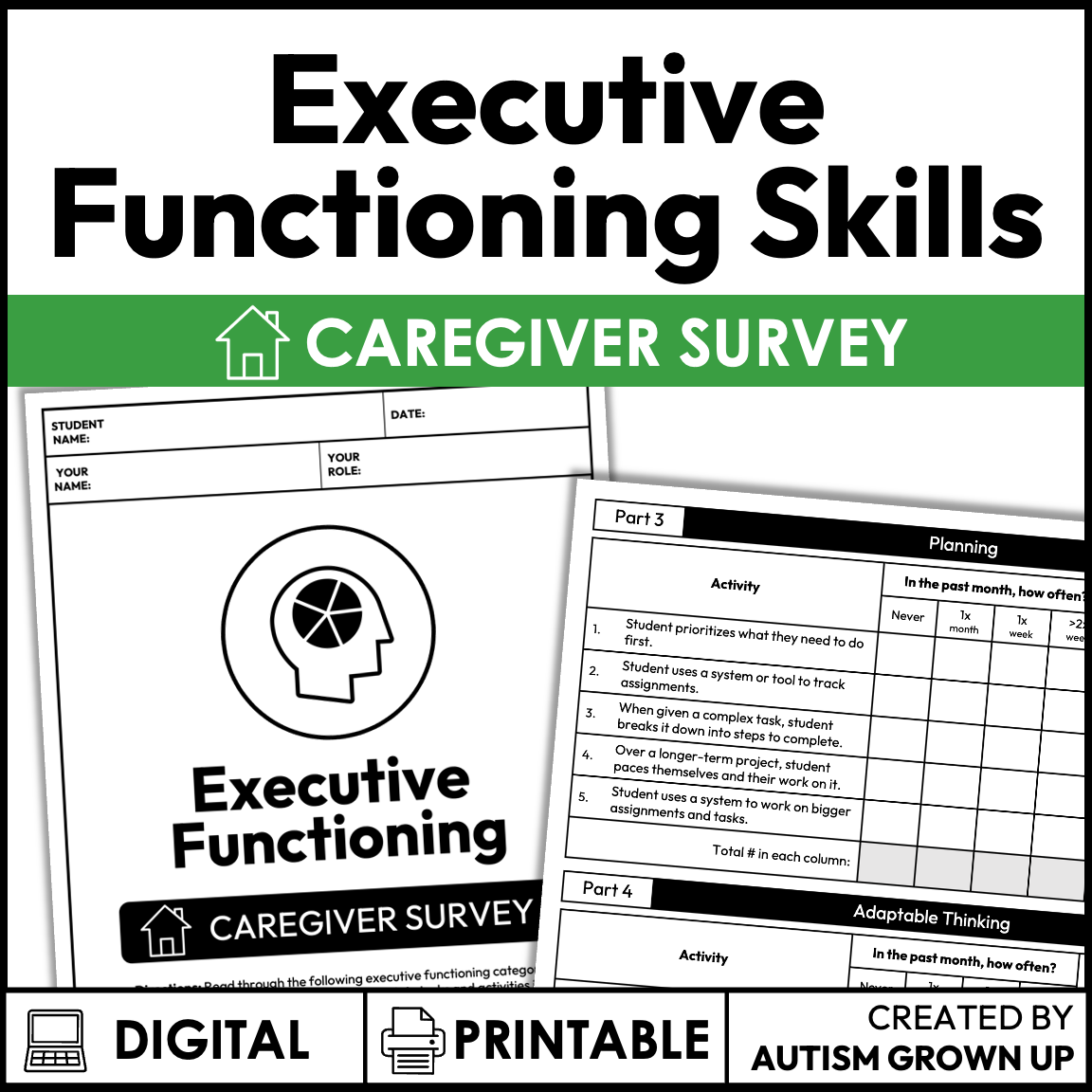
For example, apps equipped with executive functioning surveys and tools not only assess areas such as planning and attention but also offer actionable insights customized to the individual’s needs. These digital platforms promote autonomy, helping caregivers foster independence in their loved ones gradually. Moreover, many apps incorporate visual supports—an invaluable aid in circumventing communication challenges intrinsic to autism.
The Vital Role of Visual Charts and Schedules
Visual aids have long been heralded in autism caregiving for their clarity and predictability. Charts and schedules convert abstract concepts into tangible, understandable elements, especially for individuals who think in concrete terms. The use of visual timetables reduces anxiety by setting clear expectations and offering a sense of control over the day’s events.

These charts also serve as communication bridges, particularly in moments where verbal communication proves challenging. Caregivers and those they support can collaborate to create personalized visual schedules that break tasks into manageable steps, thereby reinforcing routine and consistency. The repetitive and predictable nature of these tools fosters an environment conducive to learning and emotional stability.
Building Emotional Resilience Through Caregiver-Focused Tools
While much attention is dedicated to tools aimed directly at individuals with autism, equally important are resources that support caregivers themselves. The emotional labor entailed in caregiving demands strategies that nurture resilience, prevent burnout, and promote overall well-being.

Programs that offer caregiver evenings or supportive communities create essential spaces for reflection and renewal. These initiatives often introduce self-care techniques, stress management strategies, and peer support networks. Digital tools that monitor caregiver stress or provide mindfulness exercises serve to replenish emotional reserves, thereby equipping caregivers to maintain efficacy and compassion.
Customizing Tools to Fit Unique Individual Needs
No autism profile is alike. The heterogeneity demands a bespoke toolkit that acknowledges the distinct sensory preferences, cognitive levels, and behavioral patterns present in each individual. Tools that allow customization—whether apps that adapt survey questions or charts that integrate tailored icons and prompts—heighten engagement and efficacy.
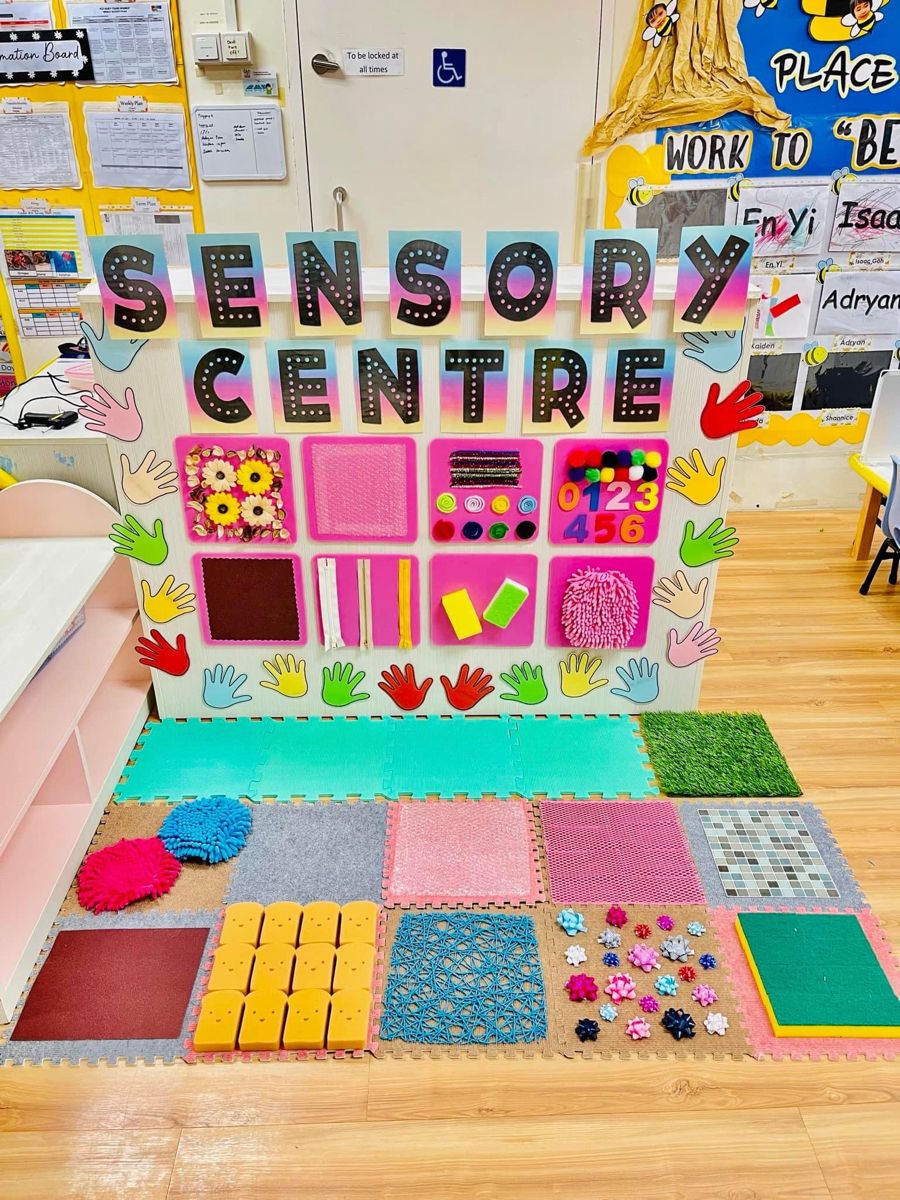
Customization also extends to the mediums used. Some individuals may respond better to tactile learning aids, while others thrive with auditory cues or interactive digital interfaces. Consequently, caregivers must adopt a multidisciplinary approach, blending various tools and methods until the optimal constellation emerges.
The Intersection of Technology and Traditional Tools: A Harmonious Balance
While high-tech solutions offer unprecedented convenience and analytics, traditional tools maintain irreplaceable value due to their tangibility and simplicity. Printed charts, laminated schedules, and physical token systems provide sensory input and reliability unaffected by battery life or software glitches.
Integrating both realms fosters a comprehensive caregiving strategy. For instance, an app might track weekly progress but be complemented by a tactile reward chart displayed prominently in the living space. This harmonic incorporation ensures both accessibility and engagement across diverse scenarios.
Future Horizons: Innovations on the Caregiving Toolkit Frontier
The horizon of autism caregiving tools promises exciting advancements. Artificial intelligence, augmented reality, and wearable technologies are poised to deepen personalized support and real-time monitoring. Imagine a wearable device that cues social cues or emotional states, instantly informing caregivers and facilitating timely interventions. Or augmented reality platforms that simulate social scenarios, allowing safe and controlled skill-building opportunities.
As innovations unfold, the key challenge will remain: ensuring these technologies remain user-friendly, affordable, and sensitive to the diverse realities of caregivers. Their success hinges not merely on sophistication but on genuine usability and inclusivity.
In sum, the landscape of autism caregiver tools is a vibrant amalgamation of technology, visualization, and emotional support systems. Engaging with these tools—whether through thoughtfully designed apps, personalized charts, or community-driven programs—can significantly alleviate the complexities of caregiving. These resources act not as crutches but as empowering instruments that enrich the caregiving journey, nurturing both the caregiver and the individual with autism toward a thriving coexistence.