Have you ever wondered how professionals navigate the complex path of autism diagnosis? Imagine the challenge: decoding a spectrum that manifests uniquely in every individual. How do experts distinguish behavioral nuances, subtle cues, and developmental signals to arrive at an accurate diagnosis? This intricate endeavor relies on specialized tools designed to illuminate different facets of autism spectrum disorder (ASD). Among these, the Autism Diagnostic Observation Schedule (ADOS) and the Autism Diagnostic Interview-Revised (ADI-R) stand as pillars in the diagnostic process. Yet, they are just parts of a broader arsenal that clinicians wield with precision and care.
The Autism Diagnostic Observation Schedule (ADOS): An Interactive Lens
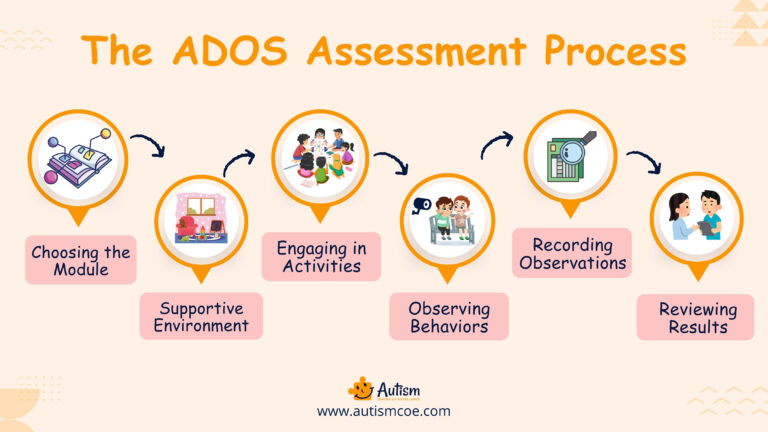
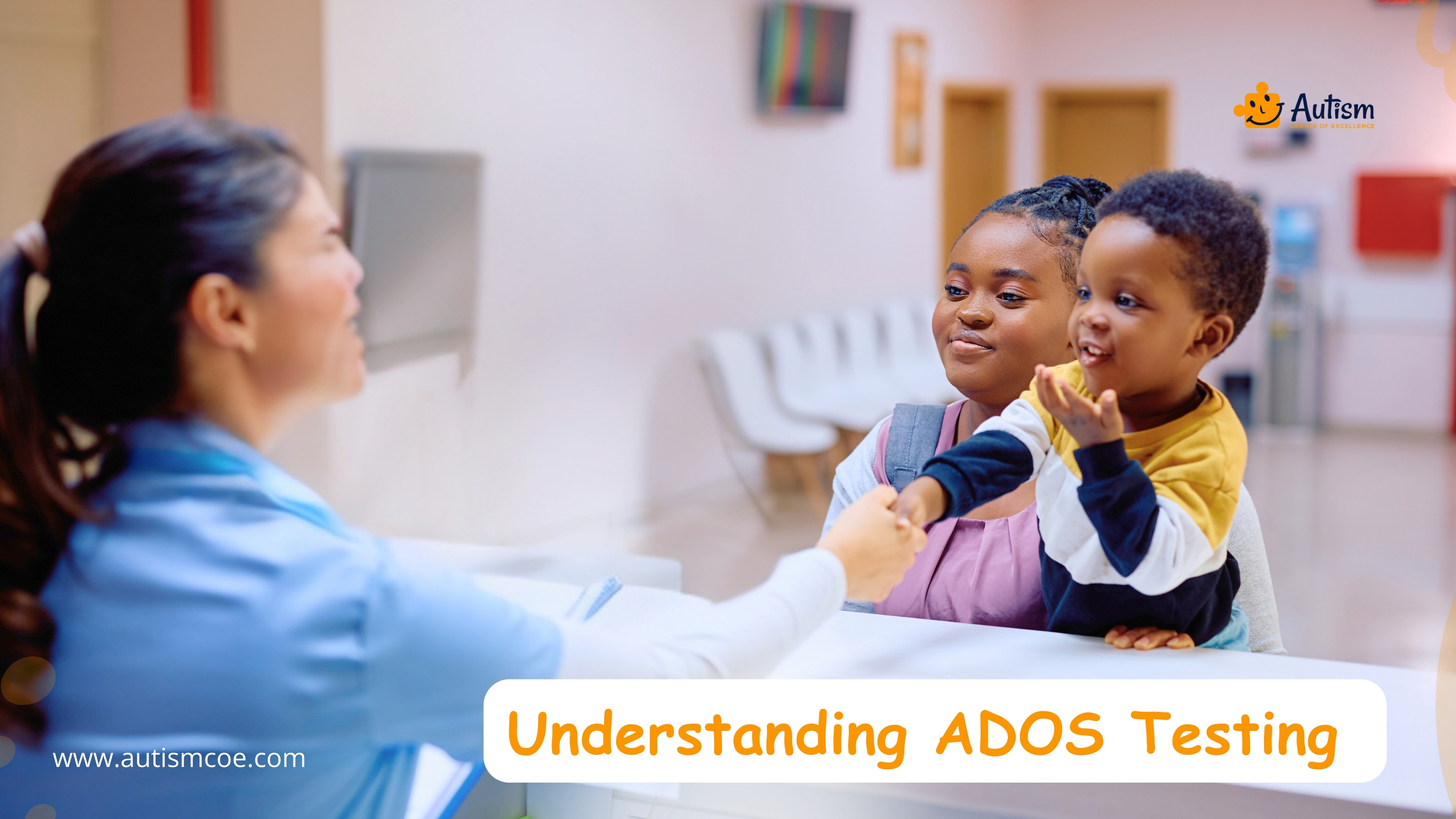
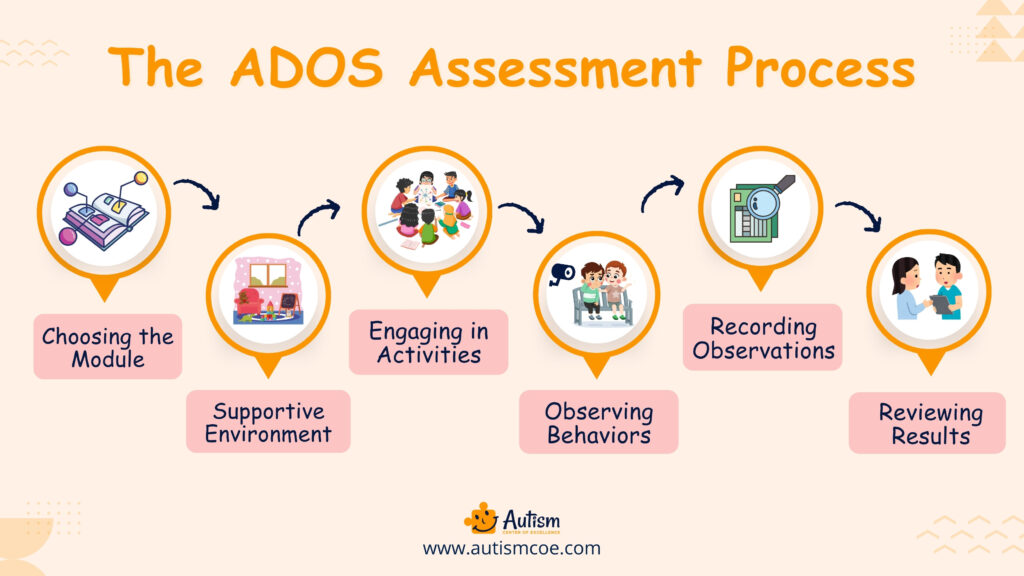
The ADOS is often considered the gold standard in observational assessment, providing a dynamic evaluation of social interaction, communication, play, and imaginative use of materials. Unlike traditional questionnaires, the ADOS involves a series of structured and semi-structured tasks that invite the individual to engage naturally, offering invaluable insights into social behavior and communication in real-time.
This assessment is modular, tailored to age and language proficiency, allowing flexibility whether the subject is a nonverbal child or an adult with fluent speech. Each module emphasizes specific tasks such as social play, conversation, and joint attention activities. The clinician meticulously observes and codes responses, capturing the subtleties of interaction that might otherwise be overlooked.
What sets ADOS apart is its capacity to standardize observations, providing quantifiable data that supports clinical judgment. However, the interpersonal style of the examiner and variations in administration can influence results, presenting an ongoing challenge to maintain consistency and reliability.
Autism Diagnostic Interview-Revised (ADI-R): A Deep Dive into Developmental History
While ADOS captures present interaction patterns, the ADI-R offers a complementary perspective by delving into the individual’s developmental trajectory and behavioral history. Administered as a structured interview with a caregiver, this tool explores three core domains of autism: language and communication, reciprocal social interactions, and restricted, repetitive behaviors and interests.
The ADI-R’s extensive format ensures that clinicians gather comprehensive background information, including early childhood milestones, regression patterns, and current behavior. These data points contribute to a nuanced understanding that complements observational assessments, creating a robust diagnostic profile.
Nevertheless, reliance on caregiver recall introduces potential bias and variability. Memories can be imperfect or influenced by emotions, making it essential for clinicians to approach the ADI-R with a critical and empathetic lens.
Beyond ADOS and ADI-R: Additional Evaluation Instruments
Although ADOS and ADI-R dominate the diagnostic landscape, other tools contribute significantly, offering varied angles to the assessment of autism. The Childhood Autism Rating Scale (CARS) and the Social Responsiveness Scale (SRS) are notable examples that quantify symptom severity and social impairment respectively.
CARS relies on direct observation combined with caregiver input, rating behaviors across multiple domains to differentiate autism from other developmental disorders. Its comparatively brief administration makes it a practical screening adjunct, especially in settings with limited resources.
Similarly, the SRS is a questionnaire designed to capture the spectrum of social awareness, cognition, communication, and motivation through caregiver or teacher reports. This self-report measure has proved useful in both clinical and research contexts, flagging subtle social deficits that might elude other evaluations.
Functional assessments and cognitive testing, such as IQ tests and adaptive behavior scales, further contextualize the individual’s capabilities, clarifying strengths and challenges that inform intervention planning.
The Challenge of Heterogeneity in Autism Diagnosis
One of the most vexing challenges in autism diagnosis is its remarkable heterogeneity—no two individuals present identically. This variability complicates the application of standardized tools. The expression of autism can be masked by compensatory behaviors or overshadowed by co-occurring conditions such as anxiety, ADHD, or intellectual disability.
Moreover, cultural and linguistic diversity frequently complicate diagnostic processes. Norms and expectations differ across communities, potentially affecting both caregiver reports and clinician interpretations. Professionals must therefore navigate these layers with cultural competence and adaptiveness, employing tools flexibly without sacrificing rigor.
Integrating Multimodal Data for Comprehensive Diagnosis
Given the strengths and limitations inherent in each diagnostic instrument, an integrative approach is imperative. Effective diagnosis synthesizes information from clinical observation, caregiver interviews, behavior rating scales, and developmental histories. This multimodal strategy mitigates the pitfalls of relying on any single measure, enhancing diagnostic accuracy and reliability.
Collaboration among multidisciplinary teams—including psychologists, speech-language pathologists, occupational therapists, and pediatricians—further enriches the diagnostic matrix. Each professional contributes a unique viewpoint, ensuring a holistic understanding of the individual’s profile and needs.
The Evolving Landscape of Autism Diagnostic Tools
As research advances, so do diagnostic methodologies. Emerging technologies such as eye-tracking, machine learning algorithms, and biomarkers hold promise to augment traditional assessments, potentially enabling earlier and more objective detection of autism traits.
Yet, no technological innovation can supplant the nuanced human judgment required to interpret behaviors and histories amidst the complexity of ASD. The future likely lies in harmonizing innovative tools with established practices, refining accuracy while preserving the art of clinical discernment.
In conclusion, navigating the multifaceted terrain of autism diagnosis necessitates a delicate balance of structured tools and individualized interpretation. ADOS and ADI-R remain cornerstone instruments, offering complementary windows into present behaviors and developmental histories. Supplemented by ancillary scales and guided by multidisciplinary collaboration, these assessments confront the inherent challenges of autism’s heterogeneity. Together, they enable a comprehensive and compassionate approach—one that honors the diversity of human experience while illuminating paths toward meaningful support and intervention.