Autism Spectrum Disorder (ASD) is a multifaceted neurodevelopmental condition characterized by diverse behavioral and communicative challenges. The latest edition of the Diagnostic and Statistical Manual of Mental Disorders, Fifth Edition (DSM-5), provides a comprehensive framework utilized by clinicians worldwide to diagnose autism. This article delves deep into the intricate diagnostic criteria outlined by the DSM-5 and explores the multifarious content formats available to assist both professionals and families in understanding this complex disorder.
Introduction to DSM-5 and Its Evolution
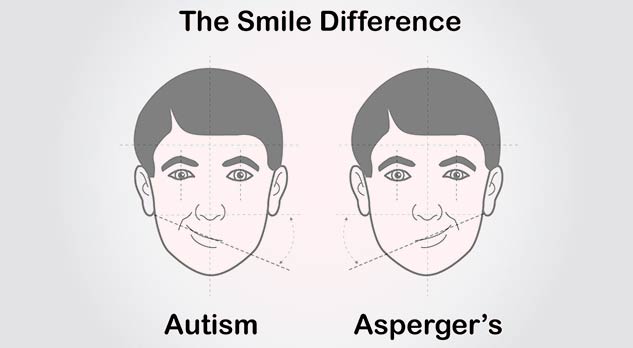
The DSM-5 revolutionized the classification of autism by combining previously separate conditions such as Asperger’s Disorder, Pervasive Developmental Disorder-Not Otherwise Specified (PDD-NOS), and Autistic Disorder into one consolidated diagnosis: Autism Spectrum Disorder. This paradigm shift was instrumental in emphasizing the spectrum’s breadth and the heterogeneity of symptom presentation. Elevated diagnostic precision fosters better intervention strategies tailored to individual needs, acknowledging the nuanced manifestations that vary from mild social communication difficulties to profound impairments.
Core Diagnostic Domains of Autism Spectrum Disorder
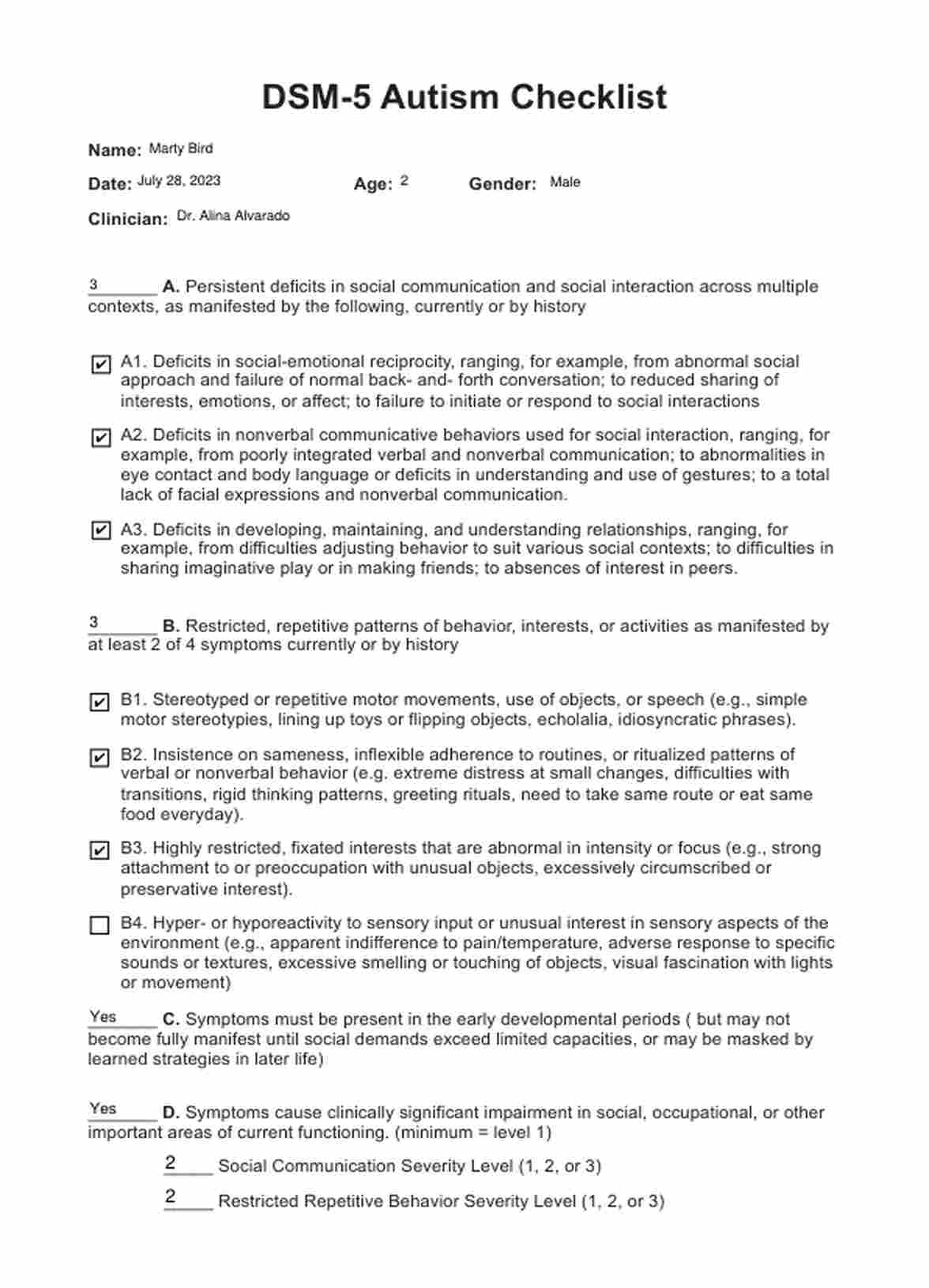
The DSM-5 delineates two primary domains critical for diagnosis: persistent deficits in social communication and social interaction; and restricted, repetitive patterns of behavior, interests, or activities. These criteria must manifest during the early developmental period, though sometimes symptoms may only fully emerge or become apparent later in life when social demands exceed limited capacities.
The social communication deficits include challenges in social reciprocity, nonverbal communicative behaviors, and developing, maintaining, and understanding relationships. Individuals may exhibit difficulties in initiating or responding in conversations, maintaining eye contact, or interpreting body language.
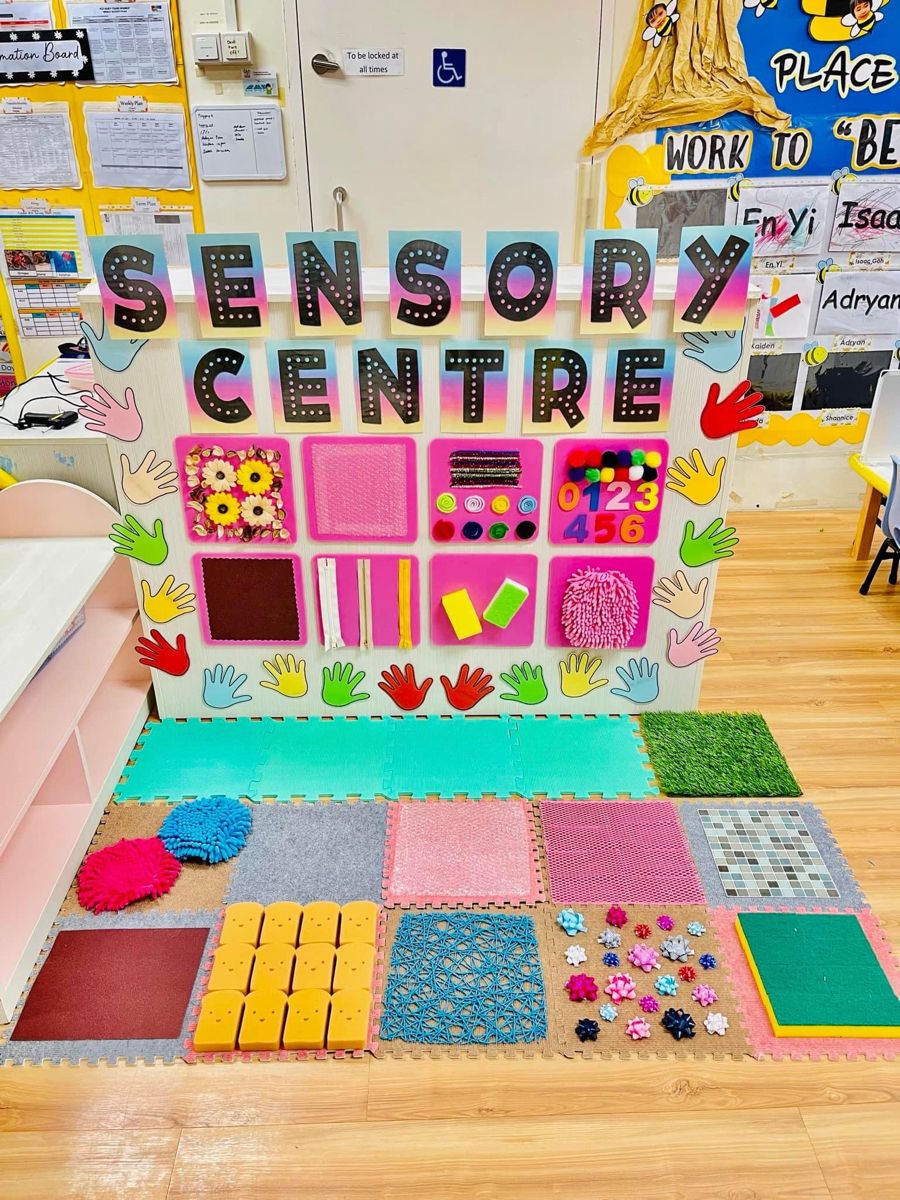
Conversely, the restricted and repetitive behaviors range from stereotyped motor movements to inflexible adherence to routines, highly fixated interests, or hyper- or hypo-reactivity to sensory input. These behaviors often serve as coping mechanisms to manage uncertainty or environmental stimuli.
Severity Levels and Clinical Implications
The DSM-5 introduces a dimensional approach by incorporating severity levels for each domain, measured by the amount of support an individual requires. This enables clinicians to specify the intensity of assistance across social communication and behavioral rigidity axes, allowing for personalized intervention plans. Level 1 corresponds to “requiring support,” whereas Level 3 signals a “requiring very substantial support” designation, reflecting profound impairments.
This stratified model enhances understanding of the functional impact of autism, aiding in the development of therapeutic modalities that address specific impairments rather than a one-size-fits-all approach. It also informs educational accommodations and community resources necessary to improve quality of life.
Exclusion Criteria and Differential Diagnosis
Accurate diagnosis mandates careful exclusion of other medical or psychiatric conditions that might mimic or coexist with ASD. Intellectual disability, language disorders, social anxiety, and other neurodevelopmental disorders require differential diagnostic consideration. The DSM-5 emphasizes that the social communication deficits should not be better explained by general developmental delays or psychotic disorders.
Moreover, co-occurring conditions such as Attention Deficit Hyperactivity Disorder (ADHD) are recognized, broadening the clinical complexity and underscoring the necessity of a comprehensive evaluation by multidisciplinary teams employing standardized tools and clinical judgment.
Resources and Content Formats for Understanding DSM-5 Criteria
There is a wealth of diverse content designed to facilitate comprehension and application of DSM-5 diagnostic criteria across audiences. These include checklists, flowcharts, infographics, and downloadable PDFs, each serving unique educational and clinical needs.
Checklists provide a structured, itemized inventory of symptoms, allowing clinicians and caregivers to systematically evaluate presence and severity of criteria. These pragmatic tools serve as screening adjuncts or comprehensive assessments, streamlining the diagnostic process.
Visual aids such as annotated screenshots and summaries help distill complex diagnostic language into accessible formats without sacrificing clinical rigor. These are particularly useful for training purposes and for families seeking clarity on evaluation protocols.

Furthermore, narrative case examples embedded within these resources bridge theory and real-world application. They elucidate how symptoms manifest uniquely across ages, genders, and cultural backgrounds, illustrating the spectrum nature of autism.
The Importance of Early and Accurate Diagnosis
Timely identification using DSM-5 benchmarks can profoundly influence the trajectory of intervention and support. Early diagnosis facilitates the implementation of evidence-based therapies targeting communication skills, social interaction, and adaptive behaviors, significantly improving long-term outcomes.
Comprehensive understanding of DSM-5 criteria by clinicians ensures consistency and reliability in diagnoses, fostering research advancements and enhancing epidemiological clarity. Families benefit from access to clear, multidimensional resources that empower informed decision-making throughout the diagnostic journey.
Conclusion
The DSM-5 Autism Spectrum Disorder diagnostic criteria represent a vital tool in capturing the heterogeneity and complexity of autism. Through detailed symptom domains, a dimensional severity model, and rigorous exclusion considerations, the framework provides a robust foundation for diagnosis and intervention. Diverse, thoughtfully designed content formats—including checklists and visual aids—augment the practical utility of this manual, enriching comprehension among clinicians and families alike.
Understanding the DSM-5 criteria is crucial to fostering empathy, guiding interventions, and ultimately supporting individuals with autism to thrive within their communities. As autism continues to be studied and understood, these diagnostic guidelines evolve into more nuanced, person-centered tools, acknowledging the full spectrum of human neurodiversity.