

The human mind is often likened to an intricate tapestry, woven with threads of varied textures and colors. Autism Spectrum Disorder (ASD) represents a unique and vibrant thread within this grand design—one that unfolds in myriad patterns and hues. Understanding autism is akin to exploring a vast spectrum of light, where no single shade dominates, but each contributes to a resplendent whole. This comprehensive primer endeavors to demystify autism, illuminating its facets for novices seeking clarity amidst complexity.
Decoding the Spectrum: What is Autism?
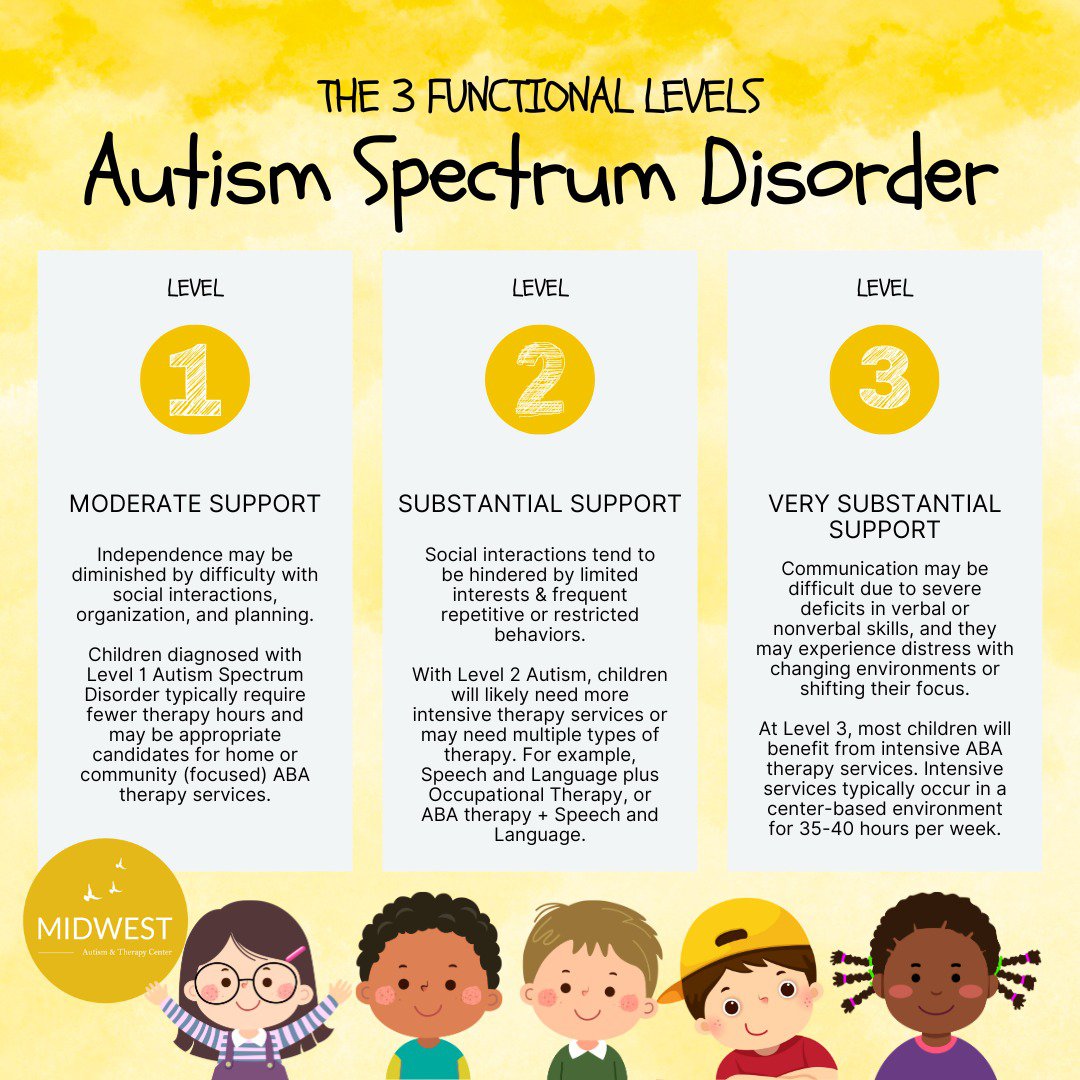
Autism Spectrum Disorder is a neurodevelopmental condition characterized by distinctive patterns of social interaction, communication, and behavior. Contrary to archaic notions of a monolithic diagnosis, autism resides on a continuum, encompassing an extensive range of experiences and abilities. The term “spectrum” aptly captures this diversity, symbolizing a polymorphous landscape rather than a fixed point.
Within this spectrum, individuals demonstrate a broad variability. Some may exhibit heightened sensory sensitivities whereas others engage deeply with focused interests. This fluidity challenges reductive labels and underpins the necessity to perceive autism as a multifaceted gestalt, not a singular archetype.
Recognizing the Signs: The Language of Differences
Signs of autism often manifest in early childhood but can sometimes emerge later, woven subtly into one’s developmental fabric. Social reciprocity may differ; eye contact, facial expressions, and gestures might not follow conventional norms. Communication too is reimagined—not lessened—with some individuals favoring alternative modalities such as picture exchange or augmentative devices.
Repetitive behaviors and a preoccupation with routines create a semblance of order in an otherwise turbulent world. These acts, from gentle rocking to the regimented arrangement of objects, are not mere quirks but crucial lifelines to stability and meaning. Understanding these behaviors reframes them as expressions of coping and creativity rather than deficits.
The Neurological Kaleidoscope: Brain and Sensory Perception
At its core, autism involves distinct neural wiring. Research reveals differential connectivity patterns in autistic brains, guiding unique modes of perception and cognition. Sensory information is often amplified or attenuated, creating experiences that may feel overwhelming or exceptionally vivid.
Consider the brain as a kaleidoscope, where each twist alters the visual interplay of colors and shapes. Similarly, autistic sensory processing creates a constantly shifting panorama of sensations—where sounds may resonate like melodies or crash like storms, and textures might soothe or agitate with equal intensity.
These neurological variations cultivate diverse cognitive strengths, such as exceptional attention to detail, pattern recognition, and memory. Embracing this kaleidoscopic view fosters appreciation for the ingenuity resident within the autistic profile.
Diagnosis and Assessment: Charting the Course
Diagnosis is a multifarious process, incorporating observational assessments, developmental histories, and standardized testing. Professionals often employ tools like the Autism Diagnostic Observation Schedule (ADOS) or employ visual aids like spectrum wheels to elucidate individual profiles.
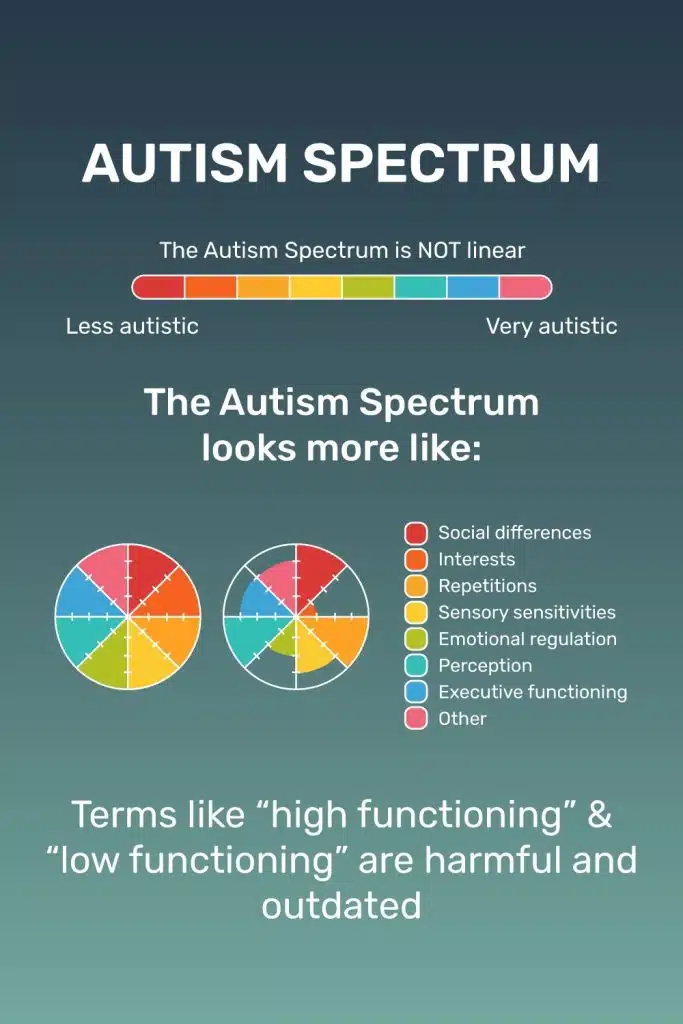
Evaluations are not merely clinical checkpoints but serve as navigational charts, guiding therapeutic interventions and support mechanisms. Early diagnosis can be a crucial compass, enabling timely assistance and fostering environments where autistic individuals can flourish.
Living the Spectrum: Strengths and Challenges
Autism encompasses a rich interplay of strengths and challenges, both intricately interwoven into daily life. Communication may require adaptation, yet many embrace alternative ways to forge meaningful connections. Intellectual capabilities vary widely, with some individuals demonstrating prodigious talents in mathematics, music, or art.
Conversely, difficulties with executive functioning might manifest, complicating organization, planning, or emotional regulation. Sensory overload can provoke anxiety, necessitating considerate pacing and supportive environments. Recognizing these dimensions cultivates empathy rather than judgment, driving societies toward inclusivity and respect.
Cultivating Inclusivity: Embracing Neurodiversity
The concept of neurodiversity posits that variations in neurology, including autism, represent natural human diversity—not disorders to be eradicated. This paradigm shift underscores acceptance and the valorization of different ways of being.
Communities and educators increasingly recognize the imperative to tailor strategies that honor individuality. From sensory-friendly spaces to personalized learning plans, embracing neurodiversity enriches collective human experience, transforming difference into strength.
The Journey Ahead: Hope and Advocacy
Understanding autism is not a terminal point but an ongoing journey—a continuum of learning, adaptation, and celebration. Advocacy plays a pivotal role, advocating for rights, dismantling stigma, and expanding opportunities for autistic individuals to thrive.
The spectrum beckons us to move beyond simplistic binaries of normal and abnormal toward a nuanced appreciation of cognition and identity. With increased awareness, empathy, and resources, society can evolve into a tapestry that honors every thread’s luminous potential.
Ultimately, Autism Spectrum Disorder is a call to embrace complexity with compassion and curiosity. It invites us to listen to voices that rhyme differently, to perceive the world through kaleidoscopic lenses, and to reimagine what it means to be human.












