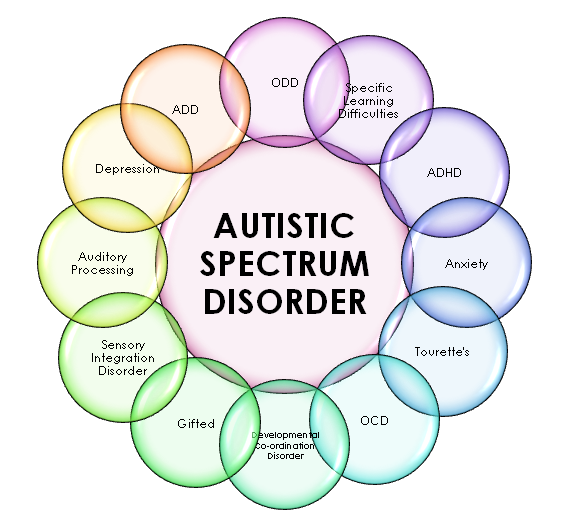
In an age marked by a burgeoning awareness of neurodiversity, the lexicon surrounding autism spectrum disorder (ASD) has expanded and evolved rapidly. For many, autism remains an enigmatic concept—an intricate tapestry woven with behaviors, traits, and challenges that spark curiosity and invite deeper understanding. This glossary serves not merely as a compendium of terms but as a gateway into the nuance and complexity inherent in autism, illuminating why this subject commands such enduring fascination.
Autism Spectrum Disorder (ASD)
Autism Spectrum Disorder is a neurodevelopmental condition characterized by a diverse range of cognitive, communicative, and social differences. It is termed a “spectrum” because individuals may exhibit a wide variety of strengths and challenges, which manifest differently across their lifespan. ASD is not a singular, monolithic diagnosis but a constellation of traits that can include difficulties with social interaction, repetitive behaviors, and heightened sensory sensitivities. The heterogeneity within the spectrum explains the complexity of both its clinical presentation and public perception, fostering interest in understanding the multifaceted nature of autism.
Neurodiversity
The concept of neurodiversity reframes autism and other neurological variations as natural and valuable forms of human diversity rather than pathologies. This term challenges paradigms rooted in deficit and dysfunction by celebrating differences in cognition and perception. Embracing neurodiversity allows for a more inclusive societal model that acknowledges the unique contributions of autistic individuals. Its emergence has heightened collective curiosity by encouraging us to reconsider normative standards of behavior and cognition, prompting profound questions about identity, acceptance, and privilege.
Stimming
“Stimming,” short for self-stimulatory behavior, encompasses repetitive movements or sounds often exhibited by autistic individuals. Examples include hand-flapping, rocking, or vocal repetitions. These behaviors serve myriad functions—from self-regulation and sensory modulation to emotional expression. Rather than merely being perceived as quirks, stimming provides an illuminating window into the autistic experience, revealing how sensory processing and emotional states intertwine. The complexity underlying stimming informs a richer dialogue surrounding sensory needs and emotional resilience.
Sensory Processing
Sensory processing involves the way the nervous system senses, interprets, and responds to sensory stimuli. Many autistic individuals experience sensory integration differences that lead to hypersensitivity or hyposensitivity across visual, auditory, tactile, olfactory, or gustatory modalities. This can result in sensory overload or an acute awareness of stimuli that neurotypical individuals seldom notice. Understanding sensory processing differences is crucial because it explains behaviors that might otherwise be misunderstood and sheds light on the perceptual world of autism—an often invisible yet profound facet of human experience.
Theory of Mind
The “Theory of Mind” is the capacity to attribute mental states—beliefs, intents, desires, emotions—to oneself and others and to understand that others have perspectives different from one’s own. Many autistic individuals have variations in this cognitive ability, which influences social communication and empathy. The exploration of Theory of Mind has captivated psychologists and neuroscientists alike because it lies at the heart of social interaction and mutual understanding. The fascination with this concept underscores a broader quest to comprehend how minds connect and diverge.
Masking
Masking refers to the conscious or unconscious suppression of autistic traits in social contexts to blend in or avoid stigma. While it can facilitate smoother interactions, prolonged masking often engenders significant psychological strain and exhaustion. This compelling phenomenon reveals deep societal pressures and the emotional labor involved in conforming to unwritten social norms. Exploring masking invites reflection on authenticity, mental health, and the cost of invisibility, which resonates widely beyond autism communities.
Executive Functioning
Executive functioning encapsulates a suite of cognitive processes including planning, working memory, impulse control, and flexible thinking. These functions are often areas of challenge for autistic individuals, impacting daily task management and decision-making. The intricacy of executive functioning delves into how the brain orchestrates complex behaviors and adapts to shifting demands. Its examination opens pathways to tailored support strategies and enriches our understanding of human cognition’s variabilities.
Echolalia
Echolalia denotes the repetition of phrases or sounds, which can be immediate or delayed. It is a common communicative behavior in autism, serving purposes such as language learning, self-soothing, or processing information. Though sometimes misinterpreted as nonsensical, echolalia signifies a nuanced form of expression and cognitive engagement. Delving into echolalia challenges simplistic perceptions of communication and accentuates the diversity of linguistic pathways.
Applied Behavior Analysis (ABA)
Applied Behavior Analysis is a widely used therapy focusing on reinforcing positive behaviors and reducing behaviors considered maladaptive. ABA employs data-driven approaches with discrete goal-setting aimed at improving functional skills. The method has ignited debate—acclaim for its effectiveness is counterbalanced by concerns over its rigidity and potential suppression of autistic identity. This critical dialogue about ABA underscores the evolving ethics and priorities in autism intervention, highlighting the balance between support and respect for individuality.
Self-Advocacy
Self-advocacy embodies the empowerment of autistic individuals to articulate their needs, rights, and identities. It represents a paradigm shift from passive recipients of care to active agents of change. The growth of self-advocacy movements nurtures a nuanced appreciation for autistic voices and experiences, fostering inclusivity and reform. Its significance resonates beyond personal agency, encompassing broader societal transformation and alliance-building.

Autism’s lexicon is much more than technical jargon; it holds the keys to understanding the rich diversity and depth of autistic experience. The enduring fascination with autism arises from its challenge to established norms and its invitation to rethink what it means to be human. As knowledge deepens, so does empathy—transforming curiosity into profound respect. This glossary is but a starting point, encouraging an ongoing journey toward greater awareness, acceptance, and celebration of neurodiversity in all its splendid complexity.