Autism, a neurodevelopmental condition characterized by social communication challenges and restricted, repetitive behaviors, has long been shrouded in misunderstanding across much of Africa. Yet beneath the surface of cultural stigma and resource scarcity, a quiet revolution is unfolding—one that promises to redefine how societies perceive, diagnose, and support autistic individuals. From the bustling streets of Lagos to the serene highlands of Ethiopia, communities are awakening to the reality that autism is not a curse or a distant phenomenon, but a lived experience demanding attention, empathy, and systemic change. This transformation is not merely about medical recognition; it is about dismantling decades of silence and replacing it with a chorus of voices advocating for inclusion, education, and dignity.
The journey toward understanding autism in Africa is as complex as the continent itself. With over 54 countries, each with its own languages, traditions, and healthcare infrastructures, the challenges are as varied as the solutions emerging in response. In some regions, autism remains conflated with intellectual disability or psychiatric disorders, while in others, families grapple with the absence of diagnostic tools or trained professionals. Yet, against these odds, grassroots movements, pioneering clinicians, and digital innovators are forging new pathways—ones that could set a global precedent for inclusive care. This narrative explores the multifaceted landscape of autism in Africa, where the past’s shadows are giving way to a future of promise, resilience, and unyielding progress.
The Weight of Misconception: How Cultural Narratives Shape Perception
In many African societies, autism is often misunderstood through the lens of superstition or moral failing. The phrase “child of the moon,” used in parts of West Africa, reflects a belief that autism is a celestial affliction—a punishment or a blessing from the divine rather than a neurological difference. Such beliefs, while rooted in cultural richness, can delay diagnosis and access to support by years, if not decades. Families may turn to traditional healers or spiritual interventions before considering medical evaluation, perpetuating cycles of isolation and delayed intervention.
These misconceptions are not confined to rural areas; even urban centers grapple with outdated stereotypes. In South Africa, for instance, autism was historically lumped under broader categories like “mental retardation,” a term now widely discredited. The legacy of apartheid further exacerbated disparities, leaving marginalized communities with limited access to specialized care. Today, advocates are challenging these narratives head-on, leveraging storytelling and education to reframe autism as a natural variation of human diversity rather than a deviation from the norm.

The Diagnostic Desert: Where Access to Care Remains Elusive
For many families across Africa, the first step toward support—a formal diagnosis—remains a distant dream. The continent faces a severe shortage of child psychiatrists, psychologists, and developmental specialists, with entire regions operating without a single trained professional. In countries like Chad or Somalia, the ratio of psychiatrists to population can be as low as one per million, a statistic that starkly contrasts with the global average. Even where professionals exist, their services are often concentrated in major cities, leaving rural families to navigate bureaucratic hurdles or financial barriers to access care.
Compounding this issue is the lack of standardized diagnostic tools tailored to African contexts. Many assessments, such as the ADOS-2 or M-CHAT, were developed in Western settings and may not account for cultural nuances in behavior or communication. For example, eye contact avoidance, often flagged as a red flag in autism screenings, may be interpreted differently in cultures where direct gaze is considered disrespectful. Without culturally sensitive adaptations, misdiagnosis or missed diagnoses are rampant, leaving countless individuals without the interventions they need.
Yet, innovation is beginning to bridge this gap. In Kenya, organizations like the Africa Autism Network are training local healthcare workers to use simplified, culturally adapted screening tools. Meanwhile, telemedicine initiatives are connecting families in remote areas with specialists abroad, offering real-time consultations and reducing the need for costly travel. These efforts are not just about access; they are about reclaiming agency in a system that has long overlooked African voices in autism discourse.
Education in Crisis: The Struggle for Inclusive Learning
The classroom, a space meant to nurture growth, often becomes a battleground for autistic children in Africa. Mainstream schools, designed for neurotypical students, frequently lack the resources or training to accommodate diverse learning needs. Teachers, already stretched thin by overcrowded classrooms and limited budgets, may resort to exclusionary practices—segregating autistic children or, in extreme cases, refusing enrollment altogether. The result is a silent epidemic of educational neglect, where potential is stifled before it can flourish.
In Nigeria, for example, only a fraction of schools offer inclusive education, and those that do often rely on outdated models that prioritize compliance over individuality. Autistic students may be placed in “special units” that segregate them from their peers, reinforcing stigma and limiting social development. Meanwhile, in Ghana, the government has taken strides by passing the Inclusive Education Policy, but implementation remains inconsistent, with many teachers lacking the tools to adapt curricula for neurodiverse learners.
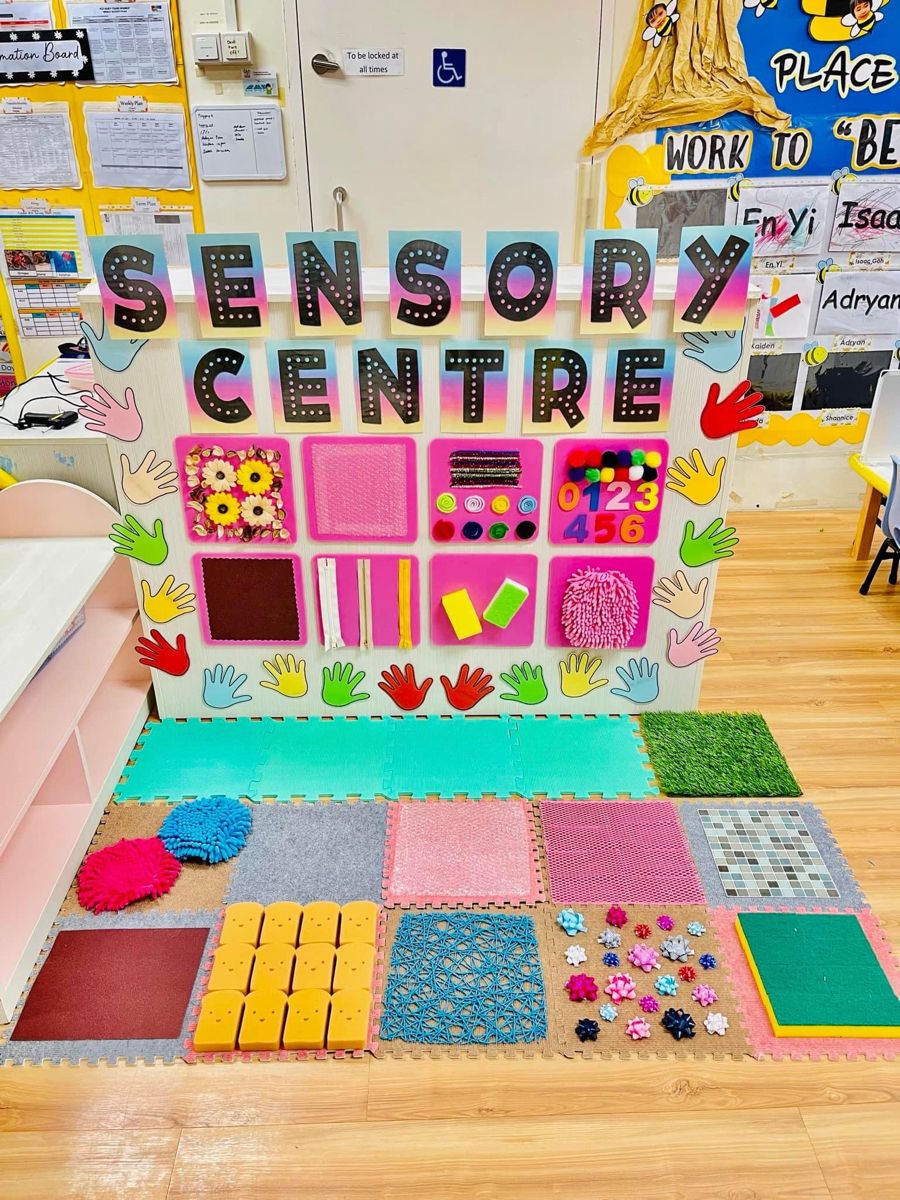
The tide is turning, however, as parents and advocates demand change. In South Africa, the Autism South Africa organization has pioneered teacher training programs that emphasize sensory-friendly classrooms and individualized learning plans. Similarly, in Uganda, the Umbrella of Hope Initiative is working with schools to create “quiet rooms” where autistic students can retreat when overwhelmed. These initiatives are not just about compliance with disability rights laws; they are about reimagining education as a space where every child, regardless of neurology, can thrive.

The Power of Community: Grassroots Movements Rewriting the Narrative
While systemic change is slow, the most transformative shifts are often born from the ground up. Across Africa, autistic individuals and their families are forming tight-knit communities that challenge isolation and foster belonging. In Morocco, the Autism Morocco Association has become a lifeline for families, offering support groups, vocational training, and public awareness campaigns. Their work has not only educated the public but also pressured policymakers to prioritize autism services in national health agendas.
These movements are not confined to urban centers. In rural Kenya, the Maisha Autism Foundation runs mobile clinics that bring diagnostic services and therapy to remote villages. Their approach is holistic, addressing not just the individual’s needs but also the cultural and socioeconomic barriers that impede support. By involving local leaders and elders in their programs, they ensure that autism awareness is woven into the fabric of community life, rather than imposed from the outside.
Perhaps most inspiring is the rise of autistic self-advocates across the continent. In South Africa, the #AutismInAfrica campaign, led by autistic adults, has amplified voices that were long silenced by stigma. These advocates are not just sharing their stories; they are reshaping the conversation around autism, emphasizing strengths like hyperfocus, deep empathy, and unique problem-solving skills. Their message is clear: autism is not a tragedy to be managed, but a perspective to be celebrated.
Technology as a Catalyst: Digital Solutions for a New Era
The digital revolution is democratizing access to autism support in ways previously unimaginable. In Nigeria, the startup Autism Care Africa has developed a mobile app that connects families with therapists, provides developmental milestone trackers, and offers multilingual resources tailored to local dialects. Meanwhile, in Egypt, the AI-powered platform “Autism Detect” uses machine learning to analyze home videos of children, flagging potential red flags for early intervention—a tool that could revolutionize diagnosis in regions with few specialists.
Social media has also become a powerful tool for connection and advocacy. Platforms like Facebook and WhatsApp host private groups where African parents share resources, vent frustrations, and celebrate milestones. These virtual communities transcend geographical boundaries, creating a sense of solidarity that was once impossible. For many, these spaces are the first place they feel seen—a stark contrast to the isolation imposed by traditional healthcare systems.
Yet, technology is not a panacea. The digital divide remains a stark reality, with rural populations often lacking internet access or smartphones. To bridge this gap, organizations are exploring low-tech solutions, such as SMS-based support systems or community radio programs that broadcast autism awareness in local languages. The key is to ensure that innovation serves all, not just the privileged few.
A Glimpse of the Future: Policy Shifts and Global Solidarity
The winds of change are blowing through Africa’s autism landscape, driven by both local activism and international collaboration. In 2022, the African Union adopted the Continental Strategy on Autism, a landmark policy that calls for increased funding, research, and inclusion across member states. This strategy is not just a piece of paper; it is a rallying cry for governments to prioritize autism in their agendas, from healthcare to education to employment.
Global partnerships are also playing a crucial role. Organizations like the World Health Organization and Autism Speaks have begun funding initiatives in Africa, though critics argue that such collaborations must be led by African voices to avoid perpetuating neocolonial dynamics. The most successful programs are those that blend international expertise with local knowledge, ensuring that solutions are culturally relevant and sustainable.
Looking ahead, the future of autism in Africa hinges on three pillars: education, empowerment, and equity. Education must extend beyond schools to include families, healthcare workers, and policymakers. Empowerment means centering the voices of autistic individuals in decision-making processes. Equity demands that resources be distributed fairly, with a focus on reaching the most marginalized communities. When these pillars are strengthened, Africa could become a model for inclusive autism care—a continent that turns its challenges into opportunities for transformation.

The story of autism in Africa is still being written, but the ink is flowing with hope. It is a story of resilience in the face of adversity, of communities reclaiming their narratives, and of a continent refusing to be left behind. As awareness grows and systems evolve, the promise of a more inclusive future becomes not just a dream, but an inevitable reality. For those who have spent lifetimes advocating in the shadows, this is their moment to step into the light—and for the world to finally listen.