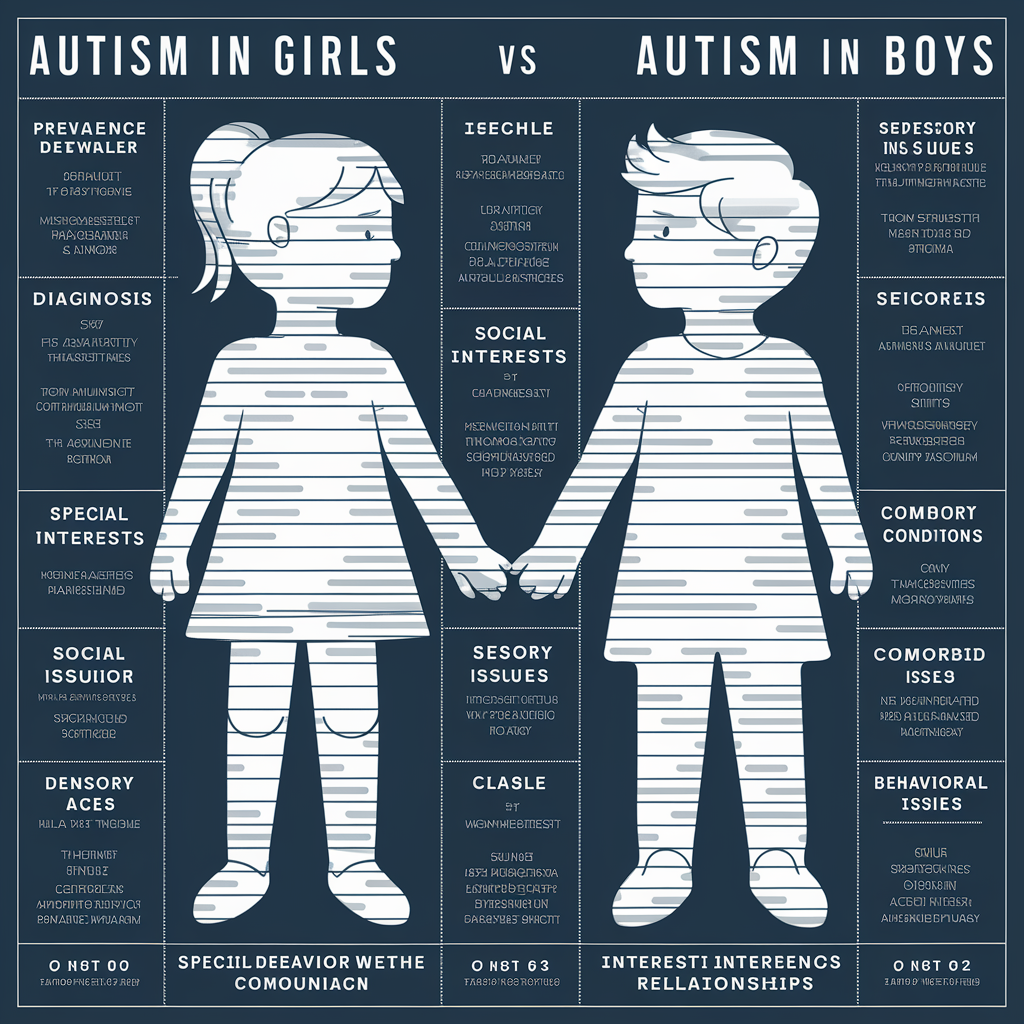
Have you ever wondered why autism seems to manifest differently in boys and girls? It’s not just a matter of numbers—though boys are diagnosed more frequently, the way autism presents in girls often flies under the radar. What if the very traits that make girls with autism unique are the ones that mask their condition? The challenge isn’t just in recognizing autism; it’s in unraveling the subtle, often overlooked nuances that distinguish its expression across genders.
Autism spectrum disorder (ASD) is a complex neurodevelopmental condition, and its presentation varies widely. Yet, gender plays a pivotal role in shaping these variations. Boys and girls with autism may share core challenges in social communication and restricted interests, but the how and why behind these struggles diverge in ways that can lead to misdiagnosis or delayed support. Understanding these differences isn’t just academic—it’s a lifeline for those who’ve spent years feeling like outsiders in their own lives.
The Social Mask: How Girls Blend In Where Boys Stand Out
Picture this: a classroom where a boy with autism might stim openly—flapping his hands, repeating phrases, or struggling to make eye contact. Now imagine a girl in the same room, quietly observing her peers, mimicking their social cues, and masking her discomfort with practiced smiles. To the untrained eye, she might seem merely shy or anxious. But beneath the surface, she’s expending Herculean effort to fit in, often at the cost of her own well-being.
Girls with autism frequently develop compensatory strategies—unconscious techniques to camouflage their difficulties. They might force themselves to maintain eye contact, even when it feels agonizing. They study social scripts like actors preparing for a role, memorizing responses to common questions. This hyper-awareness of social norms can make their autism invisible, not because it’s absent, but because it’s been meticulously disguised. Meanwhile, boys with autism are more likely to externalize their struggles, drawing attention through behaviors that disrupt rather than conform.
The consequences of this masking are profound. Girls may internalize their challenges, leading to anxiety, depression, or a fractured sense of self. They might be misdiagnosed with conditions like ADHD or borderline personality disorder, their autism buried beneath layers of learned behavior. The irony? The very skills that help them navigate a neurotypical world can delay the support they desperately need.

Interests and Obsessions: Quantity vs. Quality
Autism is often associated with intense, narrow interests—think of the boy who can recite every dinosaur species or the girl who spends hours researching obscure historical events. But here’s the twist: the nature of these interests can differ dramatically between genders. Boys are more likely to fixate on objects or systems—trains, video games, or the inner workings of machinery. Girls, on the other hand, often gravitate toward people-centric topics, like animals, literature, or even fictional characters.
This distinction isn’t trivial. A boy’s interest in trains might be dismissed as a quirky hobby, while a girl’s fascination with animals could be celebrated as a sign of empathy. Yet both are manifestations of the same neurological wiring. The difference lies in societal expectations: we reward girls for being socially attuned, even if their interests are equally intense. For boys, their passions are often more visibly “unusual,” making them stand out in ways that can lead to earlier intervention—or stigma.
There’s another layer to this: the social currency of interests. Boys with autism might bond over shared fixations, creating communities around their passions. Girls, however, may struggle to find peers who share their niche interests, leading to isolation. Their obsessions might be seen as “cute” or “quirky,” but rarely as the cornerstone of a potential friendship. This disparity can reinforce feelings of alienation, pushing girls further into the shadows of their own minds.
Sensory Sensitivities: The Invisible Overload
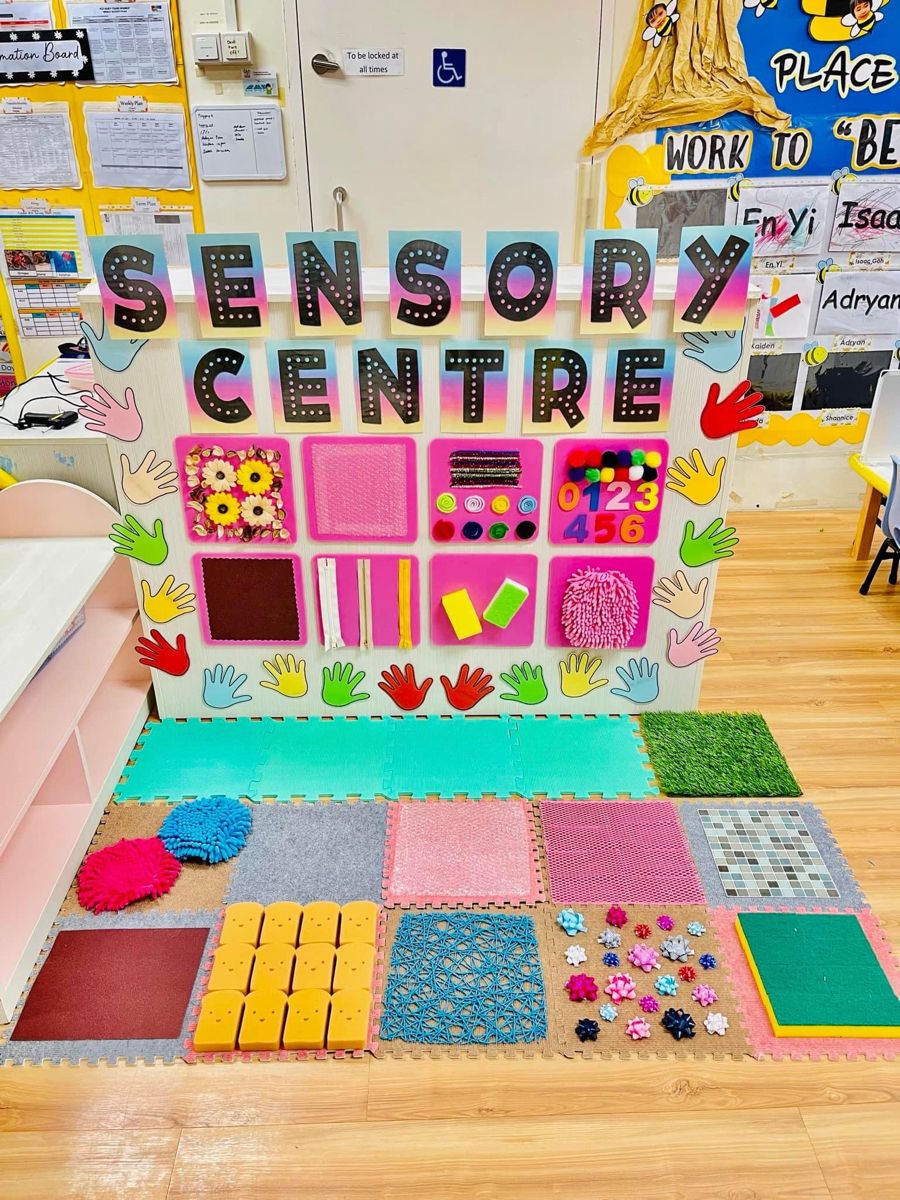
Sensory processing differences are a hallmark of autism, but the way they manifest can vary by gender. Boys with autism are more likely to exhibit overt sensory-seeking behaviors—rocking, spinning, or crashing into objects to regulate their nervous systems. Girls, however, often internalize these sensitivities, leading to what’s known as sensory overload without the accompanying physical displays.
Imagine a girl sitting in a classroom, her fingers drumming against her desk in a desperate attempt to ground herself. The fluorescent lights buzz overhead, the scent of cleaning products stings her nose, and the chatter of her classmates feels like a cacophony of nails on a chalkboard. She doesn’t flap her arms or rock back and forth, but her body is screaming for escape. To an observer, she might just seem “fussy” or “overly sensitive.” The reality? Her brain is in full meltdown mode, and she’s fighting to keep it together.
This internalization extends to other sensory domains. Girls with autism might be more sensitive to textures in clothing, the taste of certain foods, or the sound of chewing. They may develop elaborate coping mechanisms—wearing seamless socks, avoiding certain fabrics, or chewing on objects—to manage their discomfort. These adaptations often go unnoticed, leaving them to bear the brunt of their sensory world alone.

The Diagnostic Divide: Why Girls Are Overlooked
The gender gap in autism diagnoses is staggering. Boys are diagnosed at rates four times higher than girls, but this isn’t because autism is inherently less common in females—it’s because the diagnostic criteria were developed with boys in mind. The DSM-5 criteria for autism emphasize behaviors like limited eye contact, repetitive movements, and restricted interests, all of which are more readily apparent in boys. Girls, with their masked social struggles and internalized sensitivities, often slip through the cracks.
Compounding this issue is the double empathy problem—the idea that autistic individuals struggle to connect with neurotypical people, and vice versa. For girls, this disconnect is exacerbated by societal expectations that demand conformity. They’re expected to be “sugar and spice,” to be empathetic and agreeable. When they fail to meet these expectations, the blame is often placed on them rather than on a system that doesn’t accommodate their differences.
Even when girls are referred for evaluation, they may be misdiagnosed with conditions like anxiety, depression, or ADHD. Their social difficulties are attributed to shyness or introversion, their sensory sensitivities to “being picky,” and their intense interests to “just being studious.” By the time their autism is recognized, years of self-doubt and exhaustion have taken their toll. The delay in diagnosis can have lifelong repercussions, from academic struggles to mental health crises.
Breaking the Cycle: Support Tailored to Gender Differences
So, how do we bridge this gap? The first step is recognizing that autism doesn’t look the same in everyone. For girls, this means looking beyond the surface—asking about their inner experiences rather than just their outward behaviors. Are they exhausted after social interactions? Do they have a “safe” interest they retreat to when overwhelmed? These clues can be more telling than the standard diagnostic checklist.
For boys, the focus should be on creating environments where their differences are not just tolerated but understood. Sensory-friendly spaces, clear routines, and opportunities for stimming can make a world of difference. Meanwhile, girls need safe outlets to express their struggles without fear of judgment. Support groups, therapy tailored to autistic women, and accommodations in school or work can help them thrive.
It’s also crucial to challenge the stereotypes that perpetuate these disparities. Autism isn’t a “boy thing” or a “girl thing”—it’s a spectrum that defies gender norms. By expanding our understanding of how autism presents across genders, we can ensure that no one is left behind in the shadows of their own mind.

The differences between autism in boys and girls aren’t just interesting—they’re essential. They hold the key to unlocking earlier diagnoses, more effective support, and a world where autistic individuals of all genders can thrive. The next time you meet someone who seems “a little different,” ask yourself: what if their differences aren’t flaws, but clues? What if the real challenge isn’t in changing them, but in changing how we see them?