The mosaic of Europe, with its tapestry of cultures, languages, and histories, has long been a crucible for innovation in social policy. Nowhere is this more evident than in the realm of autism advocacy and support, where the continent has emerged as a laboratory of progressive thought and action. Autism in Europe is not merely a medical or educational concern—it is a societal narrative, one that unfolds across the continent’s diverse landscapes, from the fjords of Scandinavia to the sun-drenched shores of the Mediterranean. This story is not just about policies and practices; it is about the quiet revolutions in perception, the dismantling of barriers, and the cultivation of environments where neurodiversity is not just tolerated but celebrated. To understand autism in Europe is to witness a continent in the throes of redefining what it means to belong.
The Continent’s Patchwork of Progress: A Kaleidoscope of Policies
Europe’s approach to autism is as varied as its geography. Each nation crafts its response to the needs of autistic individuals, creating a kaleidoscope of policies that reflect local values, resources, and priorities. In the Nordic countries, where social welfare systems are deeply ingrained, autism is often addressed through comprehensive, state-funded interventions. Denmark, for instance, has pioneered early intervention programs that integrate behavioral therapy with educational support, ensuring that autistic children receive tailored assistance from the moment their differences are identified. The result is a society where autism is not a stigma but a recognized facet of human diversity, met with structured yet flexible frameworks.
Contrast this with the Mediterranean nations, where cultural attitudes toward disability have historically been intertwined with family-centric values. In Italy, the legacy of the Basaglia Law—a revolutionary deinstitutionalization movement—has left an indelible mark on autism support. Here, the emphasis is on community integration, with autistic individuals often remaining within familial structures while accessing specialized services. The approach is less about institutionalized care and more about weaving support into the fabric of daily life, a testament to the power of cultural resilience in shaping policy.
Yet, even within this diversity, a common thread emerges: the recognition that autism is not a monolith. Policies must be as fluid as the individuals they serve. The European Union’s Autism Spectrum Disorder in Europe (ASDEU) project underscores this, revealing that while some nations have made strides in early diagnosis and intervention, others lag behind in training educators and healthcare professionals. The continent’s challenge is not just to harmonize policies but to ensure they are as dynamic as the people they aim to support.

Education: The Classroom as a Canvas for Inclusion
The classroom is where the rubber meets the road in autism advocacy. Across Europe, education systems are being reimagined as spaces where neurodiversity is not just accommodated but nurtured. In the United Kingdom, the Autism Education Trust has championed a tiered approach to inclusion, where schools are equipped with specialized training for teachers and resources for autistic students. The goal is not to force square pegs into round holes but to reshape the holes themselves, ensuring they fit the unique contours of every learner.
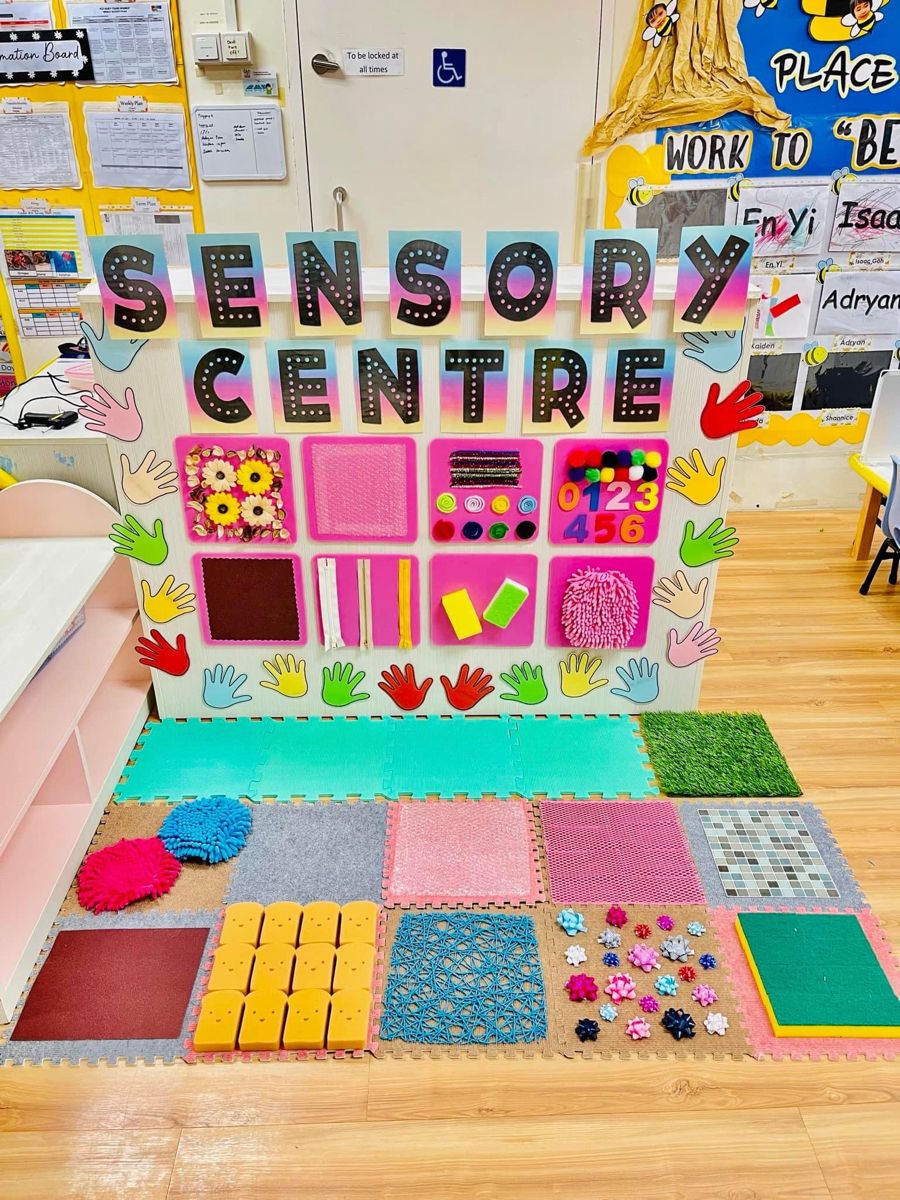
In France, the landscape is more fraught. The country’s centralized education system has long struggled with the rigid structures that often exclude neurodivergent students. However, recent reforms have begun to chip away at these barriers, with pilot programs introducing sensory-friendly classrooms and individualized learning plans. The shift is subtle but significant—a recognition that education must be as adaptable as the minds it serves.
Meanwhile, in the Netherlands, the Passend Onderwijs (appropriate education) system has redefined inclusion by placing the onus on schools to tailor their approaches to each student’s needs. This decentralized model empowers educators to innovate, whether through assistive technologies, flexible scheduling, or sensory-friendly environments. The result is a generation of autistic students who are not just surviving in the classroom but thriving, their potential unlocked by systems designed to meet them where they are.
The key to this transformation lies in the collaboration between educators, families, and policymakers. In Germany, the Autismus Deutschland organization has pioneered a model where parents are active participants in their child’s educational journey, working alongside teachers to create personalized learning paths. This tripartite approach ensures that the support is not just top-down but rooted in the lived experiences of those it serves.
Employment: Breaking the Glass Ceiling of Opportunity
For many autistic individuals, the transition from education to employment is fraught with invisible barriers. Europe is gradually dismantling these obstacles, though progress remains uneven. In Sweden, companies like Specialisterne have pioneered neurodiversity-inclusive hiring practices, recognizing that autistic employees bring unique strengths to the workplace—precision, pattern recognition, and an unwavering focus on detail. The model is simple yet revolutionary: match the right person to the right job, and watch productivity and innovation flourish.
In Ireland, the AsIAm organization has taken a different tack, advocating for workplace accommodations that go beyond the conventional. From quiet rooms to flexible hours, the focus is on creating environments where autistic individuals can thrive without the constant pressure to conform. The result is a workforce that is not just diverse but dynamic, with autistic employees driving creativity and problem-solving in ways that neurotypical paradigms often overlook.
Yet, challenges persist. In Eastern Europe, where social services are still catching up to Western standards, autistic adults often face unemployment or underemployment. The stigma of disability runs deep, and the lack of structured support systems can leave individuals adrift in a sea of unmet potential. Here, grassroots organizations are stepping into the breach, offering vocational training and job placement services that bridge the gap between aspiration and reality.
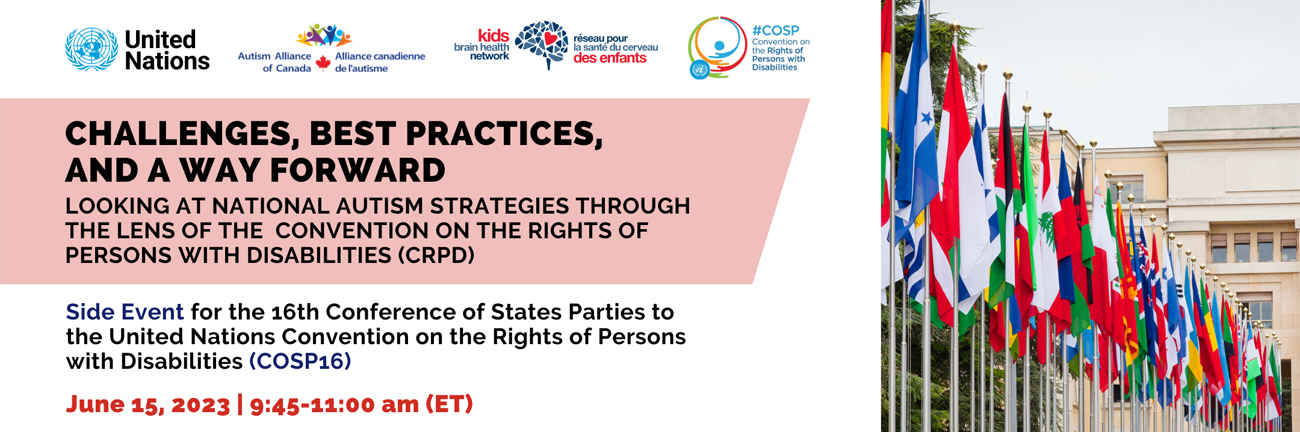
The European Disability Strategy 2021-2030 aims to address these disparities by mandating that member states adopt inclusive employment policies. But the true measure of success will lie in the stories of those who benefit—individuals like the autistic software developer in Finland who found his calling in coding, or the artisanal baker in Spain whose sensory sensitivities led to a career in a field where precision and creativity intersect. These are the narratives that will define Europe’s next chapter in autism advocacy.
Healthcare: The Delicate Dance of Diagnosis and Support
Healthcare systems across Europe are grappling with the complexities of autism diagnosis and support, where the line between clinical intervention and societal acceptance is often blurred. In Belgium, the Autisme Centraal initiative has redefined diagnostic pathways by emphasizing multidisciplinary teams that include psychologists, speech therapists, and occupational therapists. The approach is holistic, recognizing that autism is not just a set of behaviors but a constellation of needs that require a nuanced response.
In Poland, the healthcare system has historically lagged in autism awareness, with long wait times for diagnosis and limited access to specialized therapies. However, recent reforms have begun to address these gaps, with the introduction of early screening programs and telehealth services that bring expertise to remote areas. The shift is incremental but vital—a step toward ensuring that no child or adult is left in the diagnostic dark.
Yet, even in nations with advanced healthcare systems, challenges remain. In the UK, the National Institute for Health and Care Excellence (NICE) guidelines recommend a combination of behavioral interventions and pharmacological treatments, but the reality is often a patchwork of services that vary by region. The postcode lottery of healthcare access means that an autistic child in London may receive vastly different support than one in Liverpool, a disparity that underscores the need for systemic equity.
The future of autism healthcare in Europe lies in the integration of technology and personalized medicine. Countries like Estonia are leading the charge with digital health records that track an individual’s progress across therapies, while others are exploring the potential of AI-driven diagnostic tools. The goal is not just to treat autism but to understand it—an endeavor that requires both scientific rigor and compassionate care.
The Cultural Shift: From Stigma to Celebration
The most profound changes in Europe’s approach to autism are not just legislative or systemic—they are cultural. The continent is witnessing a quiet revolution in perception, where autism is no longer viewed through the lens of deficit but as a form of human diversity to be embraced. This shift is evident in the arts, where autistic artists are gaining recognition for their unique perspectives. In Spain, the Fundación Orange has championed the inclusion of autistic artists in galleries and exhibitions, challenging the notion that neurodiversity and creativity are mutually exclusive.
In the UK, the National Theatre has collaborated with autistic performers to create productions that reflect their experiences, breaking down the barriers between stage and audience. These initiatives are not just about representation; they are about redefining the narrative of autism itself, moving from a story of limitation to one of possibility.
The media, too, plays a pivotal role in this cultural transformation. In Germany, the television series Der Tatortreiniger featured an autistic character, portrayed with nuance and depth, challenging stereotypes and sparking conversations. Such portrayals are vital in shaping public perception, ensuring that autism is not reduced to a caricature but understood as a complex and multifaceted experience.
Yet, the journey is far from over. In some corners of Europe, stigma persists, rooted in outdated beliefs and a lack of awareness. The challenge now is to sustain this momentum, to ensure that the cultural shift is not just a fleeting trend but a lasting transformation. It requires the collective effort of families, educators, policymakers, and society at large—a commitment to seeing autism not as a problem to be solved but as a thread in the rich tapestry of human experience.
The Road Ahead: A Continent United by Diversity
Europe’s approach to autism is a testament to the power of diversity—not just in the individuals it serves but in the systems it builds. The continent is a living laboratory, where policies and practices are constantly evolving, shaped by the needs and aspirations of those they aim to support. The road ahead is not without its obstacles, but the progress is undeniable. From the early intervention programs of Scandinavia to the inclusive employment initiatives of Western Europe, the continent is forging a path that others can follow.
The key to this progress lies in the recognition that autism is not a monolithic experience but a spectrum of possibilities. It demands flexibility, creativity, and a willingness to challenge the status quo. Europe’s strength lies in its ability to embrace this complexity, to weave together the threads of policy, education, healthcare, and culture into a cohesive narrative of inclusion.
As the continent continues to navigate this journey, one thing is clear: the future of autism in Europe will not be defined by a single policy or practice but by the collective efforts of a society that refuses to leave anyone behind. It is a future where neurodiversity is not just accepted but celebrated—a future where every individual, regardless of their neurology, has the opportunity to thrive.
The mosaic of Europe is incomplete without the vibrant hues of autism. It is time to paint this picture in full color.