The mosaic of human cognition is not a monolith—it is a kaleidoscope, refracting light into patterns as varied as the individuals who embody them. Nowhere is this truth more palpable than in North America, where the conversation around autism has evolved from whispered stigma to a resounding chorus of advocacy and awareness. This shift is not merely a societal correction; it is a cultural awakening, one that demands we peer beyond the surface to understand the intricate layers beneath. Autism, often misrepresented as a monochromatic challenge, is in fact a spectrum as vibrant as the autumn foliage of New England, each hue telling a story of resilience, innovation, and untapped potential.
The Tapestry of Neurodiversity: Unraveling the Spectrum
To speak of autism is to acknowledge a spectrum so expansive it defies linear description. Imagine a vast, undulating prairie, where each blade of grass sways to its own rhythm—some tall and unyielding, others delicate and swaying with the slightest breeze. This is the essence of neurodiversity: a recognition that cognitive differences are not deviations from a norm but variations of the human experience. In North America, this understanding has begun to take root, though not without resistance. The traditional medical model, which once framed autism as a deficit to be “fixed,” is gradually giving way to a more nuanced perspective—one that celebrates the unique strengths and perspectives autistic individuals bring to the table.
Consider the way an autistic mind processes information. While neurotypical brains often filter stimuli in a linear fashion, autistic cognition can resemble a web, where connections form in unexpected, lightning-fast bursts. This is not a flaw; it is a different architecture of thought. In fields as diverse as technology, art, and science, autistic individuals have demonstrated an ability to perceive patterns and solve problems with a clarity that eludes conventional approaches. The North American workplace, once a rigid structure of conformity, is slowly beginning to recognize the value of this cognitive diversity. Companies like SAP and Microsoft have pioneered neurodiversity hiring initiatives, transforming their environments into spaces where different minds can thrive. Yet, the journey is far from complete. For every step forward, there are lingering misconceptions—autism as a barrier rather than a bridge to innovation.
Advocacy as a Catalyst: From Silence to Solidarity
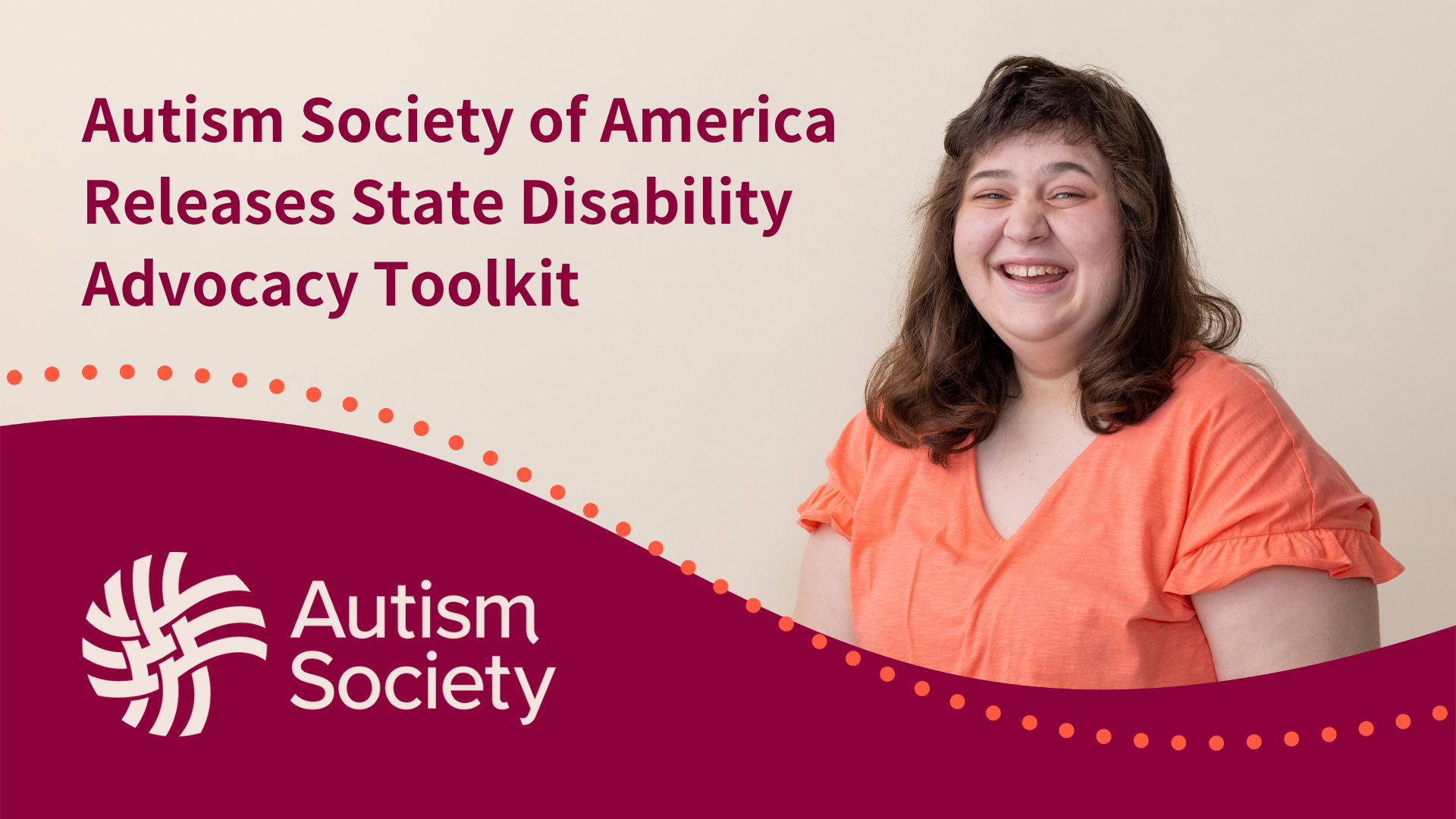
Advocacy is the alchemy that transforms awareness into action. In North America, the push for autism advocacy has been a testament to the power of collective voice. It began in the shadows—parents, educators, and autistic individuals themselves grappling with a system ill-equipped to meet their needs. But like a river carving through stone, persistence has reshaped the landscape. The Autism Society of America, founded in 1965, stands as a testament to this evolution. What started as a modest gathering of families has burgeoned into a national movement, demanding policy changes, educational reforms, and societal acceptance.
The advocacy journey has been marked by milestones that read like a manifesto of progress. The Individuals with Disabilities Education Act (IDEA) in the United States, enacted in 1975, was a watershed moment, ensuring that children with disabilities—including autism—had the right to a free, appropriate public education. Yet, the battle for equity did not end there. In Canada, the passage of the Accessible Canada Act in 2019 signaled a commitment to removing barriers for all individuals with disabilities, including those on the autism spectrum. These legislative victories, however, are only the scaffolding. The true measure of advocacy lies in its ability to shift cultural attitudes, to dismantle the stigma that has long shrouded autism in misunderstanding.
One of the most compelling aspects of modern advocacy is its intersectionality. Autism does not exist in a vacuum; it is shaped by race, gender, socioeconomic status, and cultural background. Advocates like Morénike Giwa Onaiwu, an autistic woman of color, have highlighted the glaring disparities in diagnosis and support for marginalized communities. In North America, where systemic inequities persist, this intersectional lens is crucial. It demands that advocacy efforts be as diverse as the individuals they seek to uplift, ensuring that no voice is left unheard.
The Art of Awareness: Breaking the Mold
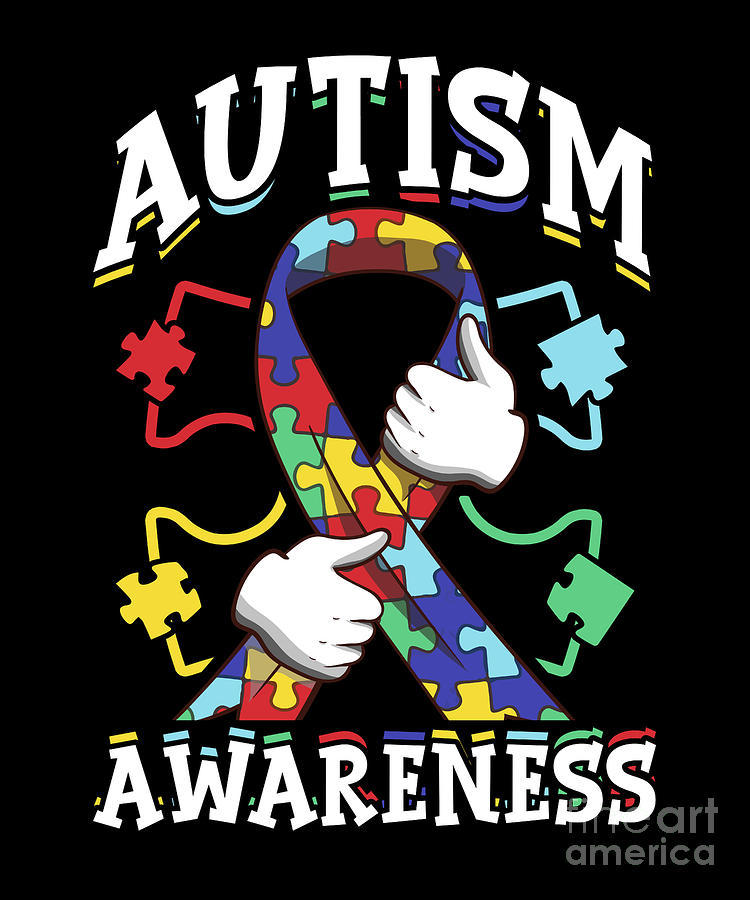
Awareness is not a passive state; it is an active engagement with the unfamiliar. In North America, the push for autism awareness has taken on myriad forms, from grassroots campaigns to high-profile media representations. Yet, the challenge lies in transcending the superficial—moving beyond the clichés of puzzle pieces and blue lights to foster a deeper understanding. The autism awareness ribbon, with its interlocking loops, is a powerful metaphor for connection, but it is only the beginning. True awareness requires us to confront the complexities of autism: the sensory sensitivities that can make a crowded room feel like a cacophony of nails on a chalkboard, the social nuances that are as elusive as smoke, and the extraordinary talents that often go unnoticed.
Consider the role of art and storytelling in shaping awareness. In recent years, autistic creators have taken center stage, using their platforms to challenge stereotypes and redefine narratives. Books like *The Reason I Jump* by Naoki Higashida and films like *Life, Animated* have offered intimate glimpses into the autistic experience, bridging the gap between the known and the unknown. These works are not mere educational tools; they are invitations to empathy, to see the world through a lens that is both familiar and profoundly different. In North America, where media often dictates the terms of public discourse, these stories are vital. They humanize autism, replacing pity with respect and curiosity.
Yet, awareness must also extend to the practical. Sensory-friendly spaces, designed to accommodate the needs of autistic individuals, are becoming more prevalent in North American cities. Museums, theaters, and even airports have begun to implement changes—dimmed lighting, reduced noise, and quiet zones—that make the world more accessible. These adaptations are not concessions; they are acknowledgments of the diversity of human experience. They remind us that inclusivity is not a one-size-fits-all endeavor but a dynamic, ever-evolving process.
The Future in Focus: Toward a Neuro-Inclusive Society
The horizon of autism advocacy and awareness in North America is not a distant mirage but a tangible landscape being shaped by the hands of those who dare to dream differently. The future lies in the hands of policymakers, educators, employers, and communities willing to embrace neurodiversity as a cornerstone of progress. It lies in the classrooms where autistic students are no longer sidelined but celebrated for their unique contributions. It lies in the boardrooms where neurodiverse teams drive innovation, their unconventional perspectives sparking breakthroughs that elude homogeneous groups. It lies in the streets, where the laughter of autistic children playing in inclusive playgrounds becomes the soundtrack of a more accepting society.
Technology, too, holds immense promise. From AI-driven tools that assist with communication to virtual reality platforms that foster social skills, innovation is paving the way for greater autonomy and connection. In North America, where tech hubs thrive, there is an opportunity to lead the charge in developing solutions that empower autistic individuals to navigate the world on their own terms. Yet, technology is only as effective as the empathy behind it. The challenge is not merely to create tools but to ensure they are designed with the input of autistic voices, reflecting their needs and aspirations.
The path forward is not without its obstacles. Funding for autism services remains inconsistent across North America, leaving many families to navigate a labyrinth of bureaucratic hurdles. Educational systems, despite progress, still struggle to provide the tailored support that autistic students require. And in the realm of public perception, old myths die hard—autism as a tragedy, as a burden, as something to be pitied rather than understood. Yet, these challenges are not insurmountable. They are the friction that fuels progress, the sparks that ignite change.
As we stand on the precipice of this new era, it is essential to remember that autism is not a problem to be solved but a reality to be embraced. It is a symphony of differences, each note contributing to the harmony of human existence. In North America, the movement toward advocacy and awareness is not just about changing perceptions; it is about redefining what it means to belong. It is about creating a society where every individual, regardless of cognitive wiring, can thrive—not in spite of their differences, but because of them.
The journey is far from over, but the destination is within sight. It is a world where the autistic child who lines up toys in perfect order is not corrected but celebrated for their precision. Where the autistic adult who speaks in a monotone voice is not judged but listened to with undivided attention. Where the autistic artist who paints in vibrant, chaotic strokes is not dismissed as “unconventional” but hailed as a visionary. This is the promise of a neuro-inclusive North America—a land where every mind, no matter how it dances to the rhythm of its own beat, is valued, understood, and free to flourish.