Ensuring that children with autism spectrum disorder (ASD) receive proper support and accommodations in the educational environment is critical to their academic success and overall well-being. The landscape surrounding autism in school is multifaceted, encompassing legal rights, individualized education plans, and specialized support services tailored to meet diverse learning needs. Navigating this terrain requires a comprehensive understanding of the rights afforded to students with autism, the types of accommodations available, and the resources designed to foster a nurturing and equitable educational journey.
Understanding Legal Rights for Students with Autism
The foundation of educational support for students with autism is rooted in federal legislation, primarily the Individuals with Disabilities Education Act (IDEA) and Section 504 of the Rehabilitation Act. IDEA mandates that eligible students receive a Free Appropriate Public Education (FAPE) in the Least Restrictive Environment (LRE). This means schools must provide tailored interventions and services that allow students with disabilities to learn alongside their neurotypical peers whenever possible.
Section 504 complements IDEA by prohibiting discrimination based on disability in any program receiving federal funding. It ensures students with autism have access to accommodations even if they do not qualify under IDEA provisions. Both statutes work in concert to safeguard the educational rights of students with autism, laying a legal groundwork that empowers families to advocate for necessary supports.
Individualized Education Programs (IEP): Customized Support Plans
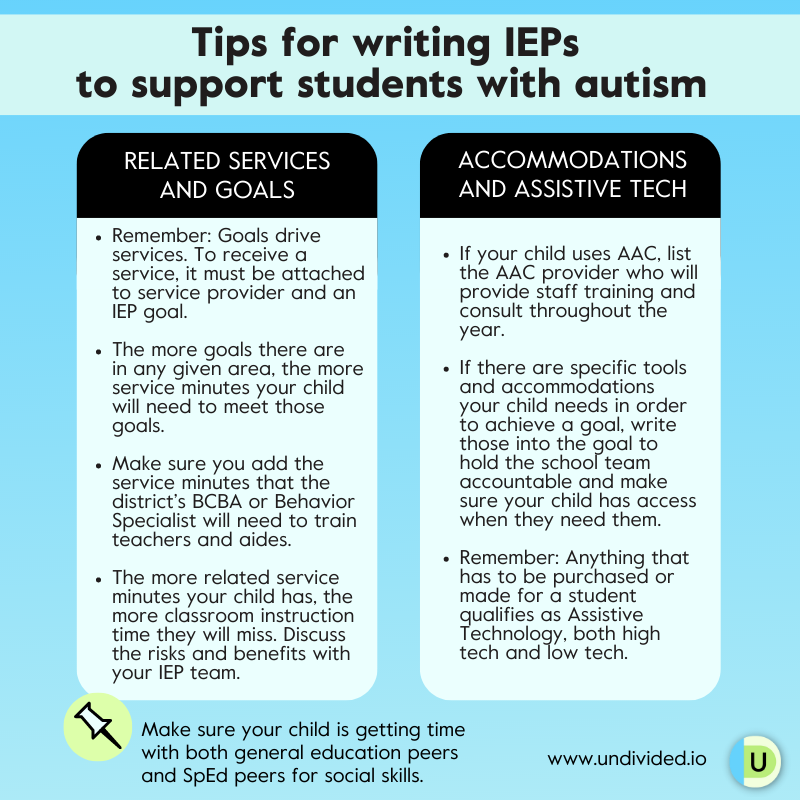
Central to implementing a student’s educational rights is the development of an Individualized Education Program (IEP). This comprehensive document is collaboratively crafted by a team including educators, specialists, and parents. It delineates specific goals, services, and accommodations tailored to address the student’s unique strengths and challenges.
IEPs often encompass a range of accommodations such as modified assignments, assistive technology, and behavioral interventions. For students with autism, this might translate into structured routines, sensory breaks, or visual schedules that mitigate anxiety and promote engagement. The IEP is a living document, reviewed annually to adapt to the student’s evolving needs, ensuring continuous progress and support.

504 Plans: Accessibility Beyond the IEP
For students whose needs do not necessitate specialized instruction but who still require certain accommodations to access the curriculum effectively, a 504 Plan is often the optimal solution. This plan outlines adjustments such as preferential seating, extended test time, or the use of communication aids.
504 Plans are inherently flexible and provide critical accommodations that support inclusion and facilitate equal participation. Unlike an IEP, a 504 Plan does not modify the instructional content but rather changes how the student accesses the content. This distinction is important as it emphasizes accessibility without altering academic expectations.

Accommodations and Modifications: Addressing Sensory and Learning Needs
Students with autism may encounter a variety of sensory, communication, and social challenges that impede their learning. Accommodations serve as vital tools to create an environment conducive to their success. These can include noise-canceling headphones to reduce auditory distractions, the option to take breaks in a quiet space, or the use of social stories to enhance understanding of social norms.
In some cases, curriculum modifications may be necessary, especially when cognitive or developmental delays are present. Modifications might involve simplifying assignments, breaking tasks into smaller steps, or using alternative assessment methods. The interplay between accommodations and modifications must be carefully calibrated by educational teams to ensure balance between support and challenge, fostering growth without compromising dignity or potential.

Specialized Support Services: Beyond Classroom Accommodations
Beyond instructional adjustments, students with autism often benefit from an array of allied support services. Speech and language therapy can address communication deficits, while occupational therapy may focus on fine motor skills and sensory integration. Behavioral support services provide strategies to manage challenging behaviors, promoting positive social interactions and self-regulation.
Moreover, autism support educators play a pivotal role in bridging the gap between curricular demands and individual capabilities. These professionals deliver targeted interventions, mentor students in social pragmatics, and collaborate with teachers to facilitate inclusive practices. Their expertise is invaluable in creating an educational milieu that respects neurodiversity and nurtures potential.
Fostering Advocacy and Collaboration Among Stakeholders
Successful support for students with autism hinges upon a collaborative partnership among parents, educators, and specialists. Families are vital advocates who contribute intimate knowledge of their child’s needs and preferences. Educators bring pedagogical expertise and classroom experience, while specialists offer clinical insights that inform effective intervention strategies.
Regular communication and transparency are essential to ensuring that accommodations and supports are implemented consistently. Workshops, support groups, and training sessions further empower stakeholders to navigate challenges proactively and foster a culture of inclusion and understanding.
Preparing for Transitions: School to Adulthood
Preparation for life beyond school is a critical component of support for adolescents with autism. Transition planning, usually initiated by age 14 or earlier, integrates vocational training, post-secondary education counseling, and independent living skills development. Effective transition plans are tailored to individual aspirations and capabilities, fostering autonomy and a meaningful future.
These comprehensive strategies encompass community-based instruction, internships, and social skill development, bridging the often-daunting divide between structured schooling and the complexities of adult life. Engaging students, families, and community agencies early establishes a continuum of support that eases transitions and maximizes opportunity.
In conclusion, addressing autism in school requires a nuanced combination of legal protections, personalized educational plans, and comprehensive support services. Recognizing and actualizing the rights of students with autism exemplifies a commitment to equity and inclusion, fostering environments where all learners can thrive. By embracing collaboration, innovation, and empathy, schools lay the groundwork for lifelong success and resilience.