Walking into a bustling workplace can feel like stepping onto a vast stage where countless roles intersect, choreographed by invisible cues and unspoken scripts. For individuals on the autism spectrum, navigating this intricate performance involves a unique set of challenges and triumphs. Autism in the workplace is often likened to a mosaic—each piece distinct, yet essential to the holistic picture of productivity and innovation. Central to flourishing in this environment is the dual theme of disclosure and accommodations, a delicate dance balancing authenticity with the architecture of support.
The Art of Disclosure: Navigating the Waters of Workplace Authenticity
Disclosure, in the context of autism, is akin to unveiling a complex tapestry. It involves revealing the threads of one’s neurodivergence amidst the rich fabric of workplace dynamics. The decision to disclose is profoundly personal and situational, influenced by factors ranging from organizational culture to individual comfort and anticipated outcomes.
For many, disclosure acts as a catalyst for understanding and opens channels for tailored accommodations, fostering an environment where neurodivergent traits are not seen as deficits, but as assets. However, the risks associated with disclosure—such as stigma or misinterpretation—render it a precarious step. The metaphor of stepping onto a tightrope illustrates the balancing act individuals perform: maintaining professional identity while advocating for necessary support.
Employers who cultivate a culture of psychological safety, where openness about neurological differences is embraced without prejudice, significantly ease this process. Training managers to respond with empathy and discretion helps dissolve barriers, making disclosure less daunting and more empowering.
Understanding Accommodations: Sculpting the Workplace to Fit Diverse Minds
Accommodations are the bespoke tools chiseling a workspace to perfectly contour around an individual’s needs. Much like a tailored suit, accommodations don’t change the person; they honor and enhance their natural form, enabling optimal performance and comfort.
Typical accommodations might include flexible scheduling to align with neurodivergent rhythms, noise-cancelling headphones to mitigate sensory overload, or quiet workspaces fostering concentration. More nuanced supports could involve providing written instructions alongside verbal communication, utilizing assistive technology, or allowing alternative methods to complete tasks.
The true uniqueness of effective accommodations lies in their personalization. Just as no two individuals on the spectrum mirror each other’s experiences, no one set of accommodations suffices universally. The collaborative dialogue between employer and employee becomes the crucible in which these supports are forged.
Building Bridges: Cultivating Inclusive Organizational Cultures
Imagine an organization as a sprawling garden, with neurodivergent employees as rare and resilient blooms. To flourish, these plants require not only standard sunlight and water but also tailored care—specific nutrients and protection from harsh elements.
Creating an inclusive workplace means more than checking boxes; it involves systematic integration of neurodiversity into the very ethos of the company. This includes implementing training programs that educate all staff on neurodiversity, promoting policies that explicitly protect and support autistic employees, and establishing affinity groups where individuals can share experiences and advocate collectively.
Such a culture transforms the workplace into fertile ground where innovation blossoms, driven by diverse perspectives and cognitive styles. It shifts the narrative from accommodation as a burden to inclusion as an imperative that unleashes potential.
Legal Frameworks and Policy: The Backbone of Fairness
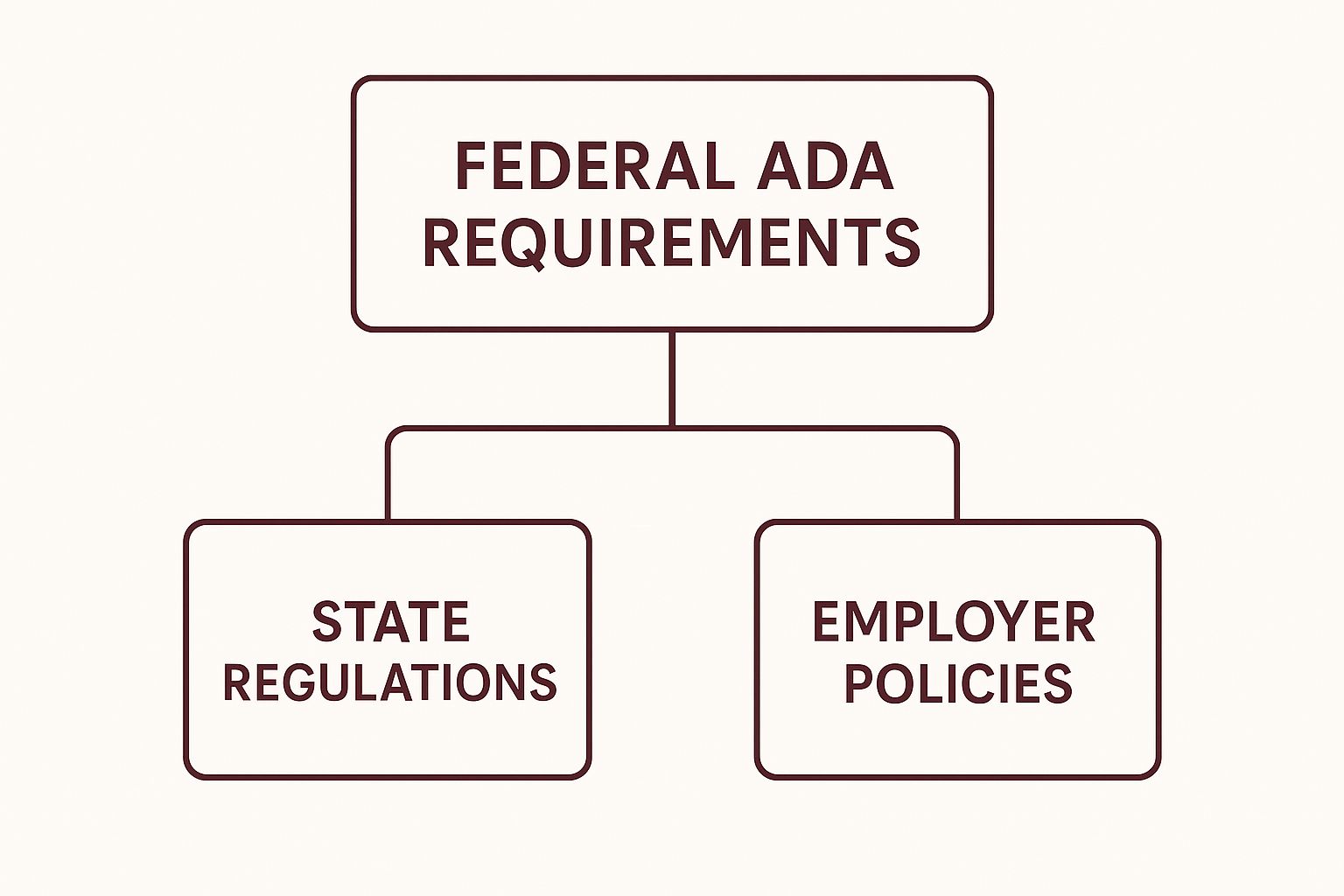
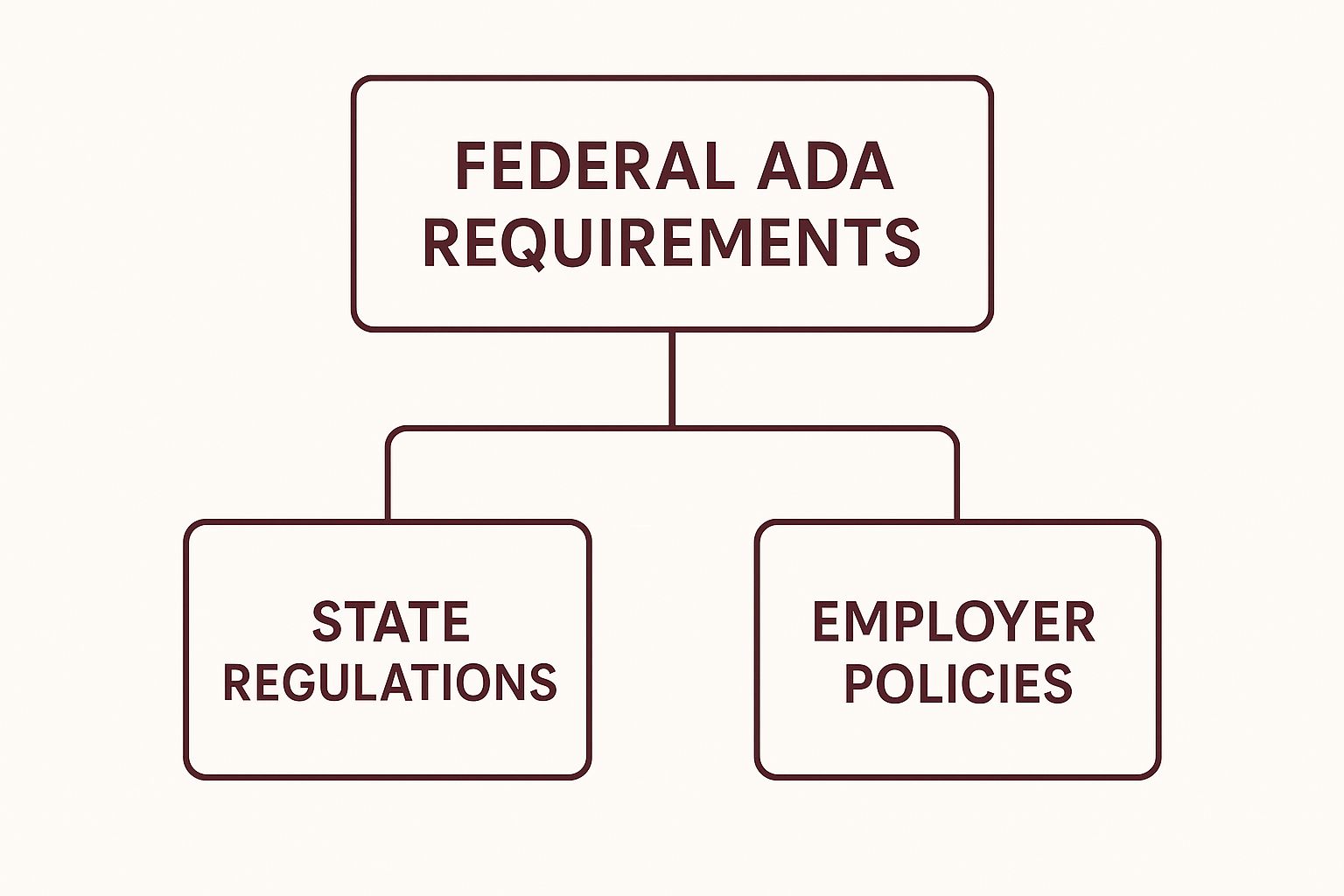
Underpinning the practical and cultural facets of autism accommodation is the legal scaffold ensuring equity and protection. Laws and regulations, such as the Americans with Disabilities Act (ADA), mandate reasonable accommodations and prohibit discrimination, providing essential safeguards.
However, legal frameworks alone cannot suffice. Their interpretation and enforcement rely on conscientious application within companies, necessitating ongoing education for HR personnel and management to recognize and fulfill their responsibilities effectively.
Furthermore, advocacy continues to evolve in this space, emphasizing the need for policies that not only comply with minimal legal standards but actively promote empowerment and dismantle systemic barriers.
The Unique Appeal of Neurodiverse Talent: Reframing Strengths and Contributions
Far beyond perceived limitations lies a reservoir of unique cognitive gifts. Many autistic individuals exhibit exceptional attention to detail, pattern recognition, and unwavering dedication—qualities coveted in myriad industries from technology to creative arts.
Tapping into this reservoir requires a reorientation of traditional hiring and management paradigms, valuing divergent thinking patterns and unique problem-solving approaches. Organizations that recognize this find themselves enriched by employees who approach challenges with fresh perspectives and resilience.
Celebrating neurodiversity strengthens innovation pipelines and fosters a workplace climate where difference is not just tolerated but heralded as a strategic advantage.
Conclusion: Towards a Symphony of Inclusion
The workplace is a complex symphony requiring harmony among diverse instruments. Autism, when understood and supported, contributes a distinctive melody that enhances the collective composition. Disclosure and accommodations, thoughtfully approached, serve as the conductor’s baton guiding this interplay.
Embracing autistic employees with openness, respect, and tailored support not only enriches workplace culture but also propels organizations towards excellence. The mosaic is incomplete without every unique piece, and in celebrating this tapestry, companies craft environments where all workers can thrive, innovate, and compose their most authentic performance.