Autism Spectrum Disorder (ASD) represents a complex and nuanced neurodevelopmental condition, characterized by a diverse range of traits and behaviors. The spectrum metaphor underscores the vast heterogeneity found among individuals who live with autism, making it essential to approach the topic with sensitivity, depth, and clarity. Understanding autism requires delving into its multifaceted nature, interpretations, manifestations, and the evolving perspectives surrounding this condition.
The Evolution of Autism’s Definition
The term “autism” was first coined in the early 20th century, but its understanding has dramatically evolved since then. Initially perceived as a rare childhood disorder primarily involving social withdrawal, autism is now recognized as a spectrum. This paradigm shift reflects advancements in research and clinical observation, emphasizing that autism encompasses a broad array of cognitive, communicative, and behavioral expressions. It is no longer viewed as a singular condition but rather a constellation of traits that vary in intensity and presentation across individuals.
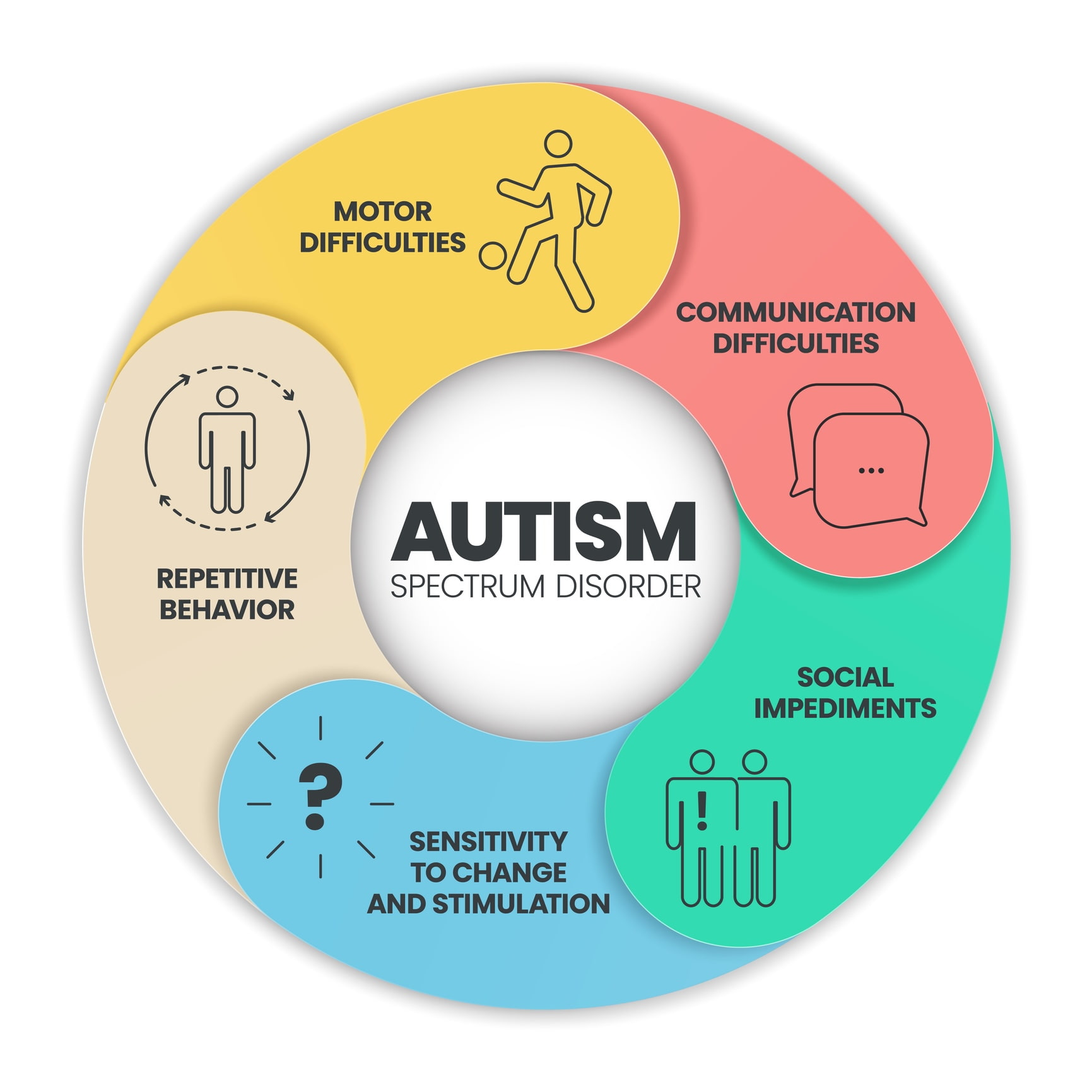
Current diagnostic criteria focus on core challenges in social communication alongside restrictive and repetitive behaviors. However, these challenges manifest differently depending on numerous factors such as genetic influences, environmental elements, and developmental history. This increased knowledge encourages a more personalized and respectful approach, recognizing the unique strengths and difficulties each person with autism may experience.
Core Characteristics of Autism Spectrum Disorder
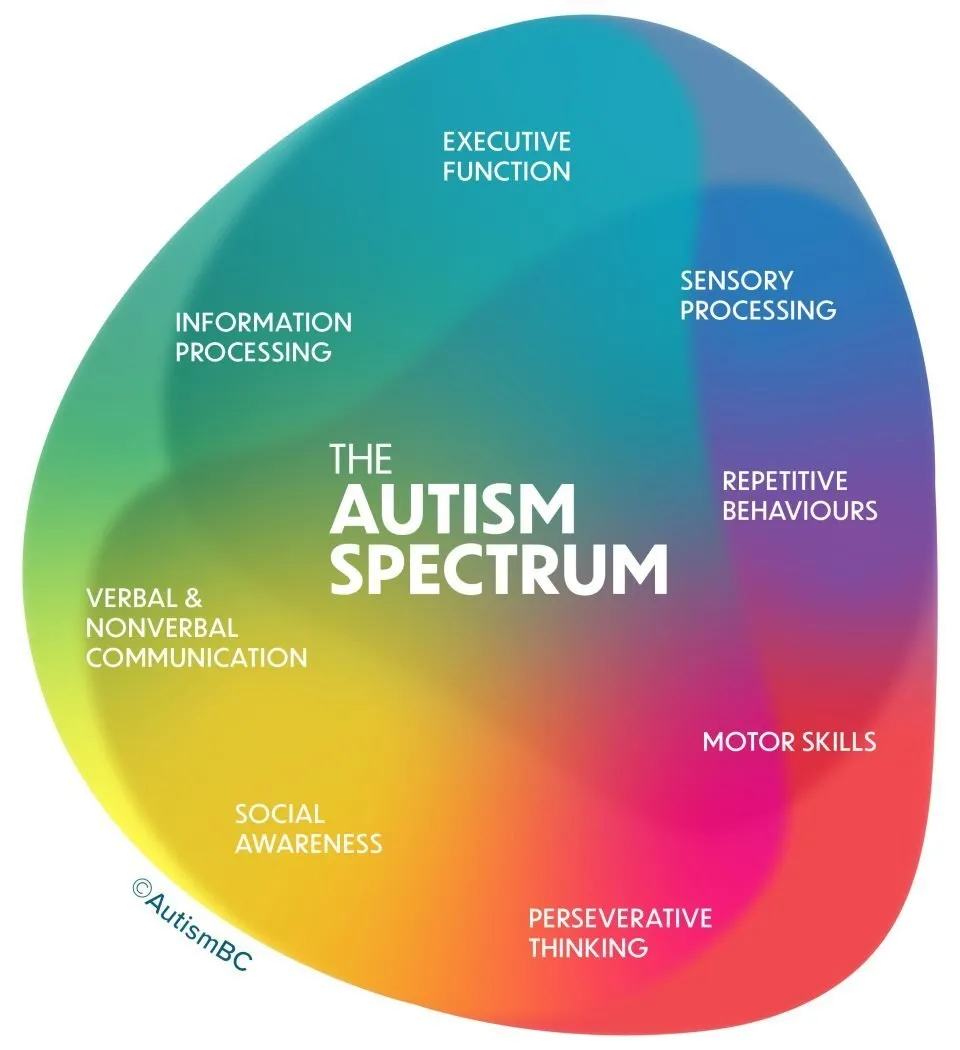
At the heart of autism’s complexity lie its core characteristics, typically emerging in early childhood but sometimes recognized later in life. Social communication difficulties often include challenges in interpreting social cues, maintaining conversations, or understanding others’ emotions. Some individuals grapple with nonverbal communication nuances—such as eye contact, facial expressions, and gestures—further complicating interpersonal interactions.
Simultaneously, repetitive behaviors and narrowly focused interests often serve as distinguishing hallmarks. These can range from simple motor stereotypes like hand-flapping to intricate rituals or all-encompassing fascinations with specific subjects. While these behaviors may appear limiting, they often provide comfort, predictability, or a channel for intense intellectual engagement.
It is vital to acknowledge the spectrum’s breadth extends to sensory processing differences. Hypersensitivity or hyposensitivity to sensory stimuli such as light, sound, touch, or taste can profoundly affect quality of life. For some, exposure to sensory overload can cause distress or shutdowns, underscoring the need for sensory-friendly environments and interventions tailored to individual needs.
Diverse Presentations Within the Spectrum
Autism’s heterogeneity means no two individuals experience the condition identically. While the diagnostic umbrella remains consistent, the manifestation of traits can vary drastically. Some individuals demonstrate high intellectual functioning and verbal fluency, often described colloquially as “high-functioning,” although such terminology is increasingly scrutinized for oversimplifying the lived experience.
Others may have co-occurring intellectual disabilities or limited speech. This diversity necessitates a spectrum-based understanding, highlighting how support needs range from minimal to intensive. Recognizing these differences challenges stereotypes and promotes appreciation of neurodiversity—affirming that neurological variations contribute uniquely to society.
Interpreting the Spectrum Through a Neurodiversity Lens
The neurodiversity paradigm reframes autism as a natural variation of the human mind rather than solely a disorder to be ‘fixed.’ This perspective champions inclusion, acceptance, and understanding rather than stigma or pathologization. By acknowledging autism’s role in shaping diverse cognitive profiles, it encourages environments where autistic individuals flourish without conforming to normative societal expectations.
This framework highlights communication preferences, sensory experiences, and intellectual styles as valuable differences rather than deficits. It also drives advocacy for education systems, workplaces, and communities to adapt flexibly to varied cognitive styles. Through this lens, support becomes about empowerment and accessibility—not mere remediation.
Support, Intervention, and Lifespan Considerations
Effective autism support is increasingly personalized, incorporating developmental, social, emotional, and medical components tailored to individual profiles. Early intervention remains crucial, especially in supporting communication and social skills, yet many services continue through adulthood, recognizing autism as a lifelong condition.
Therapeutic approaches vary widely—from applied behavior analysis (ABA) and speech therapy to occupational and sensory integration therapies—each serving different roles based on individual needs. Furthermore, burgeoning research on assistive technologies and inclusive educational models continues to expand tools available for fostering autonomy and engagement.
Beyond interventions, quality of life hinges on societal attitudes, inclusion, and access to resources. Employment supports, mental health care, and community integration programs are vital for enabling meaningful participation and well-being across the lifespan.
The Importance of Continued Research and Awareness
Despite remarkable advances, autism remains an active area of research, particularly around genetics, neurobiology, and effective intervention strategies. Translating this research into public awareness is fundamental to dispelling myths and promoting informed understanding.
Accurate, evidence-based information empowers families, educators, and healthcare providers to make thoughtful decisions and tailor environments that respect the individuality inherent within the spectrum. It also fosters empathy and inclusion, essential for dismantling barriers autistic individuals face in their daily lives.
Collectively, these efforts lay the groundwork for a society where autism is not feared or misunderstood but embraced as part of human diversity.
Understanding the autism spectrum is not merely an academic pursuit. It is an evolving, empathetic journey that highlights the rich tapestry of human neurodevelopment. By exploring the spectrum’s meaning in detail, one gains insight into the myriad ways individuals live, think, and connect differently yet meaningfully. The path forward involves honoring these differences and ensuring that every voice, however unique, is heard and valued.