For many parents and caregivers of autistic children, observing their child’s unique sensory preferences can be both a source of insight and curiosity. These preferences often manifest in a profound fascination with certain textures, sounds, or movements, which at first glance might seem as mere quirks. However, beneath this seemingly simple engagement lies a complex interplay of sensory processing differences that shape how autistic children perceive and interact with their world. Recognizing this, sensory tools have become indispensable in providing meaningful, soothing, and stimulating experiences that align with a child’s intrinsic needs. The following exploration delves into 20 essential sensory tools, revealing why these objects hold such potent appeal and how they can transform everyday challenges into moments of discovery and calm.
Understanding the Sensory Landscape
Sensory processing is an intricate neurological function that dictates how stimuli from the environment are received, interpreted, and responded to. For autistic children, this system often operates differently, resulting in hyper- or hypo-sensitivities to light, sound, touch, taste, and movement. Sensory tools are not mere playthings; they serve as bridges between overwhelming stimuli and a manageable, self-regulated experience. Each tool offers a tactile, proprioceptive, vestibular, or auditory input specifically curated to engage various neural pathways, helping children build sensory integration in a manner tailored to their individual needs.
Weighted Blankets: A Warm Embrace of Calm
Weighted blankets envelop a child with deep pressure stimulation, akin to a comforting hug. This deep touch pressure is known to attenuate anxiety and promote relaxation by encouraging the release of neurotransmitters such as serotonin and dopamine. For autistic children who struggle with self-regulation, the subtle weight provides a focal sensory input that can quiet an overactive nervous system. Many find this sensation profoundly grounding, transforming moments of distress into periods of calm repose.
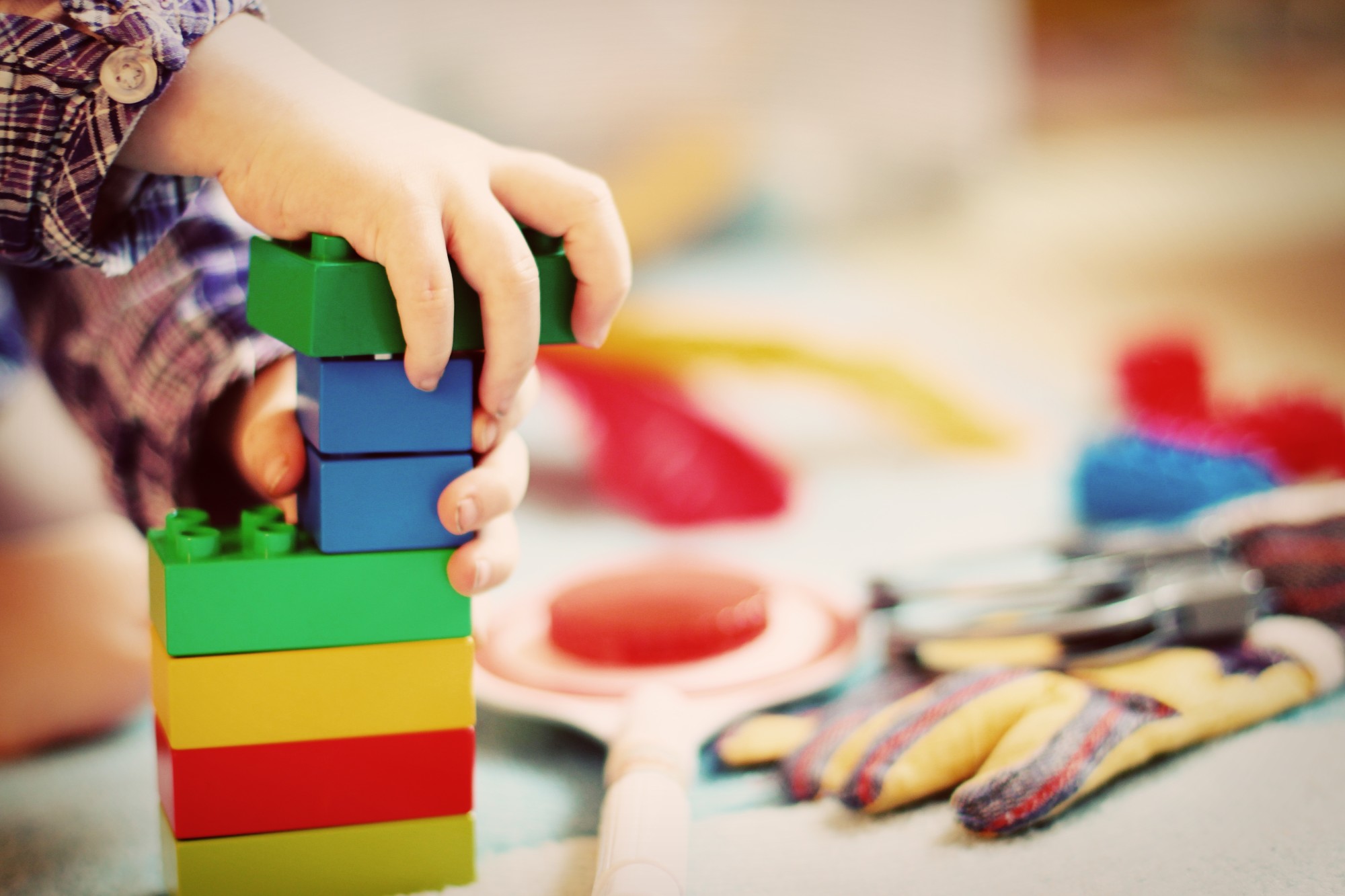
Fidget Tools: Precision in Movement
Fidget tools such as spinners, cubes, and textured stress balls satisfy the innate urge for repetitive motion and fine motor engagement without causing distraction. These compact implements aid concentration by channeling excess energy into controlled, purposeful movements. Moreover, they foster tactile exploration through diverse textures and resistance levels. The fascination lies in the predictability and control they afford, offering a regulated stim that mitigates sensory overload without overwhelming.
Noise-Cancelling Headphones: Carving Audio Sanctuaries
The sonic environment is a bustling landscape often fraught with unpredictable sounds that can be distressing. Noise-cancelling headphones carve out auditory sanctuaries, providing relief from cacophonous stimuli. By reducing background noise, these headphones enable autistic children to focus, relax, or sleep without the intrusion of intrusive sounds. The controlled auditory input they provide is not just about silencing but creating a space for intentional sound engagement or peaceful quietude.
Liquid Motion Timers: Visual Tranquility in Flow
Liquid motion timers captivate with their mesmerizing, slow-moving droplets that steadily descend and pool. These visual tools serve as non-verbal cues, helping children grasp the abstract concept of time while simultaneously offering visually soothing movement. This slow, deliberate pace aligns with many autistic children’s preference for predictability and rhythm, making them enthralled observers of this tranquil cascade.
Chewelry: Safe Oral Sensory Input
Chewelry—wearable, chewable jewelry—addresses the oral sensory needs prevalent among many autistic children. Chewing can serve as a calmative mechanism that provides proprioceptive input to the jaw and mouth muscles. This oral stimulation aids self-regulation, reducing anxiety and preventing potentially harmful oral behaviors. Designed in varied shapes, textures, and firmness, these tools combine safety and sensory satisfaction.
Therapy Balls and Balance Boards: Proprioceptive and Vestibular Engagement
Movement-based tools like therapy balls and balance boards engage the proprioceptive and vestibular systems. These instruments encourage motor planning, core strengthening, and balance improvements. The rhythmic rocking or bouncing motions provide soothing sensory input that can help modulate arousal levels. The challenge and reward in maintaining equilibrium or controlled bouncing create an exhilarating sense of accomplishment intertwined with physical sensory needs.

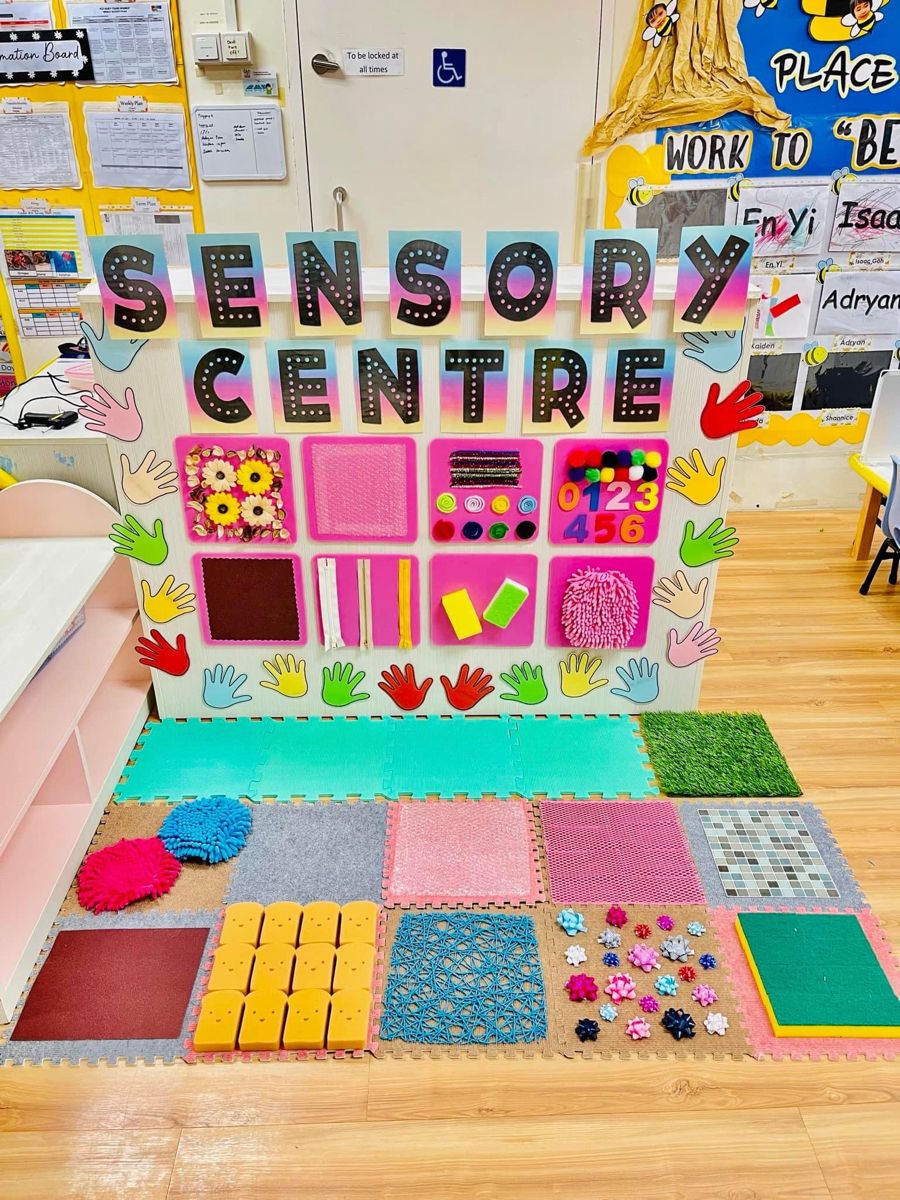
Textured Mats and Rugs: Tactile Exploration Underfoot
Textured mats and rugs invite an underutilized pathway of tactile exploration through the soles of the feet. These surfaces stimulate nerve endings, providing input that can enhance body awareness and grounding. The varying textures – from bumps to ridges – offer a playground of tactile stimuli, encouraging curiosity and engagement through natural movement.
Light Projectors and Sensory Lamps: Chromatic Soothing
The interplay of colors and light patterns has therapeutic caliber. Light projectors and sensory lamps create immersive environments that can mesmerize and calm. The gentle shifting hues and patterns offer non-threatening sensory input, fostering an atmosphere conducive to relaxation and creativity. For many autistic children, the visual stimulation holds a magnetic quality, inviting prolonged focus and enjoyment.
Resistance Bands: Strength Through Sensory Input
Resistance bands provide proprioceptive feedback through muscle stretch and effort. Engaging with these bands not only supports physical strength but also aids in sensory integration. The tension creates a bodily awareness that can reduce restlessness and promote focus. Resistance work often becomes a critical outflow channel for energy that could otherwise manifest as anxiety or agitation.
Vibrating Sensory Toys: Rhythmic Calm
Vibrating toys deliver deep, rhythmic stimulation that can soothe overstimulated sensory systems. The pulsing vibrations provide a tactile anchor, bringing attention inward and calming nervous tension. These toys vary from handheld devices to larger cushions, offering flexibility in the application and areas of sensory targeting.
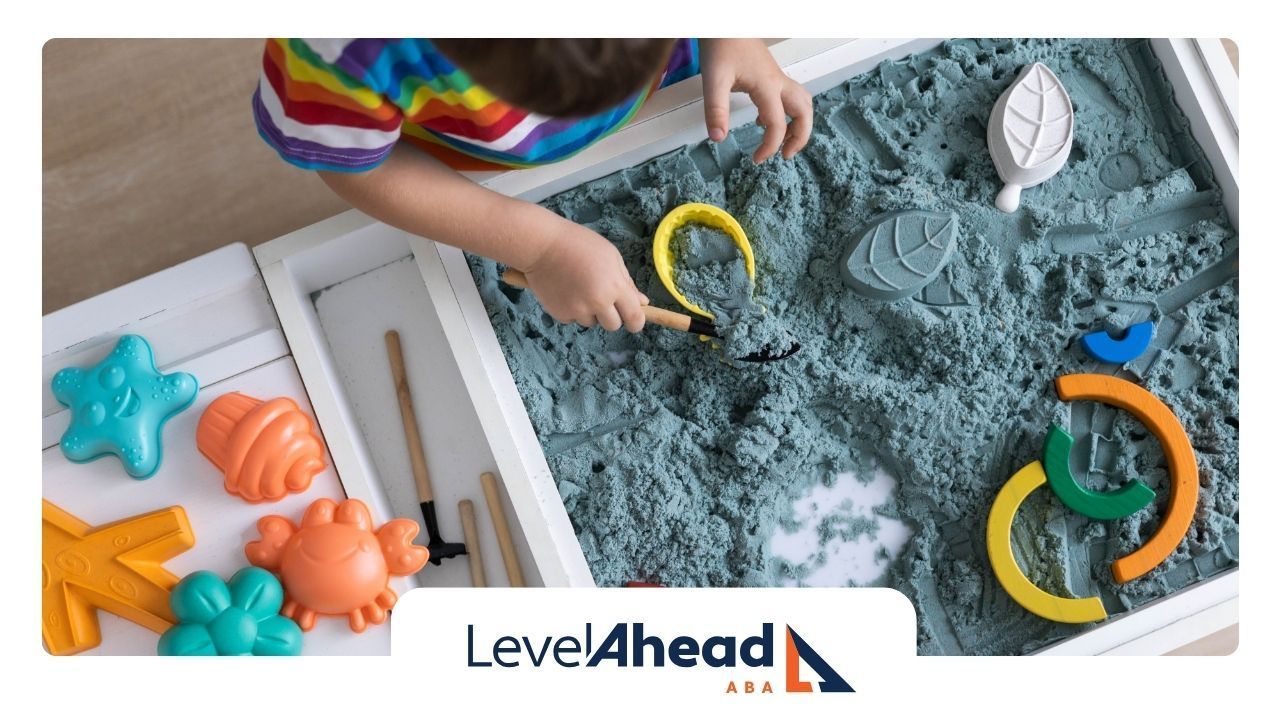
Sand and Kinetic Play Materials: Manipulative Tactility
Manipulating sand or kinetic play materials invites a multisensory experience combining tactile, visual, and sometimes auditory input. The granularity and moldability respond uniquely to every touch, providing endless fascination. The calming, repetitive nature of sifting and molding engages fine motor skills and provides an outlet for sensory-seeking behaviors, while the malleability satisfies a craving for control and predictability.
Auditory Toys and Instruments: Aural Exploration
Musical toys and instruments introduce children to structured sound exploration. The ability to create or mimic rhythms and tones serves as a means to express emotions and concentrate attention. Auditory tools can help improve temporal processing skills and encourage social interaction through shared musical experiences, fostering a secure connection to sound rather than avoidance.
Visual Tracking Tools: Developing Focus and Coordination
Tools designed for visual tracking, such as moving balls, bubbles, or pendulums, help improve eye coordination and attention span. Their slow, predictable motion captivates children whose visual systems crave steady movement and rhythm. These tools are invaluable in building the foundational skills necessary for reading and other visual-focused tasks.
Scratch and Texture Boards: Sensory Discrimination
Boards with an assortment of textures—rough, smooth, soft, and scratchy—allow children to practice sensory discrimination. By distinguishing between various tactile sensations, autistic children develop enhanced sensory awareness, aiding in the modulation of sensory responses. Such tactile diversity nurtures fine motor exploration and fosters curiosity in a safe, controlled environment.
Calming Gel Pads: Soothing Touch
These gel-filled pads provide a cool, malleable surface that responds gently under pressure. The combination of temperature regulation and tactile sensation is remarkably soothing for nervous or restless hands. Calming gel pads encourage self-soothing by providing a physical entity that absorbs energy in a controlled, calming fashion.
Bubble Tubes and Water Walls: Flowing Sensory Input
Water features like bubble tubes and water walls combine visual, auditory, and tactile stimuli into a single sensory experience. The sparkling bubbles, gentle rippling sounds, and visual fluidity draw attention and reduce agitation. These calming sensory outputs create a multisensory quietude that can be both mesmerizing and restorative.
Body Socks: Encasing for Sensory Regulation
Body socks are stretchy fabric suits that provide uniform, gentle resistance across the body. Wearing one can resemble the sensation of a tight hug, delivering proprioceptive input that aids in calming the nervous system. This uniform compression helps with body awareness, spatial orientation, and can alleviate anxiety by fostering a profound sensory enclosure.
Glow-in-the-Dark Items: Visual Engagement After Dark
Glow-in-the-dark toys engage a child’s visual sense in low-light conditions. The gentle luminescence can be comforting and captivating, serving as night-time companions that promote a sense of security. Their unpredictable yet familiar glow can act as a sensory anchor during times prone to unease, such as bedtime.
Mirrors and Reflective Surfaces: Visual Self-Discovery
Reflective surfaces allow children to observe their own movements and expressions, aiding in the development of self-awareness and social understanding. This visual feedback loop fosters motor planning, imitation, and emotional recognition, all integral to social cognition and sensory integration.
Therapeutic Putty and Clay: Moldable Focus
Manipulating putty and clay satisfies tactile and proprioceptive cravings. The resistance and malleability support hand strengthening while providing a medium for creative expression. The rhythmic squeezing and shaping can be an effective outlet for stress, engaging both fine motor skills and sensory-seeking behaviors in a productive manner.
Incorporating these sensory tools into the daily lives of autistic children does more than simply occupy time; it respects their unique sensory landscape and offers avenues for self-regulation, exploration, and comfort. Each tool taps into a nuanced sensory niche, supporting the child’s journey toward autonomy in a world that often feels too overwhelming. By understanding and embracing these tools, caregivers can witness how thoughtfully selected sensory inputs unlock the innate potential for joy, focus, and calm within every child.