Language shapes perception. It not only conveys information but also frames our understanding of the world and the individuals within it. When discussing autism, the terminology we adopt can deeply influence both social attitudes and the lived experiences of autistic individuals. Inclusive language serves as a bridge, fostering respect, empathy, and genuine connection. It transcends mere semantics; it reflects a commitment to dignity and authenticity. Yet, selecting the right words requires nuance, sensitivity, and an awareness of common pitfalls. Understanding what to say—and what to avoid—unveils a profound sensitivity to the lived realities behind the diagnosis.
The Power of Words: Why Language Matters in Autism
Words are more than communication tools; they embody cultural values and power dynamics. Historically, autistic individuals have often been portrayed through a deficit-based lens—focused on what they lack rather than their rich capacities and distinct perspectives. This reductive perspective echoes in the language employed, from clinical labels to everyday references. Employing inclusive language counters this narrative by centering respect and agency.
Using respectful language helps dismantle stigma and reduces social barriers. It fosters environments where autistic individuals feel seen and honored for who they truly are, rather than reduced to a diagnosis or stereotype. This approach encourages societal inclusion, enabling fuller participation culturally, socially, and professionally. Consequently, the terminology we choose plays a pivotal role in shaping not only dialogue but also policy, practice, and personal interaction.
Person-First versus Identity-First Language: Navigating Preferences
One of the most debated topics in autism-related language is the choice between person-first and identity-first phrasing. Person-first language (e.g., “person with autism”) emphasizes the individual before the diagnosis, aiming to acknowledge their humanity independent of their condition. Conversely, identity-first language (e.g., “autistic person”) embraces autism as an integral part of identity, reflecting a sense of pride and self-recognition.
Understanding this distinction is crucial. Preferences vary considerably within the autism community. Many adults and advocates champion identity-first language as it affirms autism as a natural, inseparable facet of who they are. Others, particularly some families or professionals, may lean toward person-first to avoid defining someone solely by a diagnosis. The key is to respect individual preferences and context—asking when possible and honoring how people self-identify.
Avoiding Deficit-Based and Infantilizing Terminology
Language that subtly or overtly frames autism as a tragedy or a disorder needing to be “fixed” can be profoundly harmful. Terms laden with pity or negativity reinforce stereotypes of incompetency or suffering. Such phrases breed misunderstanding and social exclusion rather than empathy.
Infantilizing language also poses risks. Many autistic adults emphasize the importance of being seen as capable individuals, not perpetual children. Words or tones that diminish autonomy—intentionally or inadvertently—undermine dignity and can perpetuate marginalization. Terms like “high-functioning” or “low-functioning,” though common, can be reductive and misleading, focusing narrowly on abilities and ignoring the complexity and variability of experiences.
Embracing Strengths and Neurodiversity
The neurodiversity paradigm offers a transformative perspective. It recognizes autism as a natural variation of human neurology rather than a pathology. This shift invites language that highlights strengths, unique skills, and contributions while acknowledging challenges without casting them solely as deficits.
Inclusive language that aligns with neurodiversity principles avoids pathologizing and instead celebrates diversity. Phrases such as “people on the autism spectrum” or simply “autistic people” reflect a move toward integration and normalization. Describing sensory preferences, divergent communication styles, or intense interests as natural, rather than symptoms, encourages acceptance rather than intervention.
Practical Language Guidelines: What to Say and What to Avoid
Choosing words deliberately requires both empathy and awareness of changing cultural landscapes. Here are some practical guidelines for inclusive communication:
- Do Say: “Autistic individual,” “person on the autism spectrum,” “supports” instead of “symptoms,” and “different neurological wiring.”
- Avoid Saying: “Suffers from autism,” “victim of autism,” “high-functioning/low-functioning,” or any language implying incompetence or tragedy.
- Ask about preferences. When in doubt, respect individual or community choices regarding terms.
- Use affirming language that focuses on personhood, abilities, and potential—emphasizing dignity over deficits.
By committing to these principles, communication becomes a tool for empowerment rather than exclusion.
The Nuance of Eye Contact: A Mirror into Social Communication
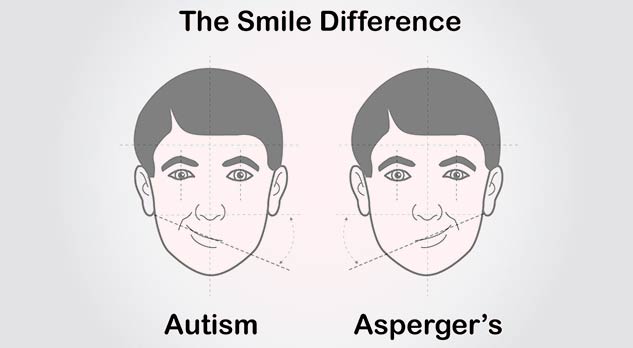
A frequently observed behavior in autism is the avoidance of eye contact—a characteristic often misinterpreted as disengagement or aloofness. However, emerging research reveals more intricate reasons underpinning this behavior, highlighting the complexity behind surface observations.
For many autistic individuals, direct eye contact can be overwhelming or painfully intense due to heightened sensory sensitivities or differences in social processing. This aversion is not a rejection of interaction but rather a coping strategy that preserves comfort and emotional regulation. Recognizing this nuance invites reconsideration of common social expectations.
Language that respects these differences avoids labeling behaviors as deficits. Instead, it acknowledges diverse communication styles, normalizing variations without judgment. This perspective further exemplifies how inclusive language embraces deeper understanding beyond superficial assumptions.

Inclusive Language in Practice: Fostering Community and Connection
Inclusive language extends beyond words; it is a catalyst for transforming attitudes and nurturing belonging. Employing considerate terminology models respect and openness. It invites dialogue based on recognition rather than stereotypes.
In educational settings, workplaces, and social spheres, inclusive language can reshape environments to be more accommodating and affirming. It establishes common ground where autistic individuals lead conversations about their identities and needs. Such dynamics promote empowerment, reduce isolation, and cultivate authentic relationships.

The Ongoing Evolution of Language: Listening and Learning
Language is dynamic, continuously evolving alongside cultural awareness and scientific understanding. What was once considered appropriate may now be outdated or offensive. Remaining vigilant and open-minded is essential. Autonomous voices from within the autism community guide our linguistic evolution, urging careful listening and humility.
Embracing inclusive language reflects a willingness to grow and adapt. It demands patience, reflection, and active engagement with diverse perspectives. Through this ongoing process, communication becomes a conduit for respect and genuine inclusion.
Ultimately, inclusive language for autism is more than terminology—it is a profound statement of value and humanity. By choosing words thoughtfully and embracing the rich diversity of experiences, society moves closer to true acceptance, understanding, and meaningful connection.