Autism, a multifaceted neurodevelopmental condition, has garnered widespread attention in recent decades. It encompasses a spectrum of traits and behaviors, ranging from subtle social nuances to pronounced developmental differences. Understanding Autism 101 requires delving into its foundational definitions, exploring its diverse phenotypes, and appreciating the nuances that shape the lived experiences of individuals on the spectrum.
The Essence of Autism Spectrum Disorder
At its core, Autism Spectrum Disorder (ASD) represents a complex interplay of neurological variations that influence cognition, communication, and social interaction. It is not a singular condition but a broad constellation of developmental divergences. The term “spectrum” is integral, reflecting the heterogeneity in how autism manifests. Some individuals might present with significant verbal communication challenges, while others may exhibit intense focus on specialized interests or possess exceptional visual-spatial abilities.
The neurodevelopmental roots of autism suggest early life alterations in brain connectivity and function. These variances can affect the processing of sensory inputs, social cues, and language acquisition. Recent advancements have unveiled intricate neurological differences, emphasizing that autism is as much an intrinsic part of brain wiring as it is a behavioral diagnosis.
Decoding Broader, Medium, and Narrow Autism Phenotypes
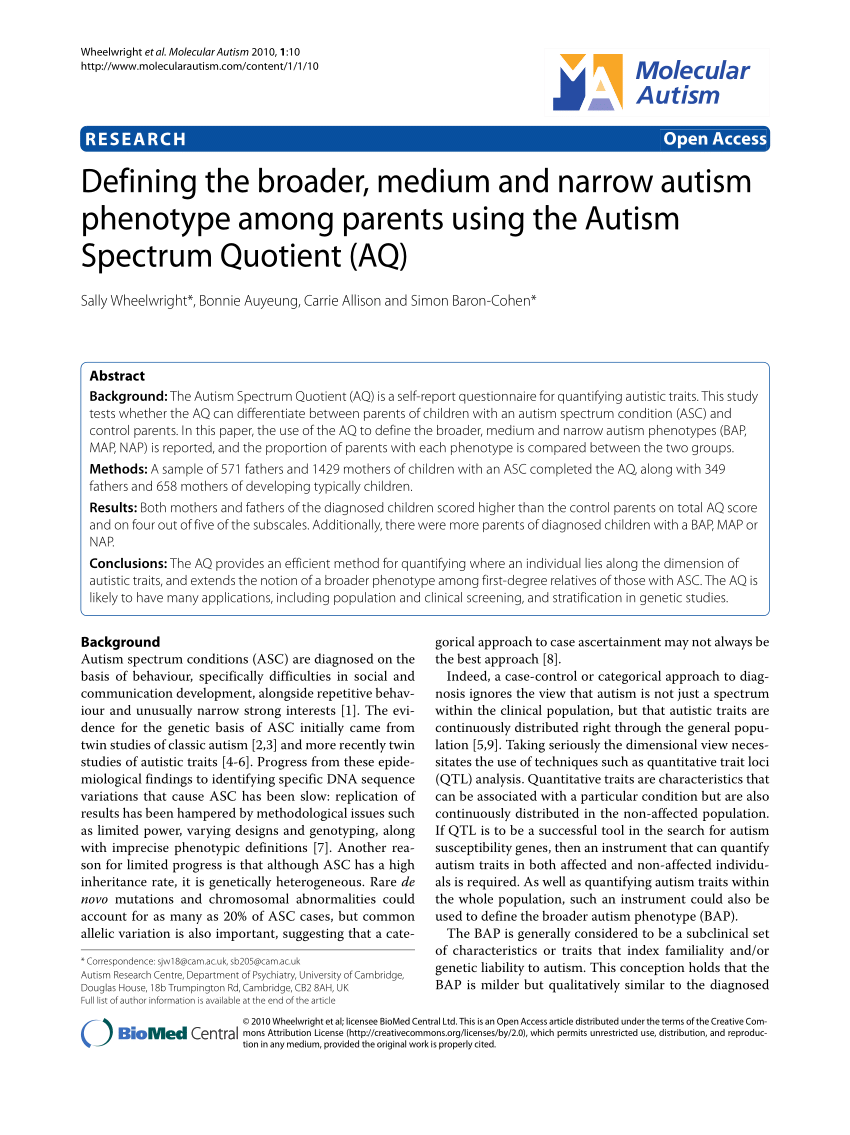
Beyond the clinical diagnosis lies a spectrum of phenotypic expressions that broaden the understanding of autism’s reach. Researchers have classified these into broader, medium, and narrow autism phenotypes, each describing varying intensities of autistic traits within individuals, particularly parents and family members of autistic individuals.
The broad autism phenotype refers to subtler, subclinical traits often seen in first-degree relatives. These might manifest as mild social awkwardness, a preference for routine, or a literal interpretation of language. While these traits do not disrupt everyday functioning dramatically, they provide clues to the hereditary nature and neurological continuum of autism.
The medium phenotype represents a more pronounced set of characteristics, possibly affecting social reciprocity or communication but still falling short of a formal diagnosis. This gradation underscores the spectrum’s fluidity and the importance of recognizing varying degrees of autistic expression.
At the other extreme lies the narrow phenotype, characterized by the classic diagnostic criteria of autism, including persistent deficits in social communication and restrictive, repetitive patterns of behavior. This classification illuminates the clinical threshold that warrants a diagnostic label and access to specialized services.
Neurological Underpinnings and Cognitive Differences
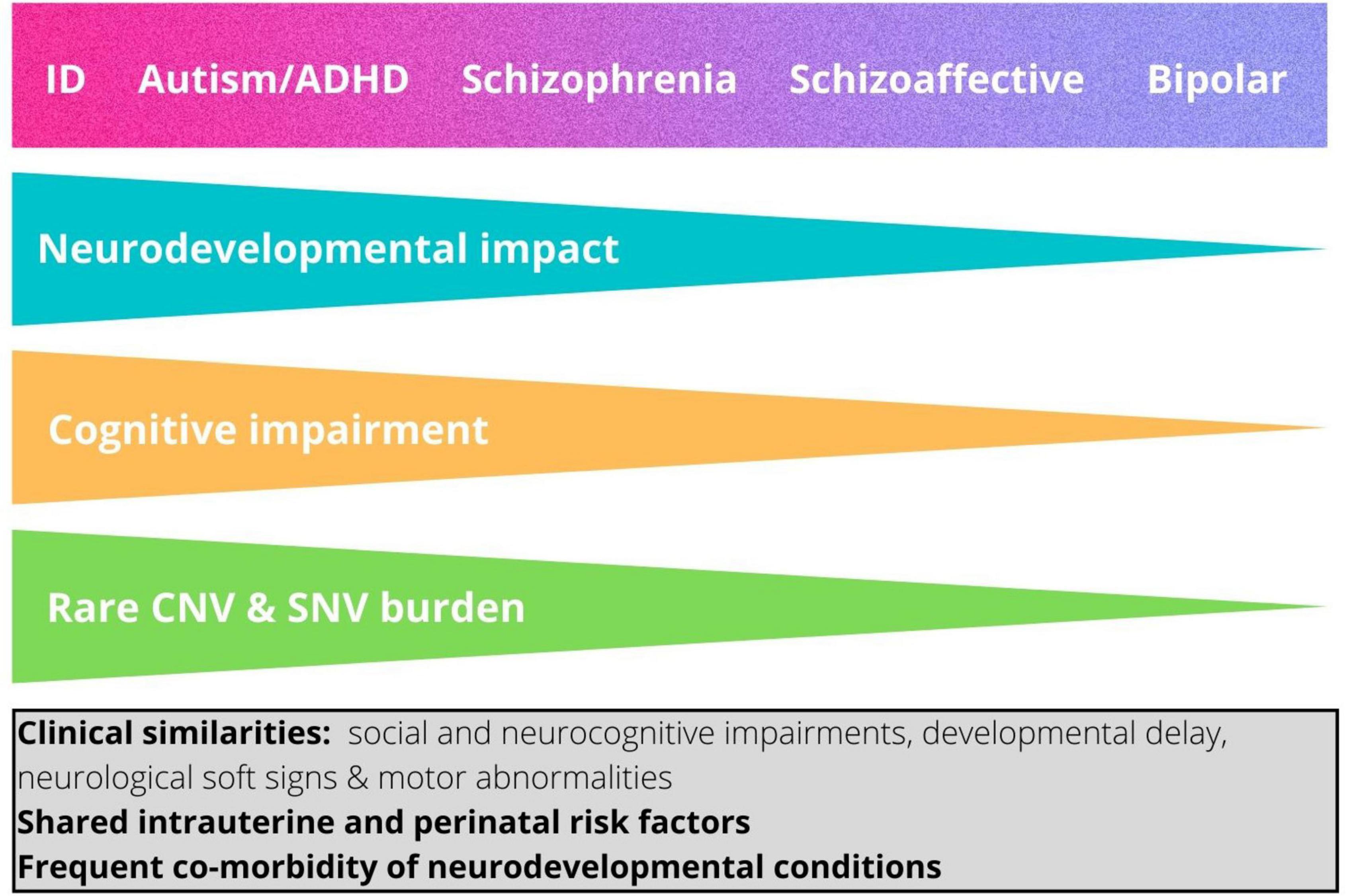
The neurological landscape of autism is richly varied. Studies delineate differences in brain structure and function, including atypical connectivity between neural regions responsible for social cognition and sensory processing. These neurological divergences contribute to distinctive ways autistic individuals perceive and interact with the world.
Sensory processing anomalies are a hallmark of autism, ranging from hypersensitivity to hypo-responsiveness to stimuli such as sound, light, or touch. These sensory differences often influence behaviors as a means of coping or self-regulation. Understanding these neurological components is essential for tailoring effective educational and therapeutic interventions.
It is also important to recognize the cognitive strengths frequently associated with autism. Exceptional memory, pattern recognition, and attention to detail are often seen, demonstrating that autism presents a unique cognitive profile that encompasses more than challenges alone.
Social Communication and Interaction Variability
Social communication is one of the most salient areas affected by autism. Individuals on the spectrum often exhibit difficulties in interpreting social cues, such as facial expressions, tone of voice, or body language. These challenges can lead to misunderstandings in conversational exchanges and affect the establishment of interpersonal relationships.
However, these social variations are not inherently deficits but rather represent alternative modes of interaction. Many autistic individuals develop unique communication styles, including directness, idiosyncratic expressions, and nuanced non-verbal behaviors. Appreciating these distinctive forms enriches the social fabric and fosters inclusive understanding.
Autism and Disability Considerations
One pivotal question often encountered is whether autism qualifies as a disability. The answer resides in recognizing the diverse functional impacts across the spectrum. For some, autism accompanies significant challenges, including difficulties in independent living, employment, and social participation, thereby warranting disability accommodations and support.
The designation of autism as a disability varies by legal frameworks and societal contexts, but it invariably influences access to resources such as specialized education, vocational training, and healthcare. Disability recognition facilitates the removal of barriers, promoting equity and enhancing quality of life for autistic individuals.

Conclusion: Embracing Complexity with Informed Compassion
Understanding autism demands moving beyond stereotypes and simplistic definitions. It calls for a nuanced appreciation of the spectrum’s breadth—from subtle traits within families to profound developmental differences. Recognizing the neurological, cognitive, and social intricacies underscores the importance of personalized approaches in support and intervention.
Autism is not merely a diagnosis; it is a dynamic neurodevelopmental profile that affects perception, communication, and interaction. By embracing this complexity with informed compassion, society can foster environments that respect neurodiversity and empower individuals to thrive in their unique ways.