In the luminous tapestry of human experience, sensory overload stands as a profound challenge for many autistic children and their caregivers. This phenomenon, often cloaked in misunderstanding, demands not only compassion but a reimagined approach that transcends conventional responses. How does one truly help an autistic child navigate the tempest of sensory overload without compounding their distress? The answer lies in a purposeful shift—moving from mere reaction to deliberate, empathetic intervention that both honors and eases their unique sensory landscape.
Understanding Sensory Overload: Beyond the Surface
Sensory overload occurs when autistic children encounter an overwhelming barrage of stimuli—be it auditory, tactile, visual, or olfactory—that their nervous system struggles to process simultaneously. It’s not a simple case of “too much noise” or “too bright lights,” but a complex neurological response that can precipitate profound distress. Recognizing sensory overload as an intricate sensory processing challenge rather than a behavioral issue shifts the entire dynamic, opening pathways towards meaningful assistance.

Recognize the Signs: The Unspoken Language of Overwhelm
Every child expresses discomfort uniquely, and with autistic children, these signals can be subtle or markedly intense. Symptoms range from heightened anxiety, irritability, and withdrawal, to physical manifestations such as covering ears, withdrawing gaze, or repetitive movements. The ability to discern these nuanced cues is indispensable. This heightened awareness not only facilitates timely intervention but also communicates respect for the child’s lived experience.
Moreover, consider sensory diaries or logs: documenting triggers alongside behavioral responses can unearth patterns that otherwise remain obscured, enabling preemptive strategies tailored to the individual’s sensory thresholds.
Creating a Sanctuary: The Power of Environment
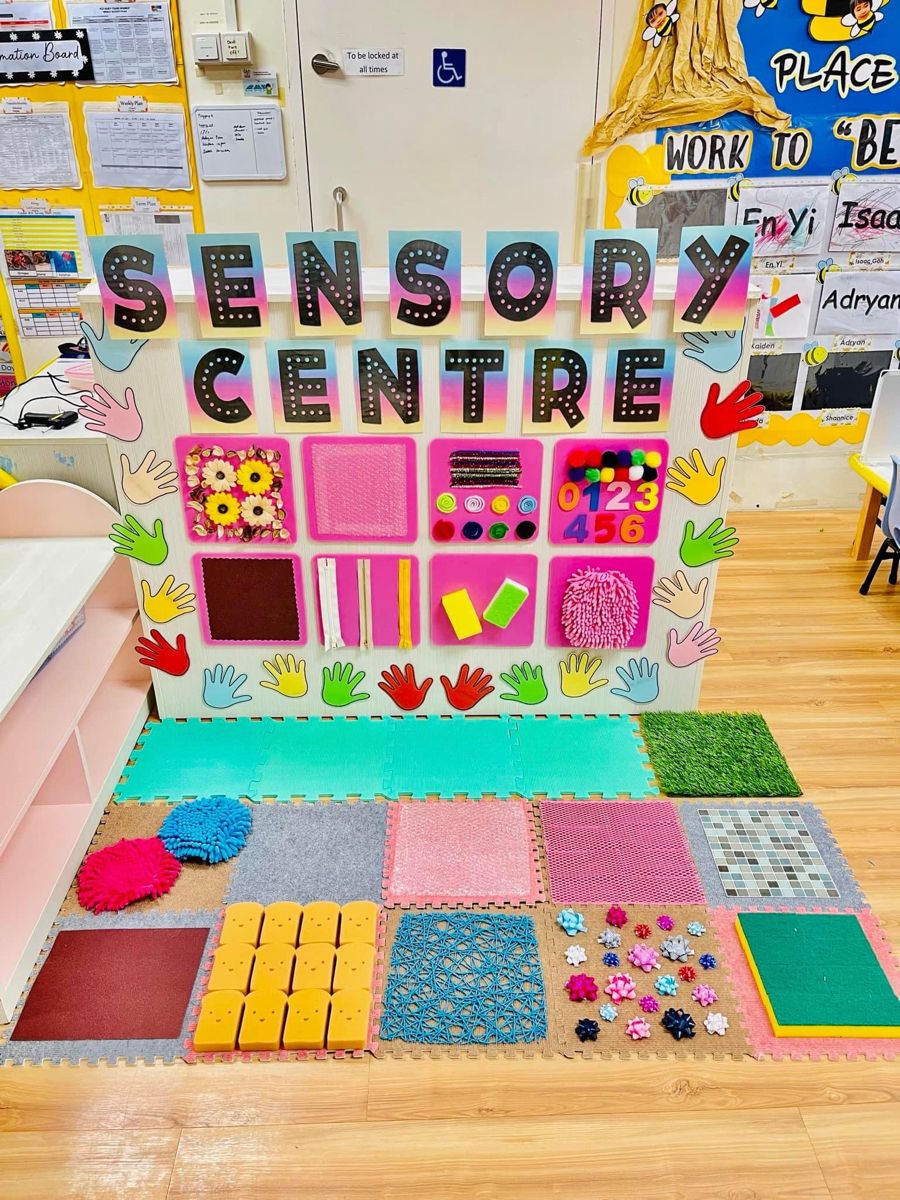
The environment can either exacerbate or alleviate sensory overload. Transforming everyday spaces into sensory-friendly sanctuaries requires meticulous attention to sensory inputs. Employ muted lighting, soundproofing elements, and textured furnishings that reduce overwhelming stimuli. For example, noise-canceling headphones or weighted blankets often provide tactile and auditory comfort.
This is not merely about elimination but intentional design. Each modification serves as a tactile whisper of calm amidst a cacophony, empowering the child to reclaim agency over their sensory environment.
Mindful Communication: The Language of Reassurance
Words wield immense power. When a child is engulfed in sensory turmoil, verbal communication may hinder rather than help if it is rushed or laden with complexity. Instead, employ soothing tones, measured breathing, and simple, clear phrases. Validate the child’s feelings without judgment: “I see this feels really hard right now.” Soft repetition of reassuring phrases can create a tether to safety amidst internal chaos.
Additionally, nonverbal communication—gentle touch, proximity without intrusion, and patient eye contact—can reinforce trust. This mindful engagement honors the sensory sensitivities and emotional state of the child, fostering a sanctuary of calm within interpersonal connection.
Developing Personalized Sensory Strategies
No two autistic children experience sensory overload identically. Hence, the development of bespoke sensory strategies is paramount. This might encompass a “sensory toolkit”—a curated collection of soothing objects such as fidget toys, scented items, or textured fabrics that the child finds comforting.
Equally critical is teaching self-regulation techniques appropriate to the child’s developmental stage. Some may benefit from deep pressure input or guided breathing exercises, while others might find solace in repetitive rhythmic movements. Collaborating with occupational therapists or sensory integration specialists can enrich this individualized regimen significantly.
Empowering Through Predictability and Routine
Disruptions in routine often exacerbate sensory vulnerability. Predictability creates a scaffold of security, allowing the child to anticipate and mentally prepare for sensory events. Visual schedules, countdown timers, and consistent daily structures diminish the unpredictability that compounds sensory intolerance.
However, fostering flexibility within routine is equally critical; equipping the child with coping tools when deviations occur enhances resilience and self-efficacy in the face of sensory challenges.
Educating and Advocating: Cultivating a Supportive Network
Parents, educators, and caregivers form an ecosystem around the child, influencing their sensory wellbeing. Disseminating knowledge about sensory overload fosters empathy and reduces stigma within this network. Advocacy for sensory-inclusive policies in schools, public spaces, and community events generates environments where sensory needs are acknowledged and respected.
Furthermore, peer education and inclusion initiatives nurture understanding among classmates, facilitating social harmony and reducing isolation for the autistic child.

Looking Forward: Embracing Hope and Progress
Helping an autistic child during sensory overload is not an isolated task but a continuous journey—one marked by trial, error, and incremental victories. It demands patience and an evolving understanding, anchored in the recognition that sensory experiences are as richly varied as the children themselves.
By embracing nuanced understanding, transforming environments, and nurturing communication, caregivers can transcend the instinct to simply manage sensory overload. Instead, they become architects of empowerment, enabling the child to navigate their sensory world with greater ease and confidence.
Ultimately, the promise lies not just in alleviating moments of overwhelm, but in reshaping perspectives—inviting caregivers to see sensory overload not as a barrier, but as a gateway to deeper connection and profound empathy.