Autism spectrum disorder (ASD) is a complex neurodevelopmental condition marked by a wide variety of behavioral and cognitive traits. Yet, despite advances in diagnostic methods, misdiagnosis of autism remains a pervasive issue, affecting individuals and families profoundly. Understanding the nuances behind these diagnostic errors is essential—not only to forge accurate assessments but also to tailor effective interventions that truly meet the needs of those on the spectrum. This article delves into the common pitfalls in autism diagnosis and outlines strategies to mitigate these errors for a clearer diagnostic pathway.
Understanding the Complexity of Autism Diagnosis
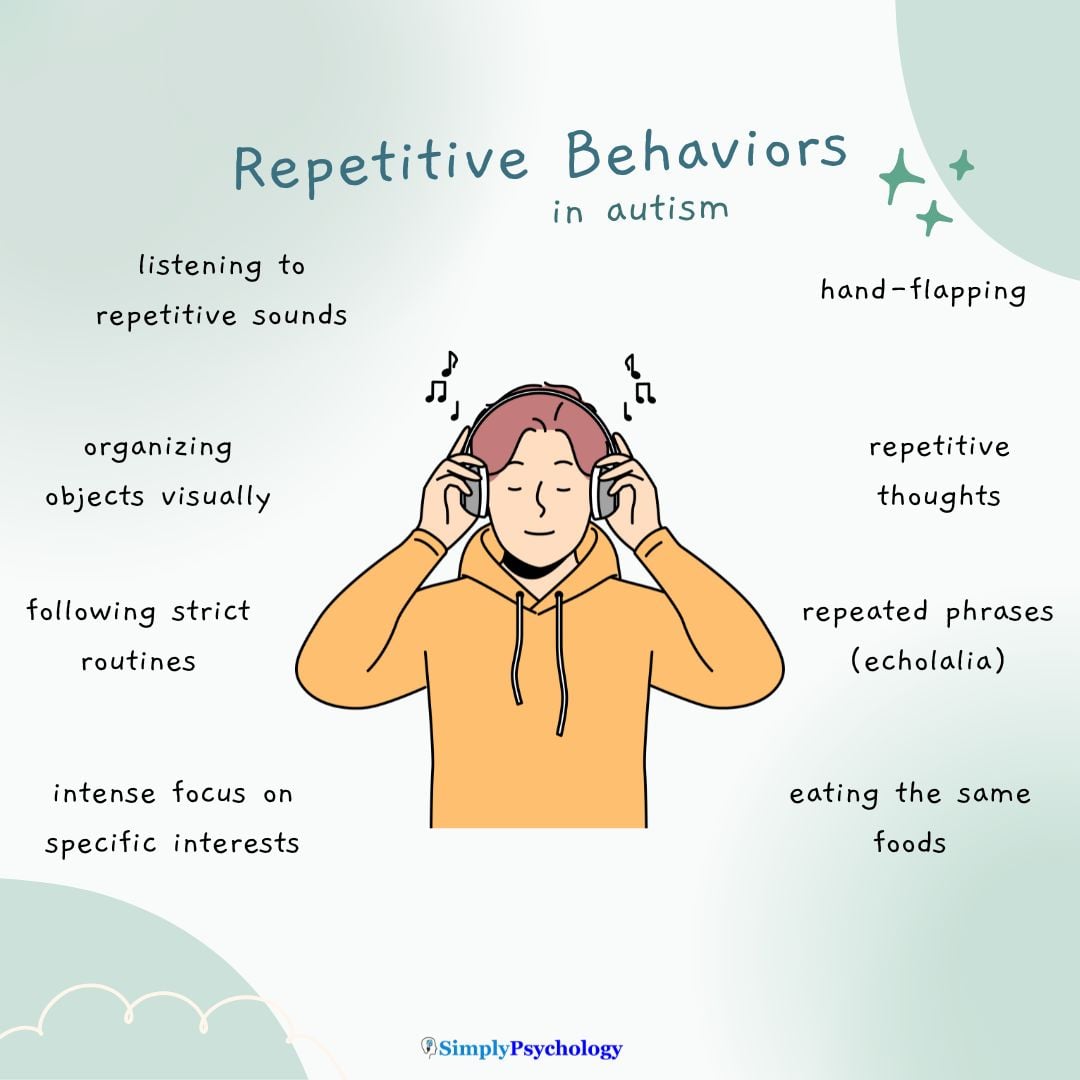
Autism is a spectrum disorder, characterized by diverse presentations and ranges of severity. This intrinsic heterogeneity often complicates the diagnostic process, leading to both overdiagnosis and underdiagnosis. The subtlety of certain behaviors, comorbid conditions, and the variability in developmental trajectories further obscure clinical clarity. A child exhibiting social communication challenges might be misclassified with autism when, in fact, other psychiatric or developmental disorders better explain the behaviors.

Common Misdiagnoses and Their Implications
Frequently, autism is conflated with conditions such as attention deficit hyperactivity disorder (ADHD), social communication disorder, anxiety disorders, or intellectual disabilities. These inaccuracies can lead to inappropriate treatments, wasted resources, and emotional strain for both individuals and caregivers. For example, symptoms like hyperactivity and inattentiveness could be mistakenly attributed solely to ADHD when they co-exist with undiagnosed autism, thereby complicating the therapeutic approach.
Conversely, some individuals on the spectrum are overlooked due to their high intellectual functioning or the presence of compensatory social skills, often described as having “masking behaviors.” This camouflage can delay essential interventions, exacerbating social isolation and mental health challenges over time.
Diagnostic Tools: Advantages and Limitations
Various structured instruments—such as the Autism Diagnostic Observation Schedule (ADOS) and the Autism Diagnostic Interview-Revised (ADI-R)—form the backbone of clinical evaluations. While standardized tools provide consistency and comparability, their efficacy is contingent upon the administration expertise and the context in which they are applied.
Moreover, these assessments often lack cultural sensitivity and may not account for socioeconomic factors, potentially skewing results. A nuanced approach requires integrating clinical observations with detailed developmental histories and multidisciplinary input to reduce interpretative errors.
Role of Comorbidities in Confounding Diagnosis
The presence of multiple co-occurring conditions further muddies the diagnostic waters. Anxiety, depression, sensory processing disorder, and language impairments frequently coexist with autism, resulting in a complex clinical picture. Clinicians may prioritize more overt psychiatric symptoms, inadvertently sidelining the underlying neurodevelopmental factors. This approach risks fragmented care and delayed implementation of autism-specific interventions.

Strategies to Avoid Autism Misdiagnosis
Preventing diagnostic errors requires a multifaceted strategy anchored in thoroughness and empathy. Firstly, clinicians must pursue comprehensive developmental assessments that span cognitive, linguistic, behavioral, and social domains.
Next, adopting a longitudinal approach, monitoring symptom evolution over time rather than relying on one-off evaluations, can capture the fluidity of autism presentation. Collaboration among specialists—neurologists, psychologists, speech therapists, and educators—is indispensable for a holistic understanding.
Training in cultural competence and awareness of gender differences are also vital. Girls and women on the spectrum are notably underdiagnosed due to differing symptom manifestations and social conditioning that encourages masking. Finally, incorporating feedback from families and caregivers ensures real-world insights complement clinical data.
Educational and Supportive Interventions Post-Diagnosis
Accurate diagnosis is merely the first step toward improving quality of life. Tailored educational plans, social skills training, and behavioral therapies serve as cornerstones in supporting autistic individuals. Misdiagnoses can lead to inappropriate or ineffective interventions, squandering critical developmental windows.
It is paramount that diagnostic precision translates into personalized supports respecting each individual’s strengths and challenges. This alignment fosters empowerment and gradual skill acquisition, ultimately bolstering independence and well-being.

Conclusion: Toward Diagnostic Accuracy and Compassionate Care
The labyrinthine nature of autism spectrum disorder demands vigilance, patience, and multidimensional expertise in diagnosis. By recognizing the common errors—oversights related to comorbidities, reliance on limited assessment tools, and sociocultural negligence—healthcare providers can refine their processes to reduce misdiagnoses markedly.
Ultimately, the mission transcends labeling; it is about illuminating pathways to understanding, acceptance, and tailored support. Increasing diagnostic accuracy not only alleviates the burdens of uncertainty but also opens doors to meaningful interventions that honor the individuality of every person on the spectrum.