Autism is often likened to an intricate tapestry—woven from countless fibers of individuality, brilliance, and complexity. Yet, over time, a shadow of misconceptions has draped over this tapestry, distorting its true colors. Myths about autism are like mirages in a vast desert, tempting us with deceptive illusions, while the authentic landscape remains tantalizingly elusive. To traverse this terrain accurately, it is essential to distinguish myth from fact, unraveling the threads that bind misunderstanding and revealing an enlightened narrative.
The Myth of a Single Autism Profile
One of the most pervasive misunderstandings is the notion that autism manifests uniformly in every individual. This myth paints a monolithic portrait of autism, akin to presuming every star in the night sky shines with identical luminance and hue. In reality, autism spectrum disorder (ASD) is a spectrum precisely because it encompasses a vast array of traits, behaviors, and challenges.
Some individuals may exhibit notable difficulties with verbal communication, while others might possess eloquent speech but grapple with social nuances. The range extends to sensory sensitivities, cognitive abilities, and emotional processing. The uniqueness of each individual’s experience invalidates any attempt to fit autism into a singular mold. To appreciate autism is to recognize it as a constellation, each star distinct yet collectively part of an awe-inspiring cosmos.
Autism as a Disease: Fallacy vs. Reality
Another entrenched myth is that autism is an illness or a disease to be cured. This misconception can lead to stigma and misplaced perceptions about the goals of support and intervention.
Autism is a neurodevelopmental condition—an intrinsic wiring of the brain that shapes perception, thought processes, and interaction with the world. It is not an infection, nor a pathology to eradicate; rather, it is a variation in human neurology. Viewing autism through the lens of pathology is like misunderstanding a river’s course as a destructive force instead of recognizing it as a vital experience of nature’s diversity.
Intervention and support aim to empower individuals to navigate a world not always designed for them, not to erase their authentic selves. Acceptance and accommodation are the keystones of fostering inclusion and well-being.
Autism and Intellectual Ability: Debunking Oversimplification
The image of a person with autism often erroneously aligns with intellectual disability—or conversely, with savant-like genius. Both extremes are part of a dangerous oversimplification.
While some people with autism may have co-occurring intellectual disabilities, many have average to above-average intelligence. The diversity in cognitive function defies simplistic categorization. It’s paramount to understand that intellect isn’t the defining feature of autism; rather, it is the distinctive ways in which the brain processes stimuli, social information, and sensory input that characterize the spectrum.

The Myth of Social Indifference
A common misconception is that individuals with autism lack empathy or do not desire social connection. This notion stems from misunderstandings of how social communication is expressed rather than a true absence of emotional depth.
Many with autism experience profound empathy and a desire for genuine connection. Their social expressions might differ—delayed responses, challenges interpreting nonverbal cues or maintaining eye contact. These behaviors are often misinterpreted as indifference, but in essence, they reflect alternative modes of engagement. The rich inner emotional lives of those on the spectrum demand recognition beyond surface-level judgments.
Autism is Caused by Bad Parenting or Vaccines: Dispelling Dangerous Myths
Falsehoods about the origins of autism have circulated widely, causing unwarranted blame and fear. The notion linking vaccines, particularly the MMR vaccine, to autism has been thoroughly debunked by extensive scientific research. Similarly, the outdated and distressing myth that poor parenting causes autism has no factual foundation.
Autism’s genesis lies in complex neurobiological and genetic factors, still under study but undeniable in their biological basis. Misguided beliefs fuel stigma, hesitancy toward vaccinations, and estrangement of families coping with autism. A paradigm shift grounded in evidence is imperative to overturn these harmful fallacies.
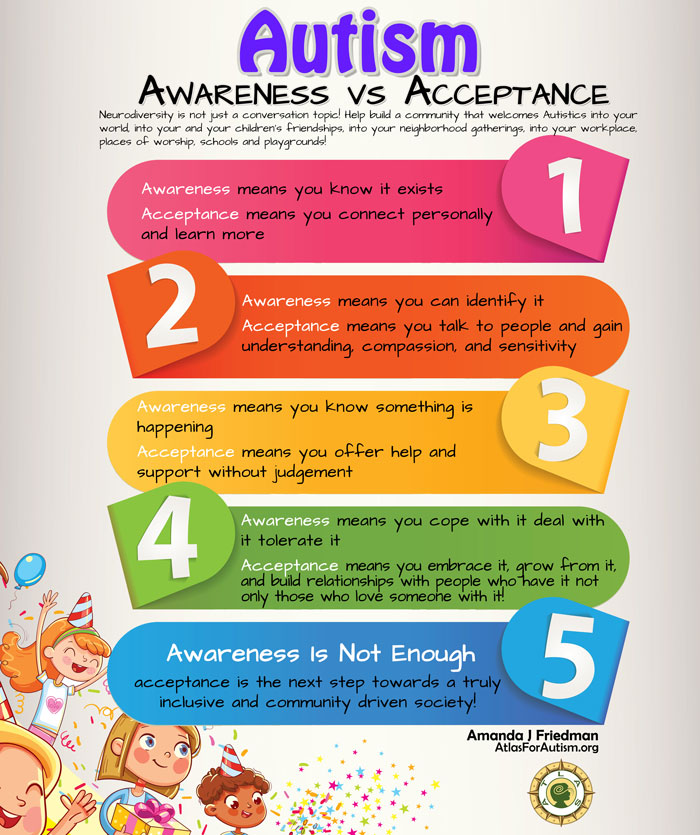
The Power of Acceptance Over Awareness
Raising awareness about autism is no longer sufficient in itself; there must be an evolution toward acceptance and appreciation. Many campaigns focus merely on recognition rather than inclusion, leaving the onus on autistic individuals to adapt to a neurotypical world.
Acceptance implies a deeper understanding—acknowledging and valuing neurodiversity as part of human variation. Like a garden flourishing from a variety of plants, our communities are enriched by the presence of different neurological makeups, each contributing unique perspectives and talents.
Conclusion: A Call to Illuminate and Embrace Truth
Myths about autism are shadows cast by ignorance, lingering where knowledge and empathy have yet to pierce. The facts, by contrast, are the dawn breaking that dispels these shadows, illuminating the spectrum’s true beauty and complexity.
To test your knowledge is to examine each claim critically, to ask not just what you have heard but what evidence supports it. Embracing the truth about autism beckons society forward—toward deeper inclusion, respect, and celebration of neurodiversity. The tapestry of autism is rich, vibrant, and invaluable, inviting all to see beyond myths and participate in crafting a world where every thread is honored and understood.