Have you ever wondered if a simple questionnaire or a professional evaluation could unveil hidden layers of the human mind, particularly relating to autism? The prospect of navigating through the realms of neurodiversity can evoke both curiosity and apprehension. When should one consider embarking on the journey of autism screening, and how exactly does the testing process unfold? These questions can pose a subtle challenge, especially for those unfamiliar with the nuanced pathways to diagnosis and assessment.
Understanding the Importance of Early Autism Screening
Detecting autism spectrum disorder (ASD) at the earliest possible stage is not merely a clinical protocol; it is a pivotal intervention that can significantly influence an individual’s developmental trajectory. Early screening acts as a gateway to timely support, tailored therapies, and educational adjustments that accommodate diverse neurological profiles. But more than this, it demystifies behaviors and characteristics that might otherwise be misinterpreted or overlooked.
Autism is characterized by a spectrum of conditions affecting social interaction, communication, interests, and behavior. These manifestations vary dramatically among individuals, often making it a formidable challenge to identify without systematic screening tools. Early detection, particularly in children, empowers caregivers and clinicians to foster an environment conducive to growth, resilience, and self-advocacy.
The Optimal Timing for Autism Screening
When, precisely, should one pursue autism testing? While concerns about developmental differences may arise at any age, prevailing clinical guidelines advocate for screening during infancy and toddlerhood—typically between 18 and 24 months of age. This window exploits the neuroplasticity of young brains, where intervention efforts may yield transformative results.
However, autism is sometimes diagnosed well into adolescence or adulthood, especially in cases with subtle symptoms or where compensatory behaviors mask underlying challenges. Adults who suspect they are on the spectrum often encounter unique barriers to diagnosis, such as lack of access to specialized clinicians or misconceptions about what constitutes autism in mature individuals. Thus, there is no “too late” when it comes to seeking evaluation; the benefits of assessment extend across the lifespan.
Screening Tools: From Questionnaires to Clinical Evaluations
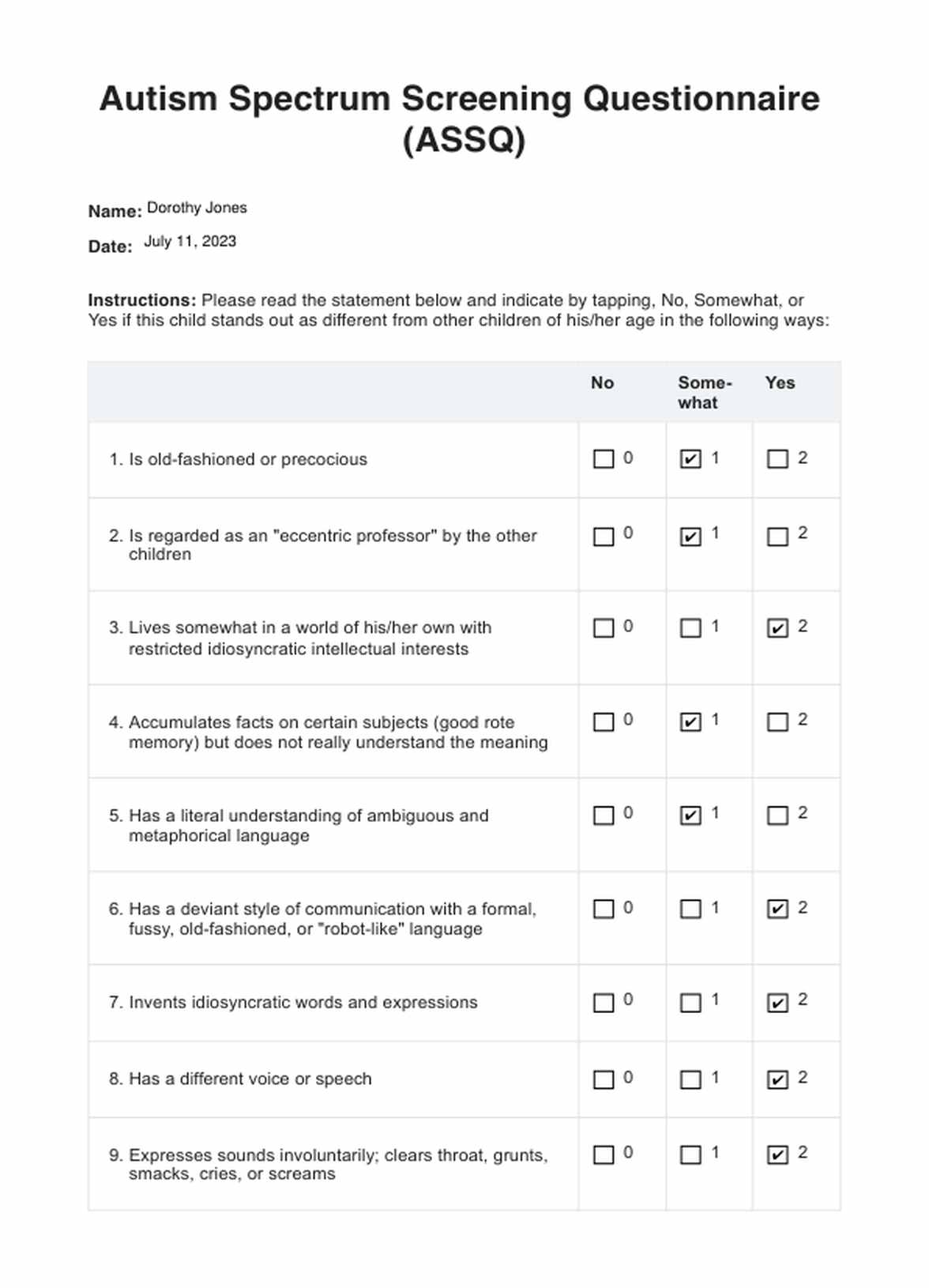
The process begins with screening instruments designed to identify individuals who may benefit from a comprehensive diagnostic assessment. One widely used tool is the Autism Spectrum Screening Questionnaire (ASSQ), a succinct yet robust survey that probes behavioral nuances and social challenges. The ASSQ, available in various formats including PDF, serves as an initial filter, often administered by pediatricians, educators, or parents.
Beyond the questionnaire stage, a detailed diagnostic evaluation involves multidisciplinary teams utilizing clinical observations, developmental history, and standardized tests. Tools such as the Autism Diagnostic Observation Schedule (ADOS) and the Autism Diagnostic Interview-Revised (ADI-R) form the cornerstone of such assessments. These evaluations require trained specialists who can discern differential diagnoses and co-occurring conditions.
Navigating the Testing Experience: What to Expect
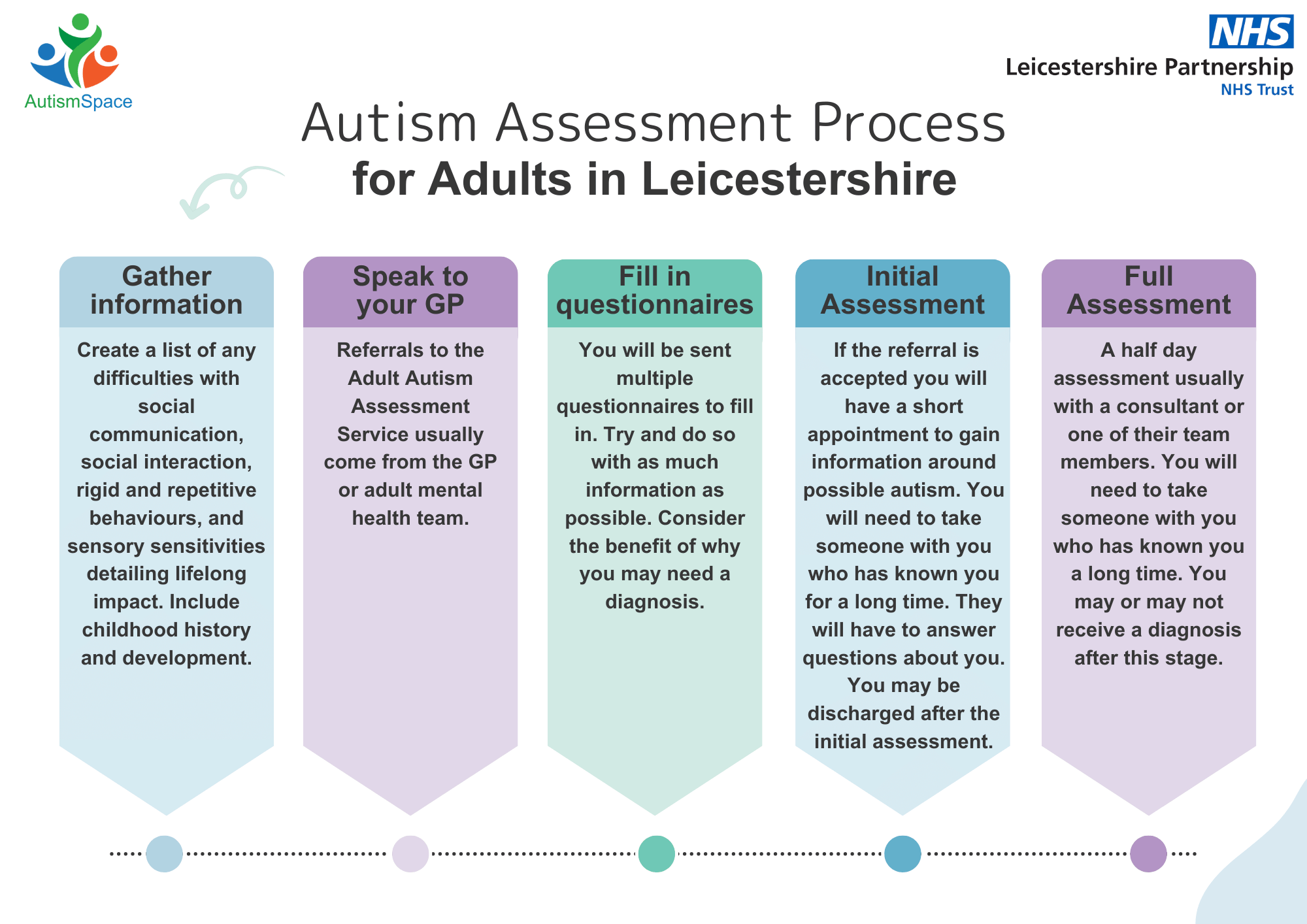
For many, embarking on autism testing is a daunting endeavor. Understanding the procedural landscape can alleviate anxiety and encourage proactive participation. Typically, the screening begins with a discussion about developmental milestones, social behaviors, and communication patterns. Follow-up steps may include direct observation sessions, interaction-based assessments, or input from caregivers and teachers.
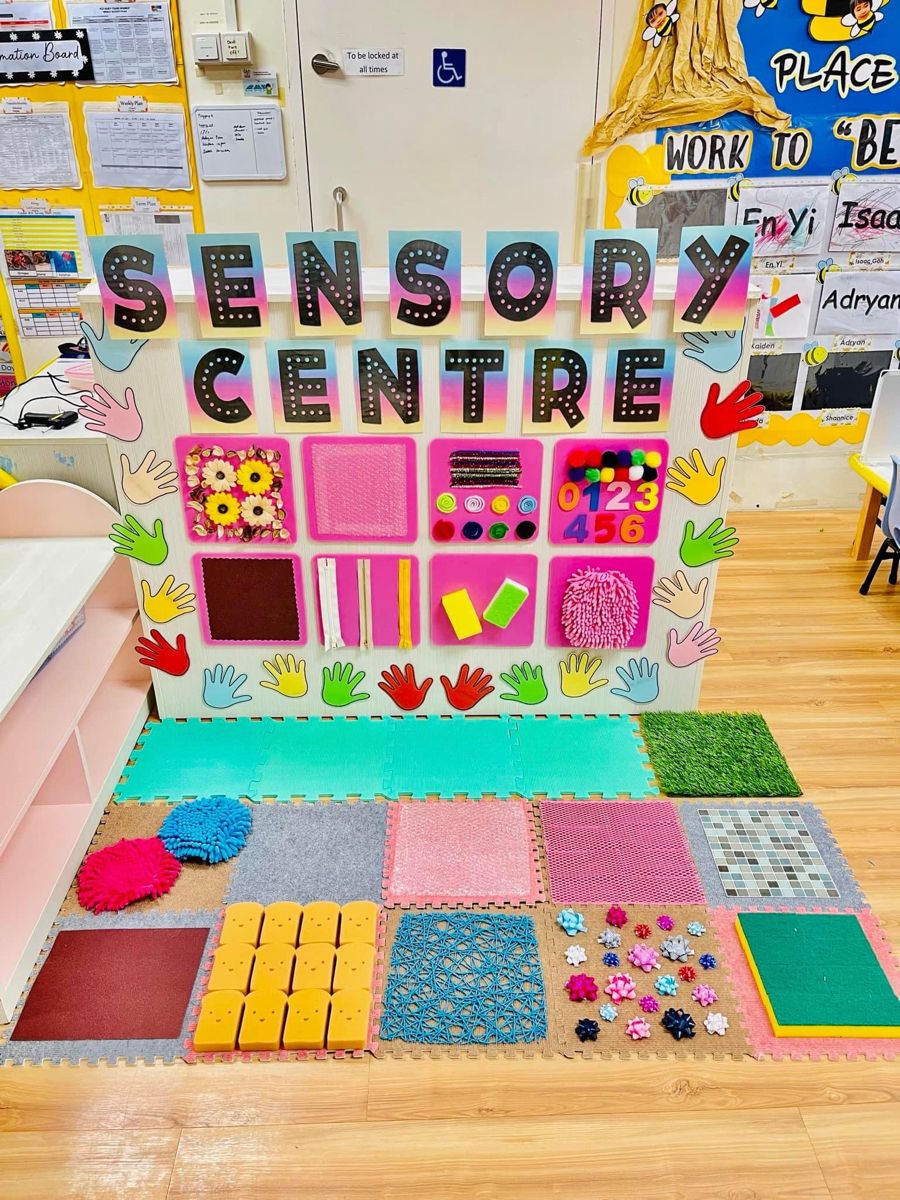
Testing environments strive to be supportive and accommodating, recognizing the sensory sensitivities often associated with autism. The duration and complexity of the evaluation depend on age, presenting concerns, and prior history. The goal is to formulate a comprehensive profile that informs not only diagnosis but also personalized recommendations for intervention and support.

Interpreting Results and Planning Next Steps
Once testing is complete, results are discussed with the individual and/or their caregivers in a detailed feedback session. A diagnosis, if conferred, represents not a limitation but a framework for understanding and resources. Equally important are the recommendations for therapeutic modalities, educational accommodations, and community resources that promote well-being and skill development.
It is crucial to maintain an ongoing dialogue with healthcare providers, educators, and support networks. Autism is a lifelong journey—dynamic and evolving. Adjustments to intervention plans may be necessary as new challenges and strengths emerge. The diagnostic outcome is not a static label but part of a holistic approach to nurturing potential and autonomy.
Challenges and Misconceptions Surrounding Autism Screening
Despite advances in awareness, autism screening still contends with various obstacles. Stigma, misinformation, and access disparities can hinder individuals from seeking evaluation or accepting a diagnosis. Moreover, the heterogeneity of autism complicates the development of universal tests that capture every nuance of the spectrum.
Some individuals, especially those with high verbal abilities or subtle social difficulties, may evade identification through standardized screening. Cultural factors and socioeconomic status also influence screening uptake and interpretation. These challenges underscore the necessity for culturally sensitive, accessible, and multidisciplinary approaches.
Harnessing the Power of Knowledge: Encouraging Proactive Screening
Ultimately, embracing the process of autism screening is an act of empowerment. Recognizing the signs, asking questions, and seeking professional guidance invite clarity and connection. Whether for a concerned parent watching developmental milestones or an adult reflecting on lifetime experiences, screening opens pathways for self-discovery and tailored support.
The endeavor transcends diagnostic labels and reaches into the heart of fostering neurodiversity as an intrinsic aspect of human existence. It demands courage, understanding, and collaboration, with the promise of enriched lives and communities.
In the mosaic of human development, autism screening emerges as a vital tool for illuminating differences that enrich our collective narrative. By demystifying when and how to get tested, individuals and families are better equipped to navigate the intricate landscape of neurodiversity—transforming potential challenges into opportunities for growth and connection.