Understanding Autism Spectrum Disorder (ASD) is a profound journey that encompasses recognizing diverse behaviors, navigating complex emotions, and embracing the unique neurodevelopmental patterns that characterize this condition. For parents, this voyage often involves deciphering medical jargon, identifying therapeutic interventions, and fostering environments conducive to growth and wellbeing. This comprehensive guide serves as a beacon, illuminating the multifaceted nature of ASD and equipping caregivers with insightful knowledge, practical strategies, and empathetic perspectives.
Defining Autism Spectrum Disorder
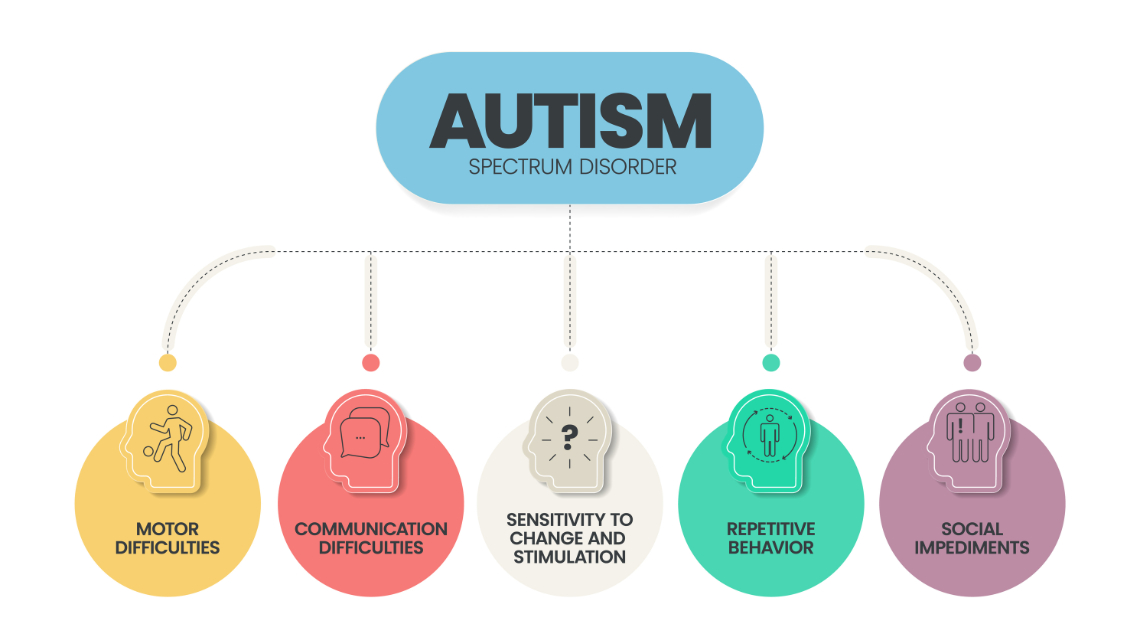
Autism Spectrum Disorder is an intricate neurodevelopmental condition marked by variations in social communication, restrictive interests, and repetitive behaviors. Unlike monolithic diagnoses, ASD presents along a broad continuum, characterized by heterogeneity in symptoms, severity, and adaptive capabilities. Children on the spectrum may exhibit diverse cognitive profiles, ranging from intellectual disability to extraordinary talents, underscoring the importance of individualized understanding.
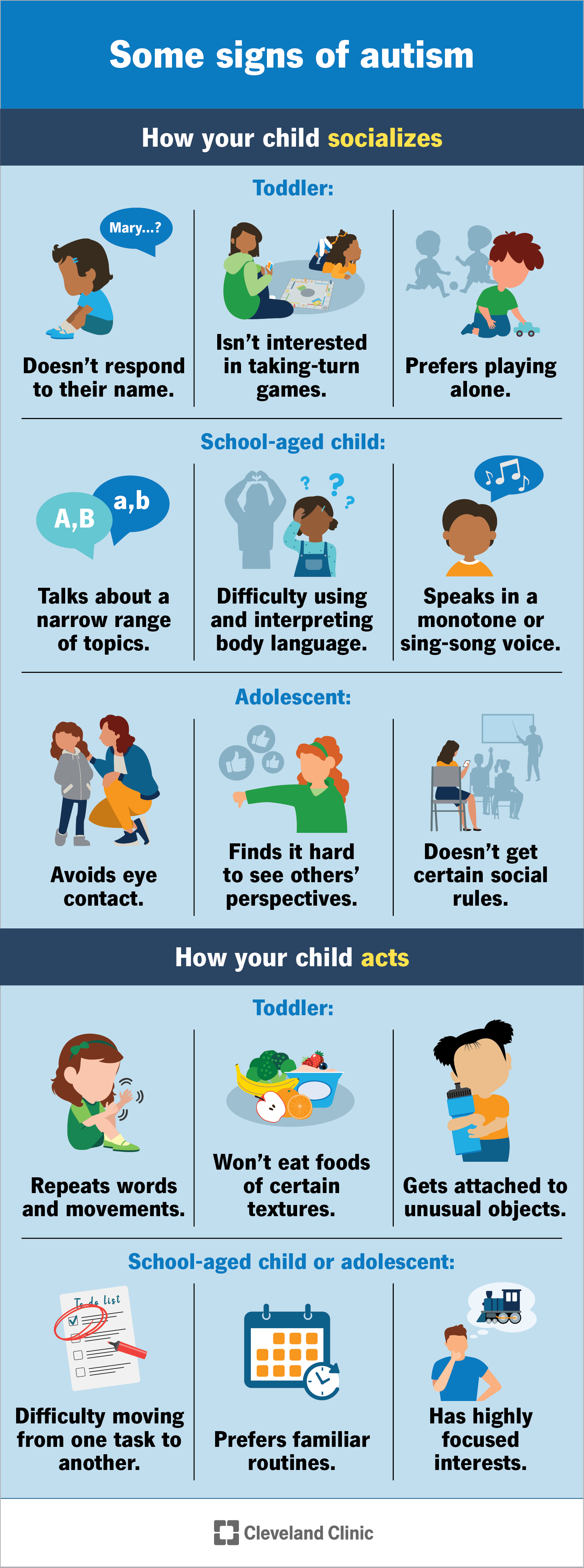
Early identification is paramount, as subtle signs frequently manifest during toddlerhood. Challenges with eye contact, language acquisition delays, and difficulties in social reciprocity can be early indicators. Recognizing these nuances allows parents to initiate timely assessments and interventions, thereby optimizing developmental trajectories.
Types and Classifications Within the Spectrum
The spectrum paradigm replaces earlier categorizations that segmented autism into distinct disorders such as Asperger’s Syndrome or Pervasive Developmental Disorder-Not Otherwise Specified (PDD-NOS). Current diagnostic frameworks emphasize a dimensional approach, acknowledging variations in communication ability, intellectual function, and behavioral manifestations. Within this framework, individuals may be described as high-functioning or low-functioning, terms which, while common, are increasingly considered reductive and nuanced.
High-functioning autism is characterized by average to above-average intelligence and relatively preserved language skills, though social impairments and sensory sensitivities remain prevalent. Conversely, those with more significant cognitive and communicative challenges may require comprehensive support across multiple domains of life.
Diagnostic Process and Considerations
The clinical evaluation for ASD involves a multidisciplinary approach. Developmental pediatricians, psychologists, and speech-language pathologists collaboratively administer behavioral assessments, standardized screening tools, and developmental histories. The Autism Diagnostic Observation Schedule (ADOS) and Autism Diagnostic Interview-Revised (ADI-R) represent key instruments utilized to delineate the presence and extent of autistic traits.
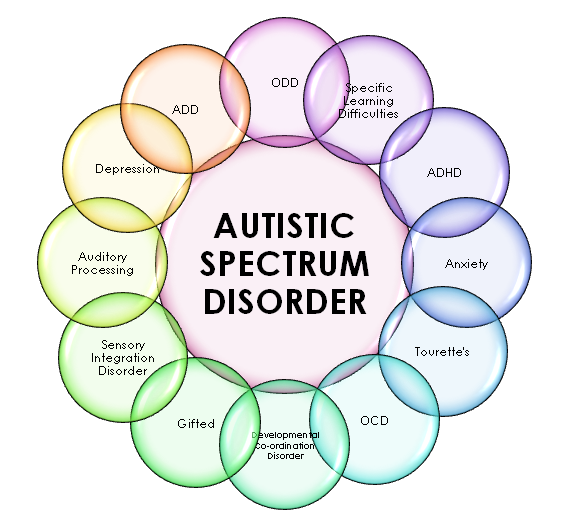
Parents play a critical role by providing nuanced accounts of their child’s communication styles, social interactions, and behavioral patterns. Comprehensive evaluations also assess comorbid conditions such as attention-deficit/hyperactivity disorder (ADHD), anxiety disorders, and epilepsy, which may complicate the clinical picture and influence treatment planning.
Therapeutic Interventions and Support Strategies
Intervention paradigms strive to enhance functional independence, communication proficiency, and adaptive behaviors. Applied Behavior Analysis (ABA) remains one of the most extensively researched methodologies, utilizing operant conditioning to reinforce desirable behaviors and mitigate maladaptive responses. However, contemporary approaches also emphasize person-centered and strengths-based models that prioritize the child’s preferences and autonomy.
Speech and occupational therapies address pragmatic communication challenges and sensory integration dysfunctions, respectively. Social skills groups encourage peer interaction in structured environments, fostering essential interpersonal capabilities. Tailored educational plans (IEPs) within school settings facilitate academic achievement while accommodating individual learning needs.
Navigating Family Dynamics and Emotional Wellbeing
The diagnosis of ASD invariably impacts the entire family system. Parents may grapple with a spectrum of emotions—ranging from grief and anxiety to hope and advocacy empowerment. Siblings may experience a mixture of protective instincts, jealousy, or confusion, underscoring the importance of inclusive family counseling and support networks.
Parental self-care is crucial. Engaging with support groups, respite care options, and mental health resources enables caregivers to replenish emotional reserves and sustain long-term resilience. Empowerment also emerges through education, connecting with communities, and sharing lived experiences, transforming isolation into collective strength.
Educational Options and Advocacy
Educational attainment forms a cornerstone of lifelong independence for individuals with ASD. Understanding the spectrum of schooling options—from mainstream inclusion to specialized programs—empowers parents to make informed decisions. Advocating for appropriate accommodations, whether through assistive technology or modified curricula, bolsters the child’s academic and social engagement.
Collaboration between families, educators, and clinicians ensures that educational environments are not only accessible but also nurturing. Early intervention programs further establish foundational skills that propel success within formal schooling and beyond. Knowledge of legal protections and individualized education plans can be vital tools in safeguarding educational rights.
Preparing for Adulthood and Beyond
Transitioning from adolescence to adulthood introduces new challenges and opportunities. Vocational training, independent living skills, and social integration become focal points. Many adults with ASD lead fulfilling lives, enriched by tailored support services and a robust community network.
Planning ahead involves addressing healthcare continuity, employment prospects, and legal considerations such as guardianship. Encouraging self-advocacy and autonomy remains central, as does fostering environments that celebrate neurodiversity. The spectrum continues beyond childhood, inviting ongoing engagement and adaptation from families and caregivers.

Embarking on this path of understanding and advocacy requires patience, knowledge, and compassion. Autism Spectrum Disorder encompasses a vast landscape of individuality, challenges, and potentials. Equipped with awareness and resources, parents can navigate this complex terrain, championing their child’s unique journey toward growth, connection, and fulfillment.