Imagine the intricate tapestry of human cognition as a vast constellation, each star representing a distinct pattern of thought, behavior, and emotion. Autism Spectrum Disorder (ASD) is like a unique constellation within this cosmic array—complex, multifaceted, and profoundly individualized. It is not merely a diagnosis but a spectrum where no two stars shine identically, and this diversity demands both understanding and empathetic support.
Unraveling the Threads: What Is Autism Spectrum Disorder?
Autism Spectrum Disorder is a neurodevelopmental condition characterized by variations in social communication, behavior, and sensory processing. Far from a monolith, ASD manifests along a continuum, influencing individuals in myriad ways that range from subtle to overt. The term “spectrum” underscores this vast heterogeneity, illustrating that every individual’s experience is distinct, nuanced, and deeply personal.
At the heart of ASD lies a divergence in how neural pathways are wired, shaping how individuals perceive the world and interact with those around them. This divergence is not a deficit, but rather an alternative cognitive style, with its encyclopedia of strengths and challenges woven tightly together.
The Complex Mosaic of Symptoms
The manifestations of ASD can be likened to a mosaic—each piece representing a different symptom that combines to form the whole picture of the disorder. Core features typically include difficulties with social communication and interaction, alongside the presence of restricted, repetitive behaviors or interests.
Social challenges might appear as difficulty understanding social cues, trouble maintaining conversations, or a marked preference for solitude. Some individuals exhibit an exceptional ability to hyperfocus on specific interests—a trait often misunderstood but indicative of profound cognitive intensity.
Repetitive behaviors may range from hand-flapping and rocking to an insistence on rigid routines, reflecting a deep-rooted need for predictability amid sensory or emotional overload. Sensory sensitivities add another layer to the mosaic, with affected individuals experiencing intensified reactions to stimuli such as sounds, lights, or textures.

Importantly, symptoms manifest differently across age and gender, often complicating early identification. Females with ASD, for example, may mask their symptoms more effectively, leading to under-diagnosis, which further compounds challenges around timely intervention.
Delving into Origins: The Causes Behind ASD
The genesis of Autism Spectrum Disorder is a mosaic of genetic, environmental, and neurological factors coming together in a complex interplay. Genetic predisposition plays a pivotal role, with numerous genes implicated but no single causative gene identified. This genetic tapestry interweaves with early developmental environments and prenatal influences.
Research highlights the influence of maternal health, prenatal exposure to certain chemicals or medications, and complications during pregnancy or birth as potential contributing factors. It is critical to understand that ASD is not caused by parenting styles or singular environmental exposures but is rooted deeply in the neurobiological architecture of the brain.
Neurological investigations reveal atypical connectivity patterns in the brain, particularly affecting regions responsible for social cognition, language, and sensory integration. This neurological divergence is what fundamentally differentiates the autistic brain’s perceptual and processing styles from neurotypical patterns.
Illuminating the Shadows: Supporting Individuals with ASD
Support for individuals with Autism Spectrum Disorder is a compass guiding through the constellation of challenges and strengths. It is as vital as the air they breathe, shaping not only quality of life but also unlocking potential and fostering independence.
Early intervention programs are paramount, focusing on developing communication skills, social engagement, and adaptive behaviors. Applied behavior analysis (ABA), speech therapy, occupational therapy, and social skills training are among the most effective modalities. These approaches are tailored to individual needs and evolve as the person grows.
Support extends beyond individual therapy to the social ecosystem—families, schools, workplaces, and communities must cultivate understanding and flexibility. Includes accommodations that reduce sensory overload and promote accessible communication methods.
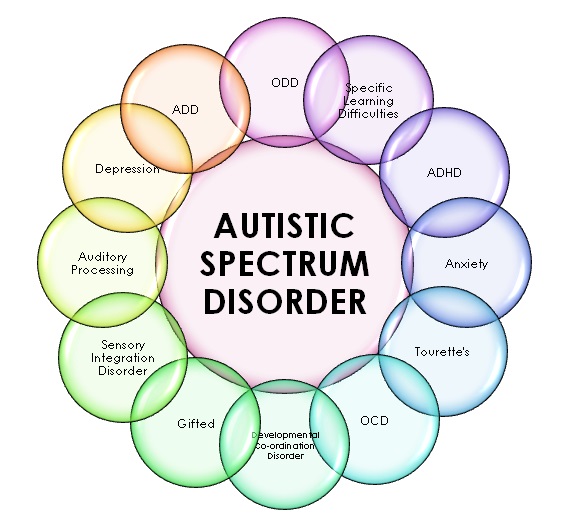
Empowerment also stems from recognizing and nurturing the unique talents of those on the spectrum. Many individuals exhibit extraordinary abilities in fields such as pattern recognition, memory, art, and technology, adding rich diversity and innovative perspectives to society.
Bridging Worlds: Cultivating Awareness and Acceptance
ASD challenges societal norms about communication and behavior, urging us to embrace neurodiversity as a fundamental element of humanity. The journey from diagnosis to acceptance is often laden with misconceptions and stigma, but also with opportunities for greater empathy and inclusion.
Education and advocacy play instrumental roles in dispelling myths and fostering environments where autistic individuals are not merely tolerated but celebrated. Neurodiversity advocates champion the idea that autism is a natural variation of human wiring, encouraging society to adapt rather than expect conformity.
Creating bridges between neurotypical and autistic worlds requires intentionality, a shifting of perspectives, and most importantly, listening deeply to the voices of autistic people themselves.
In conclusion, Autism Spectrum Disorder is a deeply intricate constellation within the human experience, marked by unique patterns of perception, communication, and behavior. By understanding the complex symptoms, exploring the multifactorial causes, and embracing comprehensive support strategies, society can illuminate the path toward inclusivity. The true essence of supporting ASD lies not merely in intervention but in the celebration of diversity, fostering a world where every star shines with its own brilliant hue.