Understanding the complexities of Autism Spectrum Disorder (ASD) is akin to deciphering an intricate mosaic made up of diverse and nuanced pieces. The spectrum ranges broadly, defying simple categorizations and inviting us to explore how its varying levels manifest uniquely in individuals. This exploration promises to shift traditional perspectives, revealing a richer, more textured understanding of autism that goes beyond the clinical to touch on the human experience. Through a visual lens, this guide delves deep into the levels of autism spectrum, offering insights framed by imagery that illuminate the subtle and not-so-subtle contours of ASD.
Decoding Autism Spectrum Levels: Beyond the Conventional
Autism Spectrum Disorder is conventionally categorized into levels based on the amount of support an individual requires, yet these levels encompass a spectrum of traits and behaviors that are both compelling and complex. Rather than seeing autism as a linear escalation of symptoms, it is critical to adopt a multidimensional view where each “level” represents an intricate interplay of challenges and strengths. This approach invites empathy and curiosity rather than preconceived judgment. It helps us appreciate that what may appear as a difficulty in one context can be a remarkable strength in another.
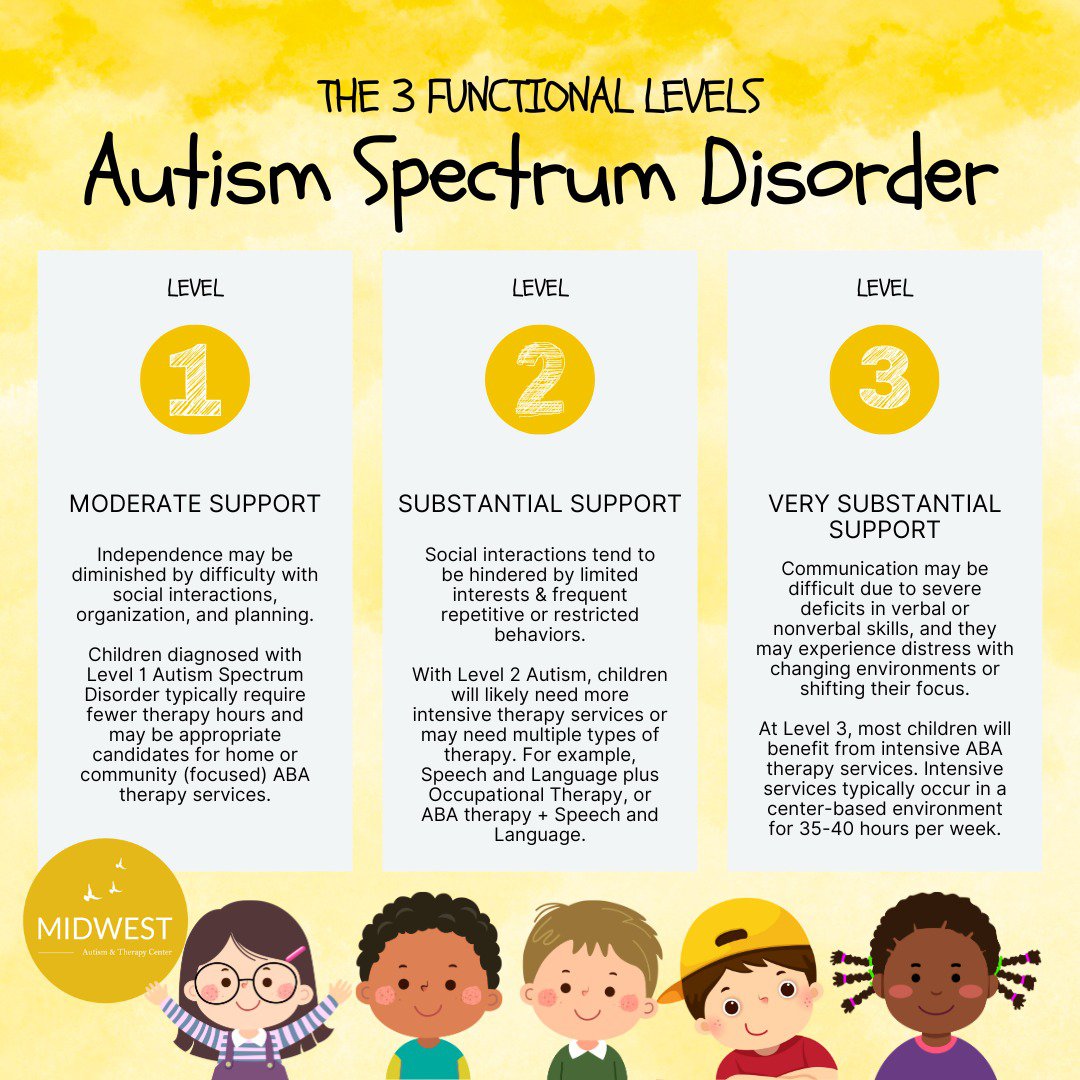
Level 1: Requiring Support
Individuals classified within Level 1 of the autism spectrum often exhibit challenges in social communication and may struggle with organization and planning which inhibit independence. Characteristically, they might require some degree of support, particularly in unfamiliar or high-demand environments. These individuals can often navigate daily tasks with some adaptations but might encounter difficulties in maintaining conversations or managing sensory sensitivities. The subtlety of their needs frequently leads to underdiagnosis, rendering the promise of recognition all the more vital.
Level 2: Requiring Substantial Support
At Level 2, the need for support becomes more apparent and consistent. Social impairments intensify, and repetitive behaviors or restricted interests become more pronounced. Communication barriers might include reduced verbal interactions or noticeable difficulties adjusting behavior to suit social contexts. This level evokes a palpable sense of navigating a world that often feels overwhelming. Support mechanisms here extend beyond mere accommodations—they serve as the scaffolding for engagement and personal growth, fostering autonomy wherever possible.
Level 3: Requiring Very Substantial Support
The most significant challenges arise at Level 3, where individuals require very substantial support in nearly all facets of life. Communication may be minimal or nonverbal, and there can be heightened sensitivity to sensory inputs that necessitate rigorous environmental modifications. Behavioral manifestations can include distress triggered by even minor routine changes. This deepest level on the spectrum exemplifies the critical importance of tailored interventions, compassionate understanding, and unwavering support systems that prioritize dignity and quality of life.
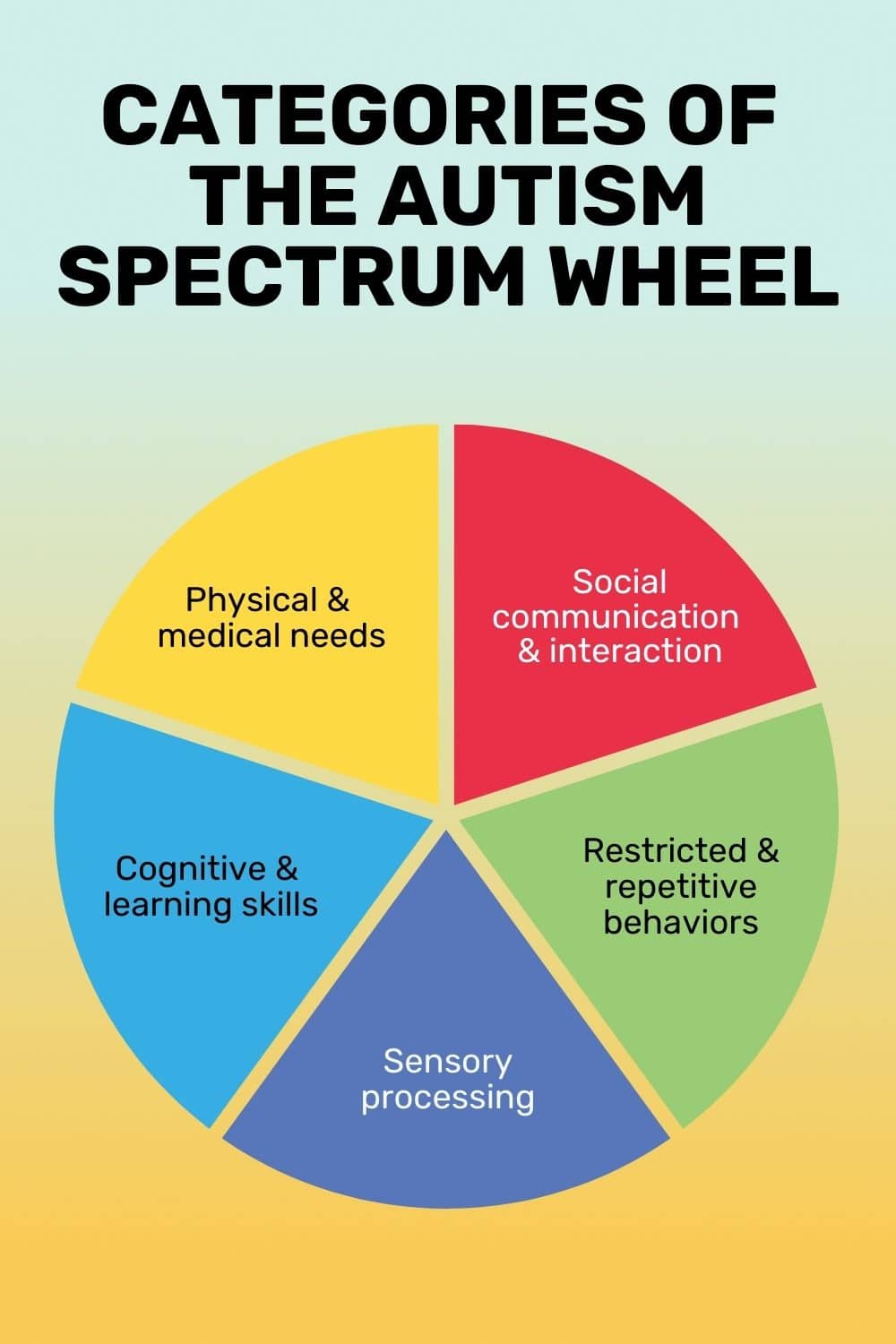
The Autism Wheel: An Illuminating Visual Paradigm
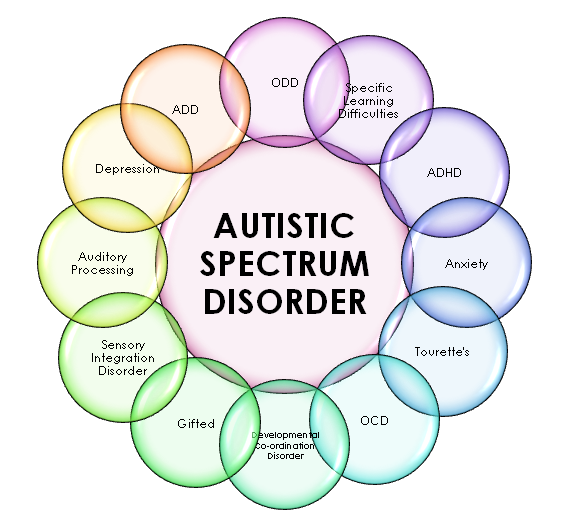
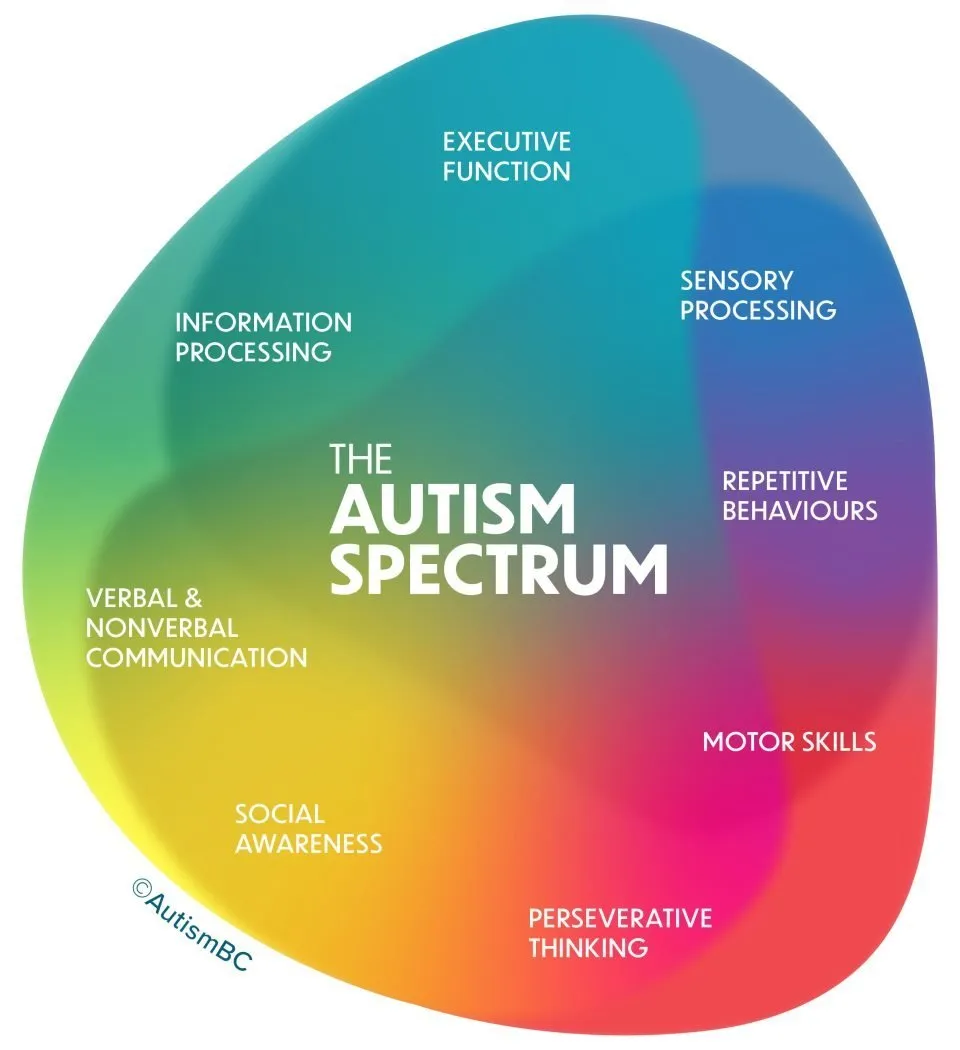
Visual aids like the Autism Spectrum Wheel provide a compelling roadmap to navigate these varying degrees of autism expression. The wheel format distills complex diagnostic criteria into a more accessible and intuitive model. Its segmented design encapsulates behaviors, communication differences, and sensory profiles while emphasizing the continuum’s fluidity. This representation unsettles rigid dichotomies and instead highlights the mosaic of overlapping traits and capabilities, urging a more personalized engagement with each individual’s profile.
Contrasting Views: Autism Spectrum Wheel vs. Autism Wheel
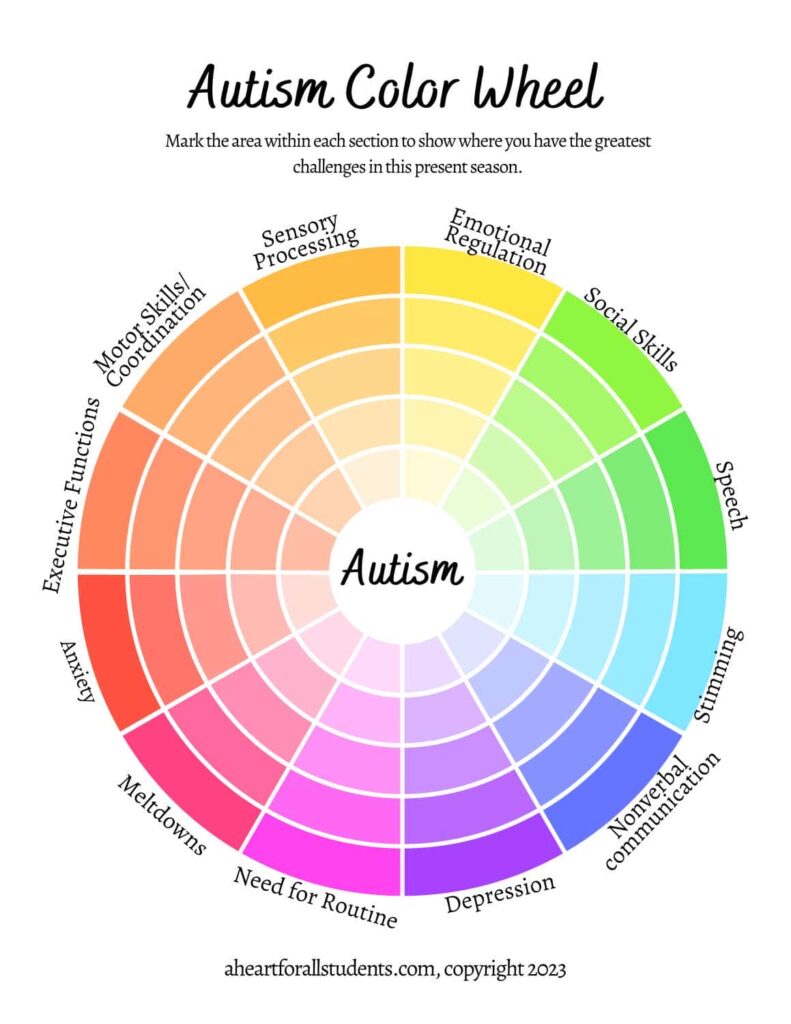
While the Autism Spectrum Wheel offers a comprehensive, layered perspective on autism traits and supports, the traditional Autism Wheel tends to center around core characteristics, often simplifying the representation into fixed categories. The contrasting visuals underscore the evolving understanding of autism as more than a checklist of symptoms—it is a dynamic and individualized experience. This contrast invites clinicians, educators, and families alike to embrace tools and frameworks that encourage curiosity and nuanced recognition rather than oversimplification.
Implications for Support and Advocacy
Recognizing the gradations within the autism spectrum challenges us to rethink advocacy and interventions. The visual guides remind us that support needs can evolve, intersect, and diverge in surprising ways. A singular approach cannot suffice; rather, tailored support plans that honor individual variability promise greater efficacy and empathy. Cultivating environments that allow for sensory regulation, communication alternatives, and social inclusion is paramount. Empowerment arises from understanding the person behind the label, illuminated vividly through these visual representations.
Conclusion: Embracing Complexity to Unlock Potential
The Autism Spectrum is a multifaceted tableau that resists simplistic labeling yet unfolds its richness when approached with openness and curiosity. The levels of autism, characterized through detailed visuals and layered explanations, compel a shift towards appreciation of individuality and neurodiversity. This guide serves as an invitation to explore, recognize, and ultimately celebrate the myriad ways autism presents and transforms lives. Through this lens, we glimpse not just the challenges, but profound potentials waiting to be acknowledged and nurtured.