In a world where labels often overshadow lived experiences, the distinction between autism and intellectual disability remains one of the most misunderstood yet profoundly consequential. These two neurodevelopmental conditions, frequently conflated in public discourse, paint vastly different cognitive landscapes—yet their paths often intersect in the lives of those who navigate them. To truly grasp their nuances is to unlock a deeper empathy, a shift in perspective that transforms how we perceive human diversity. This exploration does not merely clarify definitions; it dismantles myths, challenges assumptions, and reveals the intricate tapestry of strengths and challenges woven into each individual’s journey.
At first glance, the overlap between autism and intellectual disability may seem like a tangled web. Both can manifest in childhood, both may involve challenges in communication or social interaction, and both can coexist with other conditions. Yet beneath these surface similarities lies a chasm of differences that shape lives in distinct ways. To understand this, we must venture beyond the stereotypes and into the lived realities of those who embody these conditions. What emerges is not just a clinical comparison, but a revelation of human potential that defies conventional expectations.

The Foundations: Defining Autism and Intellectual Disability
Autism, or Autism Spectrum Disorder (ASD), is a lifelong neurodevelopmental condition characterized by differences in social communication, sensory processing, and restricted or repetitive behaviors. It exists on a spectrum, meaning its manifestations can range from subtle to profound. Some individuals with autism possess extraordinary talents in specific domains, such as mathematics, music, or visual arts, while others may struggle with daily tasks that neurotypical individuals take for granted. Crucially, autism does not inherently imply a lower intellectual capacity—many autistic individuals have average or above-average IQs, though their cognitive strengths may not align with traditional measures of intelligence.
Intellectual disability (ID), on the other hand, is defined by significant limitations in both intellectual functioning (e.g., reasoning, learning, problem-solving) and adaptive behavior (e.g., conceptual, social, and practical skills). These limitations typically manifest before the age of 18 and can vary widely in severity. Unlike autism, intellectual disability is not defined by social or sensory differences but by a generalized difficulty in acquiring and applying knowledge. However, the term itself carries historical baggage, often evoking outdated notions of incapacity rather than the diverse capabilities of those who live with it.
The interplay between these two conditions is where the narrative becomes particularly compelling. Approximately 30-50% of autistic individuals also have an intellectual disability, according to some studies. Yet this statistic alone does not capture the complexity of their experiences. For some, the presence of an intellectual disability may mask their autistic traits, leading to misdiagnosis or delayed support. For others, the combination of both conditions creates a unique set of challenges that require tailored interventions. To truly understand these distinctions, we must examine how they manifest in real life.
Cognitive Profiles: Where the Paths Diverge
The cognitive profiles of autism and intellectual disability reveal stark contrasts in how the brain processes information. Autistic individuals often exhibit a cognitive style that is highly detail-oriented, with a propensity for pattern recognition and specialized interests. This can lead to exceptional abilities in areas like visual-spatial reasoning or rote memory, even if abstract or social reasoning poses difficulties. In contrast, intellectual disability typically involves a more generalized slowing in cognitive development, affecting multiple domains of thinking and learning. An individual with ID may struggle with tasks that require sequencing, generalization, or abstract thought, but they may excel in practical, hands-on skills.
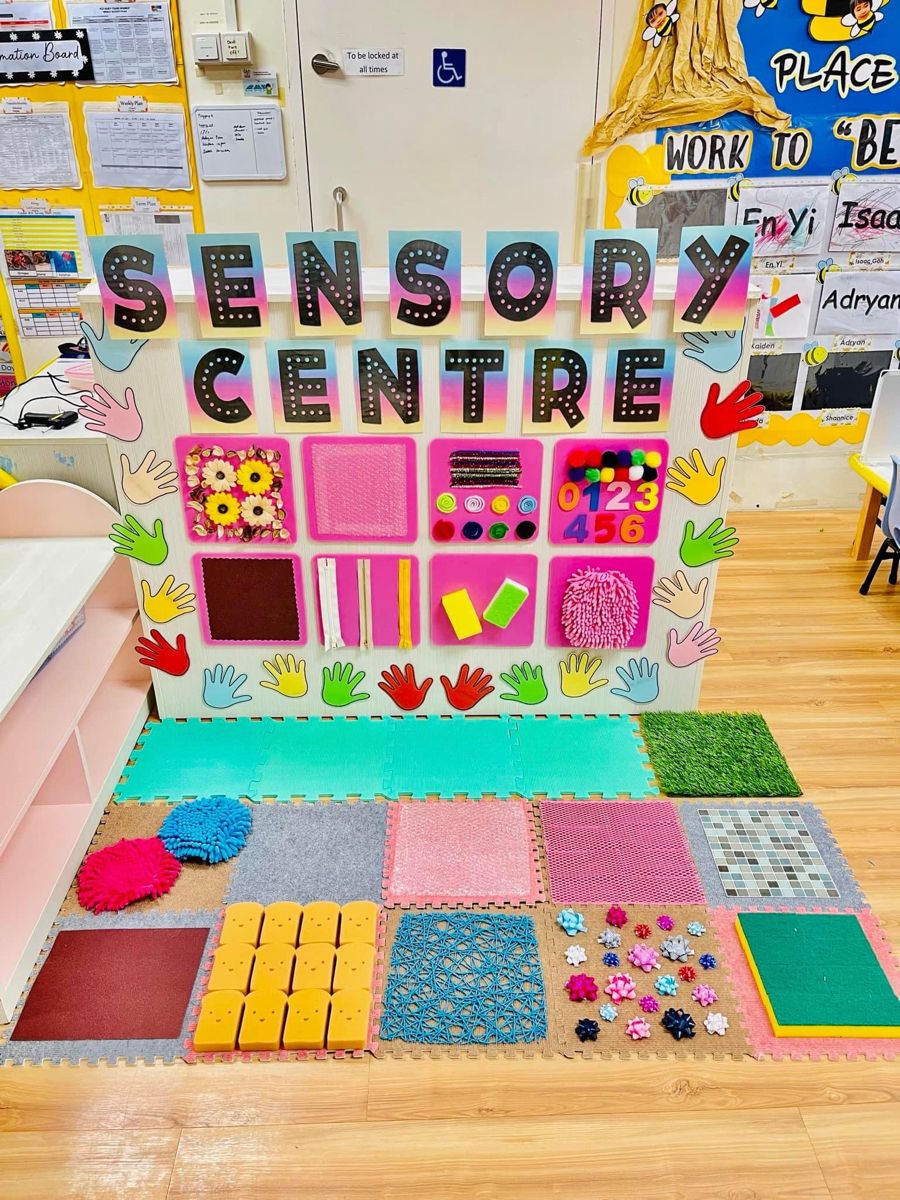
Consider the case of a child who memorizes train schedules with ease but struggles to understand social cues—a common scenario in autism. Now contrast this with a child who learns best through tactile, experiential activities but finds verbal instructions confusing, a hallmark of many intellectual disabilities. These differences are not merely academic; they shape educational strategies, therapeutic approaches, and societal expectations. Autistic individuals may benefit from structured, visual learning environments that accommodate their sensory needs, while those with intellectual disabilities often thrive in multisensory, experiential learning settings that reinforce concrete concepts.
Yet the lines between these cognitive profiles are not always clear-cut. Some autistic individuals with co-occurring intellectual disabilities may exhibit a patchwork of strengths and challenges, where certain areas of cognition are advanced while others lag behind. This heterogeneity underscores the importance of individualized support, where interventions are tailored to the person rather than the label. It also highlights the limitations of standardized testing, which may fail to capture the nuanced abilities of neurodivergent individuals.

Social and Communication: The Heart of the Matter
Social and communication differences lie at the core of autism, often serving as the primary diagnostic criteria. Autistic individuals may struggle with nonverbal cues, such as eye contact or facial expressions, and may find reciprocal conversation challenging. Their communication style can be direct, literal, or idiosyncratic, leading to misunderstandings in social contexts. Yet these differences are not indicative of a lack of desire for connection; rather, they reflect a different way of engaging with the world. Many autistic individuals form deep, meaningful relationships, albeit on their own terms.
In contrast, individuals with intellectual disabilities may face challenges in social communication due to cognitive limitations rather than differences in social processing. They may struggle to understand abstract social rules, such as sarcasm or humor, or may have difficulty initiating or maintaining conversations. However, their social motivations are often intact, and they may seek connection just as fervently as neurotypical individuals. The key distinction lies in the *why* behind these challenges: autism is characterized by atypical social cognition, while intellectual disability involves a broader difficulty in acquiring and applying social knowledge.
This divergence has profound implications for how society perceives and supports these individuals. Autistic individuals may benefit from social skills training that focuses on explicit instruction in social norms, while those with intellectual disabilities may require more concrete, repetitive practice to internalize social behaviors. Yet both groups deserve environments where their communication styles are respected, not pathologized. The goal is not to “normalize” their interactions but to create spaces where they can express themselves authentically.
Sensory Experiences: The Unseen Layers
Sensory processing differences are a hallmark of autism, yet they are often overlooked in discussions about intellectual disability. Autistic individuals may experience hyper- or hypo-sensitivity to sensory input, such as sounds, lights, textures, or smells. These differences can lead to overwhelming experiences in everyday environments, from the hum of fluorescent lights to the texture of certain fabrics. For some, sensory overload can trigger meltdowns or shutdowns, while for others, it may create a constant state of distraction or discomfort.
In contrast, sensory differences in intellectual disability are less well-documented but can still play a significant role in an individual’s daily life. Some individuals with ID may have heightened sensory needs, while others may exhibit sensory-seeking behaviors, such as rocking or hand-flapping. These differences can affect everything from eating habits to sleep patterns, yet they are often dismissed as “behaviors” rather than legitimate sensory experiences. Recognizing and accommodating these needs is crucial for creating supportive environments.
The intersection of sensory differences with autism and intellectual disability highlights the importance of sensory-friendly design in schools, workplaces, and public spaces. Simple adjustments, such as reducing background noise or providing quiet zones, can make a world of difference for individuals who process the world differently. Yet these accommodations are not just about comfort; they are about equity, ensuring that everyone has the opportunity to participate fully in society.
Support and Intervention: Tailoring the Approach
The support needs of autistic individuals and those with intellectual disabilities often diverge significantly, yet both groups benefit from early and individualized interventions. For autistic individuals, interventions may focus on developing communication skills, reducing sensory sensitivities, and fostering independence in areas where they excel. Applied Behavior Analysis (ABA) and speech therapy are common approaches, though their effectiveness varies widely depending on the individual’s needs and preferences. It is essential that these interventions are not one-size-fits-all but are instead tailored to the person’s unique strengths and challenges.
For individuals with intellectual disabilities, support often centers on building adaptive skills, such as self-care, money management, and community navigation. Occupational therapy and life skills training are critical components of their development, helping them achieve greater independence and quality of life. Yet these interventions must be delivered with dignity, avoiding the pitfalls of infantilization or overprotection. The goal is not to “fix” the individual but to empower them to live as independently as possible.
The overlap between autism and intellectual disability complicates these interventions, requiring a nuanced approach that addresses both conditions simultaneously. For example, an autistic individual with an intellectual disability may need support in both social communication and adaptive skills, but the strategies used must be flexible enough to accommodate their unique profile. This is where multidisciplinary collaboration—between educators, therapists, and families—becomes indispensable. The best interventions are those that are co-created with the individual, ensuring that their voice is heard and their goals are respected.
Breaking Down Barriers: The Power of Accurate Diagnosis
One of the most significant challenges in distinguishing between autism and intellectual disability lies in the diagnostic process itself. Misdiagnosis or delayed diagnosis can have lifelong consequences, leading to inappropriate support, missed opportunities, and unnecessary stigma. Autistic individuals with co-occurring intellectual disabilities may be labeled as “low-functioning” and denied access to interventions that could unlock their potential. Conversely, those with intellectual disabilities may be misdiagnosed as autistic, leading to interventions that do not address their true needs.
Accurate diagnosis requires a comprehensive evaluation that considers not only cognitive and adaptive functioning but also social communication, sensory processing, and behavioral patterns. Tools such as the Autism Diagnostic Observation Schedule (ADOS) and the Vineland Adaptive Behavior Scales can provide valuable insights, but they must be used in conjunction with clinical judgment and, most importantly, the individual’s own experiences. This holistic approach ensures that the diagnosis reflects the person’s reality, not just a checklist of symptoms.
The stakes of accurate diagnosis extend beyond individual well-being. They shape societal perceptions, influencing how communities view neurodiversity and intellectual diversity. When diagnoses are precise, they pave the way for targeted support, reducing the burden on families and empowering individuals to advocate for themselves. Yet when diagnoses are flawed, they perpetuate myths and misunderstandings, reinforcing the very barriers that neurodivergent individuals and those with intellectual disabilities strive to overcome.

The Human Element: Stories That Challenge Perceptions
To truly grasp the distinctions between autism and intellectual disability, one must look beyond the clinical definitions and into the lives of those who embody these conditions. Consider the story of Daniel, a nonverbal autistic man who communicates through a letter board and has an encyclopedic knowledge of trains. Despite his challenges in spoken language, Daniel’s ability to process complex information and express himself through writing challenges the notion that autism is synonymous with intellectual disability. His story is a testament to the power of presuming competence and providing the right tools for expression.
Now consider the story of Maria, a woman with an intellectual disability who works as a cashier at a local grocery store. Maria’s job requires her to handle money, interact with customers, and follow routines—tasks that may seem simple to some but are the result of years of targeted support and practice. Her story challenges the stereotype that intellectual disability precludes meaningful employment or independence. It reminds us that capability is not a monolith but a spectrum, and that with the right opportunities, everyone can contribute in their own way.
These stories are not anomalies; they are examples of the diverse ways in which individuals with autism and intellectual disabilities navigate the world. They challenge us to move beyond labels and see the person behind the diagnosis. They remind us that human potential is not defined by cognitive or social norms but by the unique ways in which each individual interacts with the world.
A Call to Action: Redefining Support and Inclusion
The distinctions between autism and intellectual disability are not merely academic; they are the foundation of how we design support systems, educational environments, and societal attitudes. To create a world where neurodivergent individuals and those with intellectual disabilities can thrive, we must move beyond binary thinking and embrace the complexity of human diversity. This means advocating for policies that provide tailored support, investing in research that explores the intersections of these conditions, and challenging the narratives that limit potential.
It also means listening to the voices of those who live with these conditions. Autistic self-advocates and individuals with intellectual disabilities are the most powerful agents of change, offering insights that no textbook or expert can provide. Their stories challenge us to rethink our assumptions, to question the status quo, and to demand better from the systems that are meant to support them.
The journey toward true inclusion is not a linear one. It requires patience, humility, and a willingness to unlearn what we think we know. But the rewards are immeasurable—a world where every individual, regardless of their cognitive or social profile, is seen, valued, and given the opportunity to shine.
In the end, the distinction between autism and intellectual disability is not just about labels. It is about recognizing the extraordinary diversity of the human mind and the limitless potential that lies within each of us. It is about shifting our perspective from one of limitation to one of possibility, from one of pity to one of respect. And it is about building a future where everyone has the chance to live a life that is as rich, meaningful, and authentic as they deserve.