Imagine a kaleidoscope turned ever so gently. With each rotation, the vivid patterns shift—never the same twice—highlighting striking symmetries and hidden complexities. Such is the nature of autistic traits within the human spectrum: an intricate interplay of distinct characteristics that manifest uniquely in each individual. These traits are not merely deficits or obstacles but myriad threads weaving a rich tapestry of neurodiversity, which beckons us to understand, appreciate, and embrace their singular appeal.
The Spectrum as a Prism: Variation in Autistic Traits
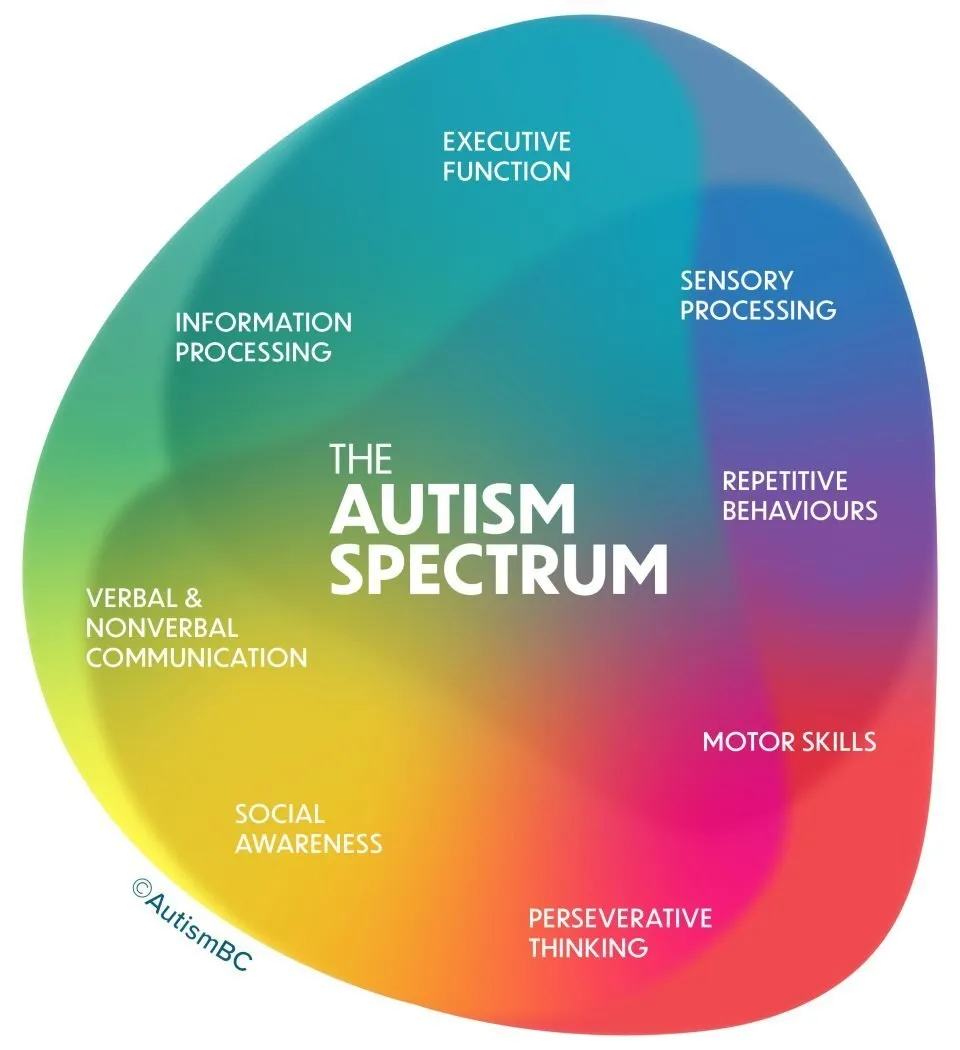
Autistic traits unfold not as a monolith but as a constellation of attributes whose intensity and expression vary from person to person, much like how light fractures through a prism. Some individuals exhibit heightened sensory sensitivities—sounds might clang like thunder, scents appear intensely layered, or textures evoke profound discomfort. Others navigate social landscapes differently, interpreting nuances of body language and tone in ways that diverge from neurotypical conventions. This kaleidoscopic diversity makes it impossible to condense autism into a one-size-fits-all description.
For some, repetitive behaviors and ritualistic routines serve as anchors in a sea of unpredictability, providing a sense of order and control. In contrast, others may demonstrate extraordinary abilities in focused interests or memory, showcasing their brain’s penchant for deep dives into intricate subjects. These manifestations, varying in form and function, underscore that autistic traits exist on a continuum—each person’s profile as distinctive as a fingerprint.
Neurological Nuances: The Internal Landscape
Delving beneath the surface reveals a neurological architecture that orchestrates these traits. Differences in connectivity and activity across brain regions sculpt how information is processed, leading to distinctive patterns of perception and cognition. For example, increased local connectivity may underpin intense focus on details, while altered sensory gating contributes to heightened sensitivity or, conversely, sensory seeking behaviors.
These neurological nuances also affect social cognition and communication. Difficulties in intuitive social processing—like interpreting subtle social cues—do not imply absent empathy but rather a different mode of experiencing social worlds. Many autistic individuals display profound empathy, often accompanied by a unique, authentic approach to relationships and emotional expression.
Communication and Social Interaction: Languages Beyond Words
Communication in autism is an expansive terrain beyond spoken language alone. While some may exhibit delayed or atypical verbal skills, many develop sophisticated alternative methods of expression. These can include written communication, visual arts, or digital exchanges, all offering pathways to connection and expression that bypass conventional verbal norms.
Social interactions often embody a rich lexicon of gestures, expressions, and behavioral codes, though their interpretation may diverge from neurotypical expectations. What appears as aloofness or withdrawal can mask deep contemplative engagement or sensory overwhelm. Deciphering this requires an attuned sensitivity to each individual’s communicative style, respecting pauses, literal interpretations, or unique humor that illuminate the internal world.
Sensory Experience: A Symphony or a Storm
The sensory world for many autistic individuals is akin to a symphony played in a range of dynamics—from the softest whisper to the thunderous crescendo. Bright lights may sear, particular fabrics can irritate like sandpaper, or the hum of everyday environments may become an intrusive cacophony. This sensory modulation affects daily functioning and influences choices in environment, attire, and lifestyle.
Conversely, some seek intense sensory input—rocking, spinning, or tactile exploration—to self-regulate or derive pleasure. These behaviors, often misunderstood, serve as vital tools for emotional equilibrium and self-expression within a sensory landscape that is anything but ordinary.

Executive Functioning and Adaptability: Navigating Complexity
Executive functioning—the brain’s command center for planning, flexibility, and impulse control—often presents unique challenges in autism. Individuals may find multi-step tasks daunting or struggle with sudden changes that disrupt established routines. Rigid adherence to patterns is not mere obstinacy but a coping mechanism amid an environment that can feel unpredictable and overwhelming.
Yet within this challenge lies resilience and innovation. Many develop remarkable problem-solving skills, leveraging strong attention to detail and pattern recognition. Adaptability may unfold on alternate timelines, often catalyzed by trust, support, and a nurturing framework that values process over conformity.
The Unique Appeal: Strengths and Special Interests
Autistic traits bring with them a treasure trove of abilities and passions—some extraordinary in their intensity and scope. Specialized interests, often termed “special interests,” can become profound wells of knowledge and expertise. Individuals may cultivate deep mastery in fields such as mathematics, music, technology, or history, illuminating perspectives that enrich societal fabric.
These strengths, paired with authentic modes of thinking, fuel innovation and creativity. Viewing the world through these unique lenses opens vistas of possibility, challenging conventional wisdom and expanding collective understanding. To recognize and nurture these assets is to honor the full humanity of those on the spectrum.
Supporting and Embracing Diversity: Moving Beyond Stigma
Society’s evolving recognition of autistic traits as expressions of neurodiversity marks a pivotal paradigm shift. Beyond deficit-based models, there is growing appreciation for the holistic complexity and intrinsic worth of varied neurological profiles. Embracing this diversity requires dismantling stigmas and fostering environments that accommodate sensory, communicative, and cognitive differences.
Supportive frameworks emphasize empowerment, autonomy, and respect, highlighting strengths while addressing challenges through individualized approaches. Inclusive education, workplace adaptations, and community awareness serve as vital conduits for integration and acceptance.

Ultimately, autistic traits are less like a problem to be solved and more like a unique language to be translated—each dialect revealing new facets of human experience. Just as no two snowflakes mirror each other perfectly, each autistic individual offers a singular interplay of talents, challenges, and perspectives. Recognizing this mosaic enriches our collective narrative and beckons us into deeper empathy, understanding, and celebration of the infinite patterns within the human mind.