
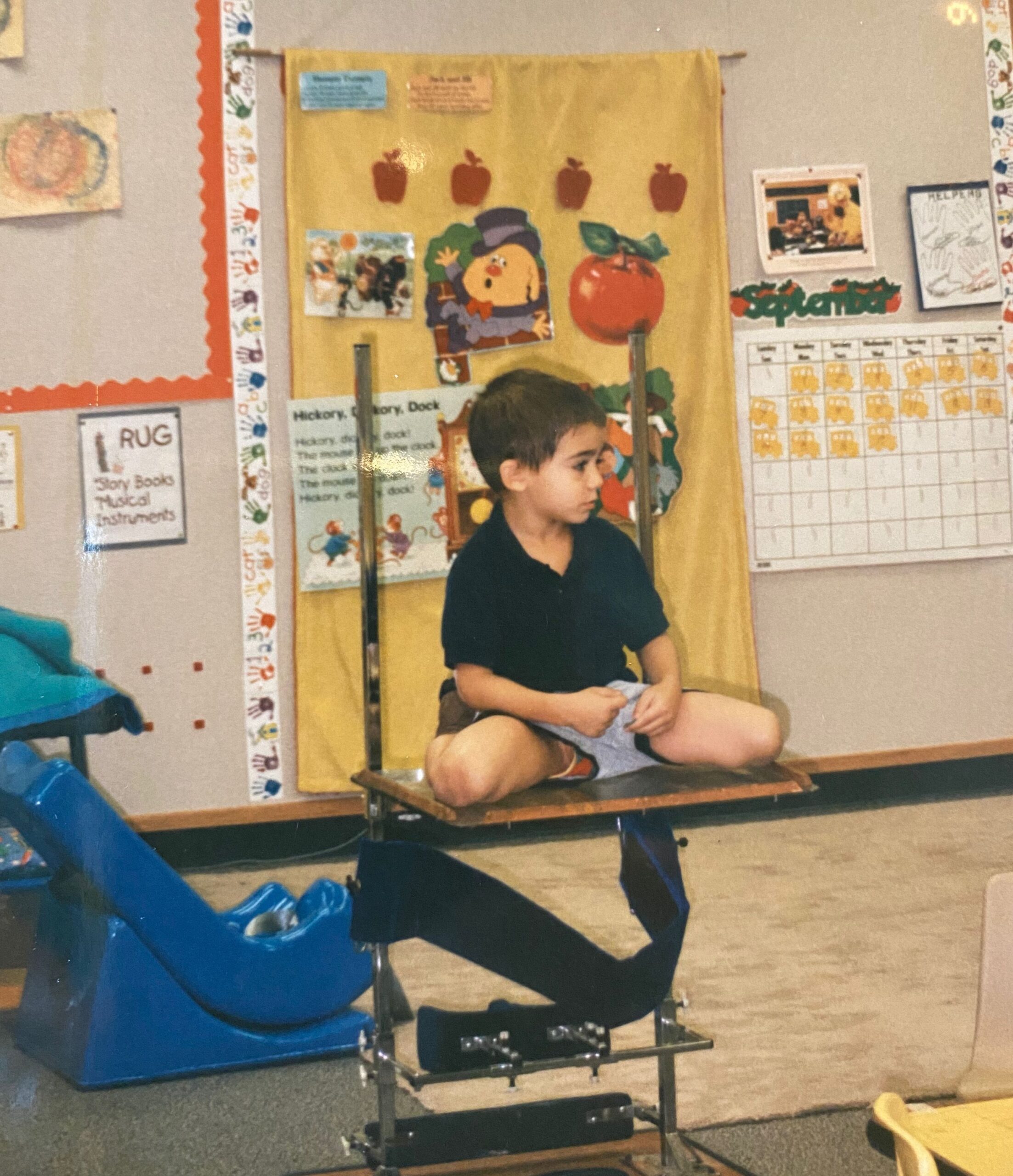
Have you ever wondered how a seemingly routine day at school can transform into a labyrinth of sensory overload and social conundrums for an autistic child? As summer wanes and the school year beckons, families face the intricate challenge of navigating this transition with sensitivity, foresight, and compassion. The journey back to school is not merely a calendar milestone; it can be a crucible of emotional and sensory complexities for children on the spectrum. Understanding and preparing for these challenges is crucial to creating a supportive environment where autistic children can flourish.
Understanding Sensory Sensitivities and Environment Adaptations
One of the most pervasive hurdles autistic children encounter in school settings stems from heightened sensory sensitivities. Noises, lights, smells, and even textures that neurotypical peers might overlook can become overwhelming stimuli. The cacophony of a bustling classroom, fluorescent lighting, or the scratchiness of a uniform can provoke anxiety or distract from learning.

Mitigating these sensory triggers starts with environmental adaptations. Schools and caregivers can collaborate to identify quiet zones, provide noise-canceling headphones, or use natural lighting where feasible. Allowing children access to calming tools such as fidget toys or weighted blankets during class can serve as tactile anchors, helping to diffuse sensory distress and maintain focus. Such thoughtful accommodations transform the educational environment from a maze of stimuli into a sanctuary conducive to learning.
Establishing Predictable Routines to Alleviate Anxiety
The unpredictability inherent in change is often a catalyst for anxiety among autistic children. Returning to school disrupts the summer’s rhythm, introducing new schedules, teachers, and social groups. Predictability becomes an essential balm for alleviating anticipatory stress.

Visual schedules and social stories are invaluable tools in this regard. By presenting a clear and consistent roadmap of the school day, these aids transform abstract concepts of time and event sequencing into concrete, comprehensible formats. Incorporating pictures and simple language helps children internalize what to expect, reducing the unknown variables that fuel apprehension. Establishing morning and bedtime routines prior to school commencement also reinforces a sense of stability, promoting smoother transitions on the first day and beyond.
Leveraging Individualized Education Plans (IEPs) and Advocacy
Every autistic child possesses a unique constellation of strengths and challenges. Individualized Education Plans (IEPs) serve as bespoke blueprints that tailor educational approaches to their specific needs. Engaging proactively with educators, therapists, and school administrators to establish or review IEPs can be transformative.
These plans often encompass accommodations such as extended time for assignments, alternative testing environments, or the support of aides during lessons. Moreover, cultivating an advocacy mindset is vital; parents and caregivers are essential allies in ensuring that IEPs are not static documents but living frameworks that evolve alongside the child’s development and changing circumstances. Empowered by active communication, children gain access to a learning experience that honors their individuality while striving for academic success.
Social Skills Development and Peer Interaction
Social integration within the school milieu can pose intricate challenges. Misreading social cues, navigating group dynamics, and managing unstructured periods such as lunch or recess may evoke feelings of isolation or frustration.

Proactive social skills training, whether through specialized programs or facilitated peer interactions, equips autistic children with practical strategies to interpret social nuances and build meaningful relationships. Role-playing common scenarios, teaching conversation starters, and practicing empathy can incrementally bridge social gaps. Additionally, fostering environments that encourage inclusion through buddy systems or cooperative learning projects nurtures a sense of belonging and mutual understanding among all students.
Emotional Regulation and Coping Mechanisms
Navigating the emotional landscape of a school day can be tumultuous for children on the spectrum. Frustrations over academic tasks, sensory overload, or social misunderstandings may manifest as meltdowns or withdrawal. Cultivating emotional regulation skills is paramount.
Teaching breathing techniques, mindfulness exercises, and the use of calm-down corners within classrooms empowers children to regain composure independently. Encouraging expression through art, journaling, or trusted adult conversations validates their feelings while providing constructive outlets. When educators and caregivers collaborate to recognize early signs of distress, timely interventions can prevent escalation and sustain engagement with the learning process.
Parental Involvement and Home-School Communication
The synergy between home and school environments underpins a successful transition. Regular, transparent communication between parents and educators builds a united front in supporting the child’s needs. Sharing observations, progress, and concerns forms a feedback loop that benefits all parties.
Parents can reinforce school learnings by establishing homework routines, discussing the day’s events, and celebrating achievements no matter how small. Meanwhile, schools that provide accessible channels for updates and encourage family participation create holistic ecosystems centered on the child’s well-being and growth.
As the bell signals the start of a new academic year, the journey back to school for autistic children need not be fraught with uncertainty. Through deliberate preparation, empathetic accommodations, and collaborative partnerships, what once seemed a daunting transition can evolve into an empowering experience — one where children not only adapt but thrive in their educational environment. Embracing this complexity with patience and understanding reveals a path illuminated by growth, resilience, and possibility.












