In the delicate tapestry of early childhood, every movement, every glance, and every sound weaves a story about an infant’s unfolding world. Autism Spectrum Disorder (ASD) often begins its narrative subtly, like the faintest brushstroke on an otherwise vivid canvas. Recognizing the earliest signs in babies can feel akin to discerning a whispered secret amidst a chorus of sounds. This awareness not only illuminates the path toward support but also celebrates the unique rhythms each child embodies. The journey into understanding those early signals demands both keen observation and profound empathy.
Understanding the Spectrum: The Mosaic of Early Development
Before diving into specifics, it’s imperative to grasp that autism is not a monolith but rather a multifaceted spectrum — a mosaic of behaviors and traits that vary greatly among individuals. Like the multifarious facets of a gemstone, each child’s development reflects a distinct interplay of strengths and challenges. This diversity makes early identification both complex and deeply rewarding, offering the chance to tailor support that honors each child’s singular brilliance.
Social Interaction: The Silent Language of Connection
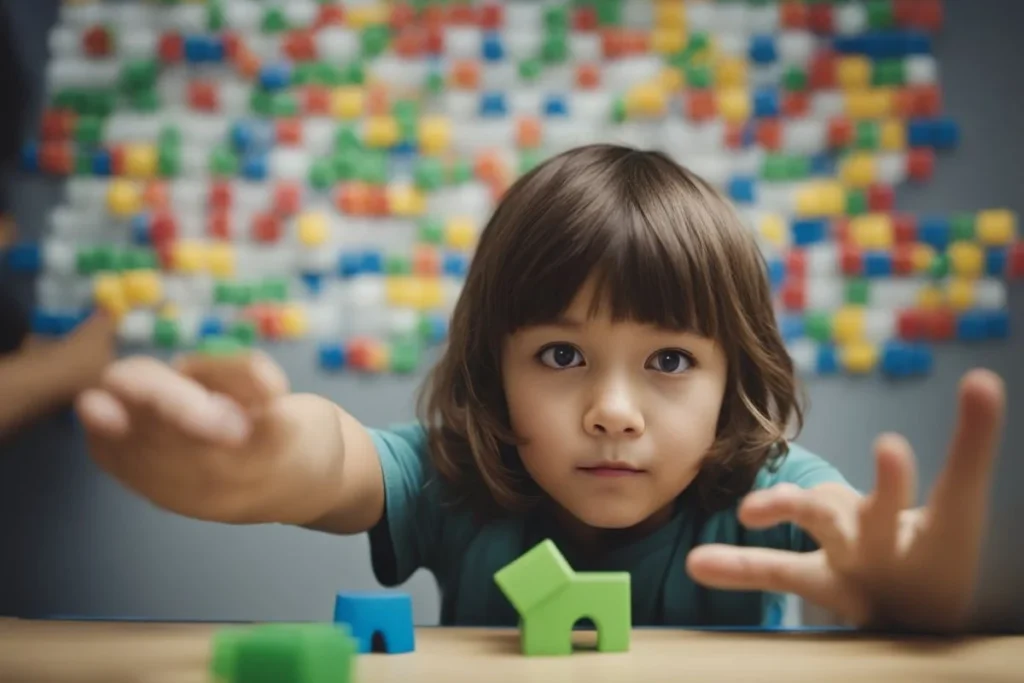
From the very first moments of life, babies engage in a delicate dance of social exchange. The absence or alteration of these interactions can serve as one of the earliest lanterns guiding caregivers toward further exploration. A baby who seldom meets a caregiver’s gaze, offers limited eye contact, or shows diminished responsiveness to social cues may be communicating a silent divergence from typical developmental pathways.
Consider the meta-gesture of a smile — more than a simple expression, it’s a bridge of connection. When a baby’s smiles are sparse or delayed, it may hint at early divergence in social emotional development. Similarly, gestures such as pointing, waving, or reaching out to share attention might be noticeably absent or unusual, underscoring the nuanced communication challenges that often accompany ASD.
Communication Milestones: The Whispered Hints Beneath Babble
Language, or its precursor vocalizations, offers further insight. Many babies embark on a babbling voyage around six months, exploring pitch, intonation, and rhythm as if composing the elemental symphony of speech. An infant on the autism spectrum might either lag in this vocal experimentation or exhibit atypical patterns such as repeating syllables mechanically without the typical social overtures that accompany babbling.
The absence of gestures such as waving “bye-bye” or pointing to objects might also suggest challenges in early nonverbal communication. These behaviors, seemingly small, form the scaffolding upon which more complex language skills are built. Their delay or absence could signal the need for attentive intervention.
Behavioral Patterns: The Underlying Cadence
Autism often manifests through distinctive behavioral patterns that resemble the steady, repetitive ticking of a clock — reliable, rhythmic, and sometimes unchanging. Repetitive movements like hand-flapping, rocking, or spinning objects may emerge in infancy as early indicators of neurodivergence.
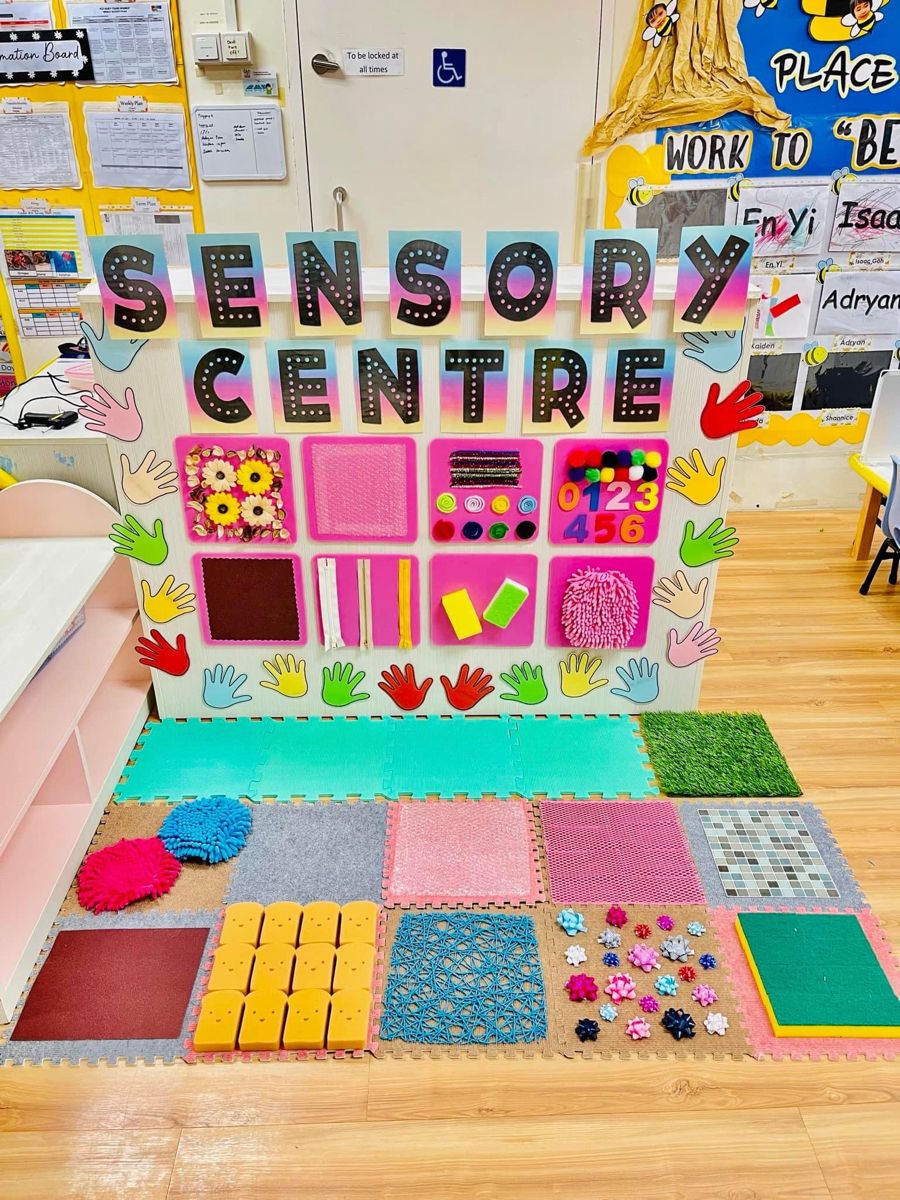
Additionally, a heightened sensitivity or seeming indifference to sensory stimuli can play a notable role. Some infants might startle easily to loud noises, whereas others may appear unresponsive to touch or visual stimuli. These divergent sensory experiences can profoundly shape how babies perceive and interact with their environment.

Motor Skills and Coordination: The Invisible Threads of Movement
Fine and gross motor skills provide another window into early neurodevelopment. Delays in milestones such as crawling, sitting without support, or grasping objects can be subtle signs requiring attention. The precise choreography of muscle control and spatial awareness reflects the brain’s complex wiring; deviations can suggest underlying differences in neurological processing.
Moreover, some infants might display unusual posturing or stiff body movements, reflecting atypical muscle tone or motor planning difficulties. These signs, while sometimes overlooked, contribute to the broader portrait of early development challenges often linked with autism.
The Importance of Early Recognition: A Proactive Approach
Like a lighthouse casting beams through dense fog, early detection illuminates a path towards targeted interventions, optimizing developmental outcomes. The earlier caregivers and professionals recognize these signs, the more personalized and effective the support can be. Early intervention harnesses the brain’s remarkable neuroplasticity during infancy and toddlerhood, providing tools for communication, social engagement, and adaptive skills before challenges become entrenched.
This proactive stance does not merely reduce challenges but celebrates a neurodiverse identity, enabling children to thrive on their own terms. The unique tapestry of each child’s abilities can be honored and nurtured when observed with clarity and compassion in those first critical months and years.
Practical Steps for Caregivers: Observation and Advocacy
For caregivers, the quest to identify early signs revolves around mindful observation and intentional documentation. Keeping track of milestones, noting any deviations, and trusting instinctual concerns form the cornerstone of advocacy. When questions arise, engaging pediatric specialists or early childhood development experts can provide comprehensive assessments and guidance.
It is essential to foster environments that are both stimulating and soothing, with predictable routines that provide safety and opportunity for exploratory interaction. Encouraging play, eye contact, and vocalization—even in the subtle forms they take—can help promote developmental progress in nurturing ways.

Conclusion: Embracing the Unique Journey
Early signs of autism in babies are often like the soft murmurings of a complex melody; not always overt, yet profoundly meaningful once heard. Embracing these early indicators with vigilance and kindness offers a bridge to understanding, acceptance, and supportive growth. The journey through early childhood is uniquely crafted for each infant, and recognizing autism’s whispers within this voyage enables caregivers and professionals to illuminate pathways toward flourishing futures.
The kaleidoscope of human development is rich and varied, and within this diversity lies an opportunity—a chance to perceive and celebrate each child’s extraordinary narrative from the very beginning.