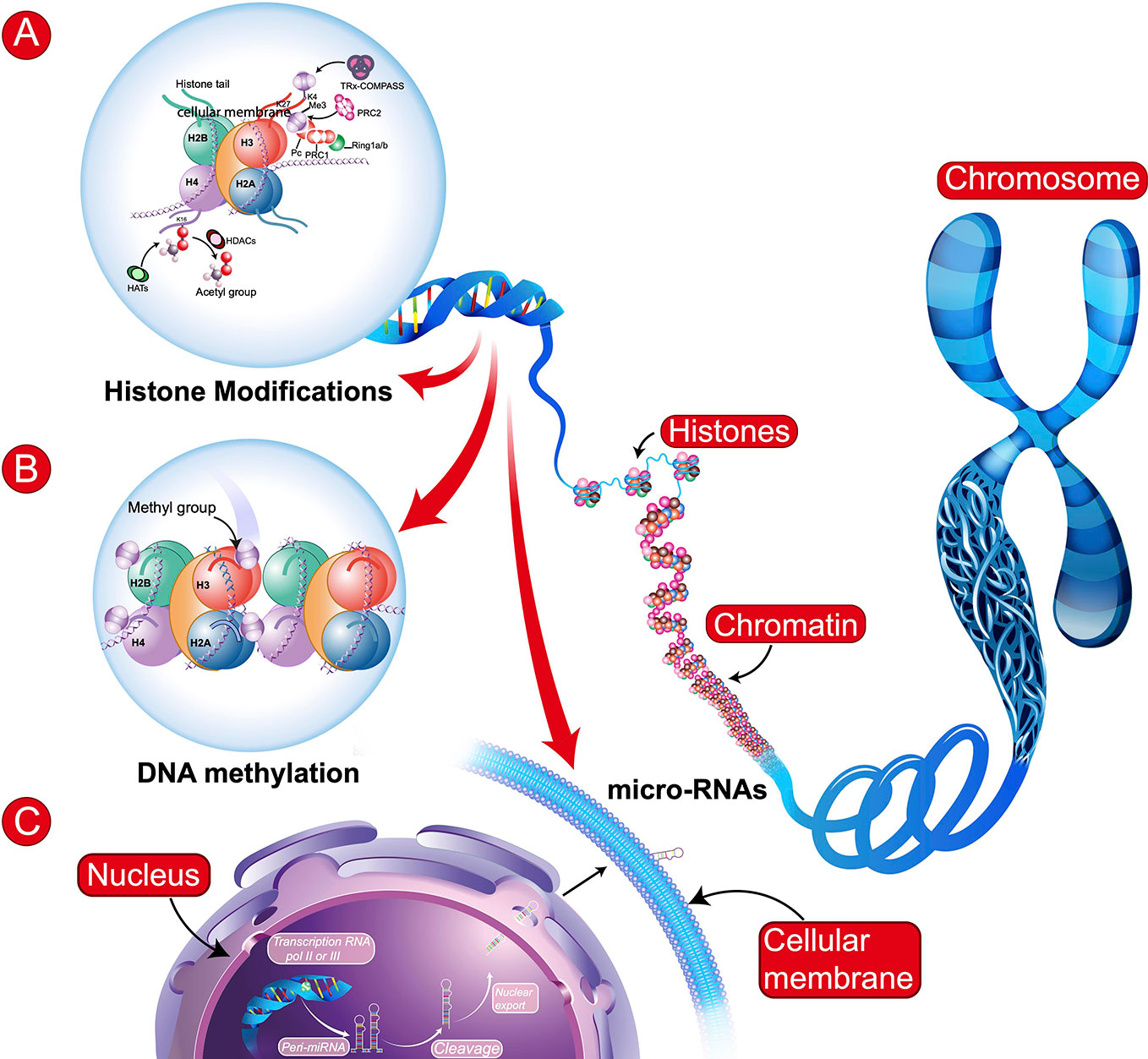
Imagine the human genome as an intricate symphony, where each gene is a unique instrument playing notes that compose the melody of life. Yet, it is not solely the genetic score that directs this composition but also the conductor—our environment—wielding an invisible baton that orchestrates the subtle modulations, pauses, and crescendos. This is the essence of epigenetics, a realm where the interface between genes and environment scripts the diverse manifestations of human development and behavior. Nowhere is this interplay more compelling—and enigmatic—than in the context of autism spectrum disorder (ASD). Delving into epigenetics offers a promising lens to decipher how environmental factors staunchly shape the genetic underpinnings of autism, unravelling mysteries that have long eluded scientific grasp.
The Epigenetic Landscape: Sculpting Genes Beyond DNA Sequence
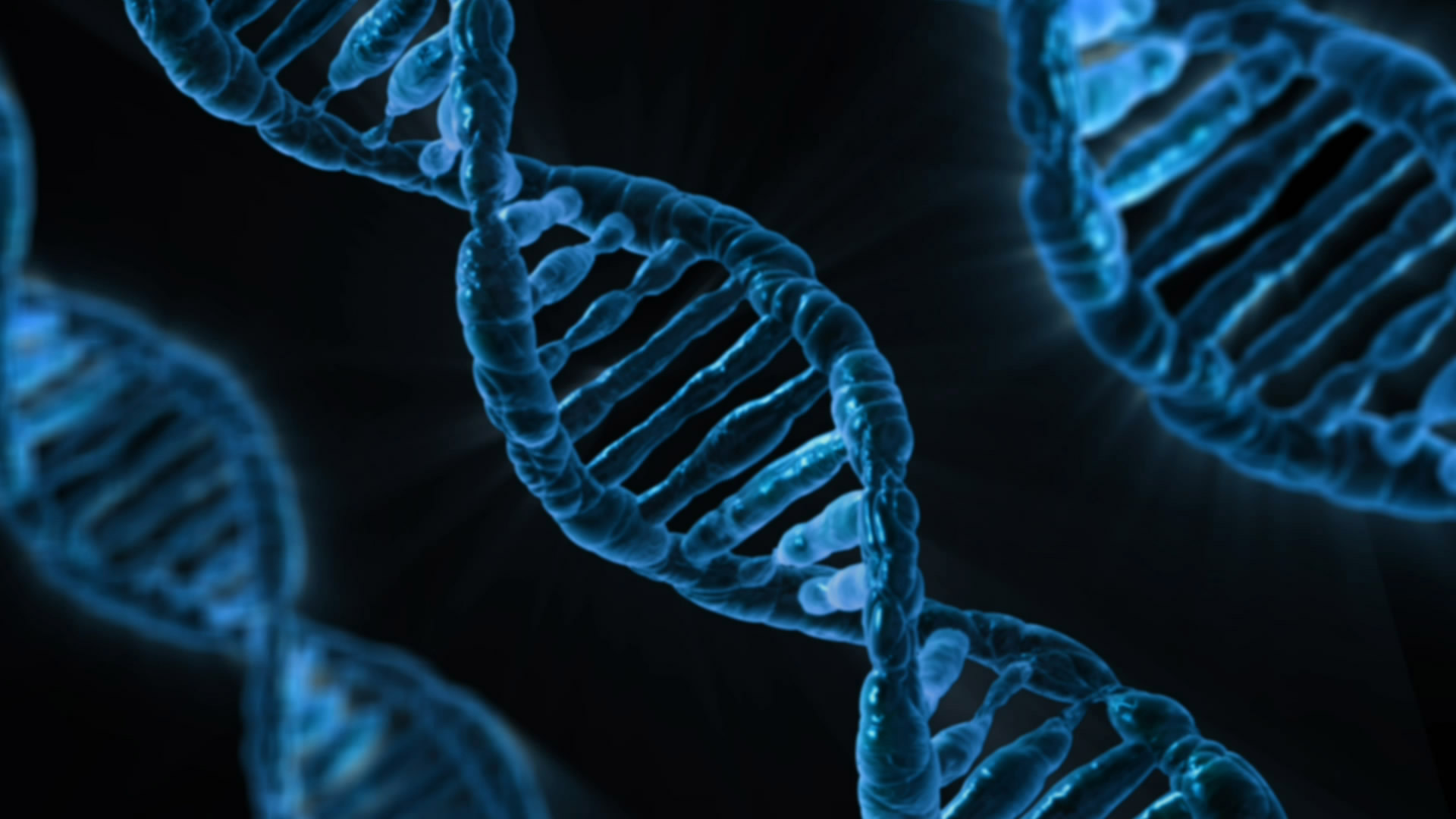
Epigenetics, derived from the Greek “epi” meaning “upon” or “over,” refers to chemical modifications that regulate gene expression without altering the underlying DNA sequence. These modifications function akin to annotations in a complex manuscript, dictating which genes should be activated, suppressed, or fine-tuned at any given time. The principal mechanisms include DNA methylation, histone modification, and non-coding RNA interference, each acting as molecular switches or dials controlling the genetic machinery.
In the neurodevelopmental context, epigenetic regulation is paramount. The developing brain relies on precise genetic timing, spatial regulation, and expression patterns to forge neural networks. Disruptions or aberrant epigenetic marks can lead to atypical gene expression profiles, impacting neuronal connectivity, synaptic plasticity, and ultimately cognitive function. The metaphor of the environment as a sculptor is particularly apt here: it chisels and molds gene expression landscapes during critical windows of brain development, sculpting the architecture that underlies behavior and cognition.
Autism Spectrum Disorder: A Genetic and Epigenetic Tapestry
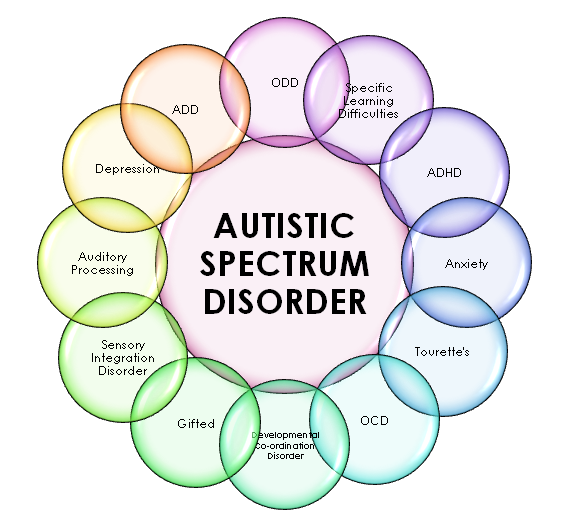
Autism spectrum disorder is a multifaceted neurodevelopmental condition characterized by challenges in social communication, restricted interests, and repetitive behaviors. Genetically, ASD is highly heterogeneous; no single gene mutation accounts for all cases. Instead, a constellation of genes, each imparting subtle variations, aggregates risk.
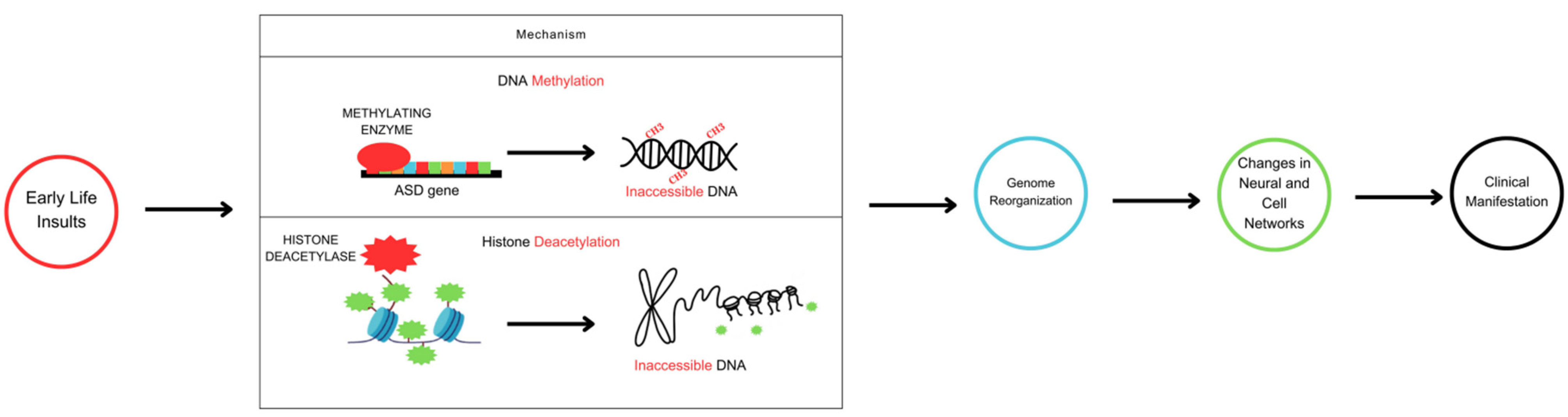
However, genetics alone cannot elucidate the full spectrum of autism manifestations. This realization has thrust epigenetics into the limelight as a pivotal mediator. Epigenetic dysregulation can potentiate or mitigate genetic risks by altering gene expression in response to environmental stimuli. Studies have revealed differential patterns of DNA methylation and histone modification in individuals with autism, implicating disrupted epigenetic regulation as a critical factor in ASD pathophysiology.
The metaphor of a tapestry is fitting: genes are threads woven together, but epigenetics dictates the pattern, texture, and hue, creating a vivid picture influenced both by inherited genetics and environmental inputs.
Environmental Influences: The Silent Conductors
The environment’s capacity to influence epigenetic marks is both profound and pervasive. Prenatal and early postnatal life represent particularly vulnerable periods during which exogenous factors can leave indelible marks on the epigenome. Maternal nutrition, exposure to toxins, stress levels, and infections are among the key environmental variables that shape neurodevelopment through epigenetic modulation.
For instance, prenatal exposure to heavy metals, endocrine-disrupting chemicals, and air pollutants has been correlated with increased ASD risk, mediated partly by epigenetic alterations affecting gene expression in the developing brain. Similarly, maternal stress and inflammation can induce epigenetic changes linked to neurodevelopmental anomalies. The dynamic, responsive nature of epigenetic mechanisms ensures that these environmental signals are not merely passive background noise but active components in sculpting neurodevelopmental trajectories.
Gene-Environment Interactions: A Complex Dialogue
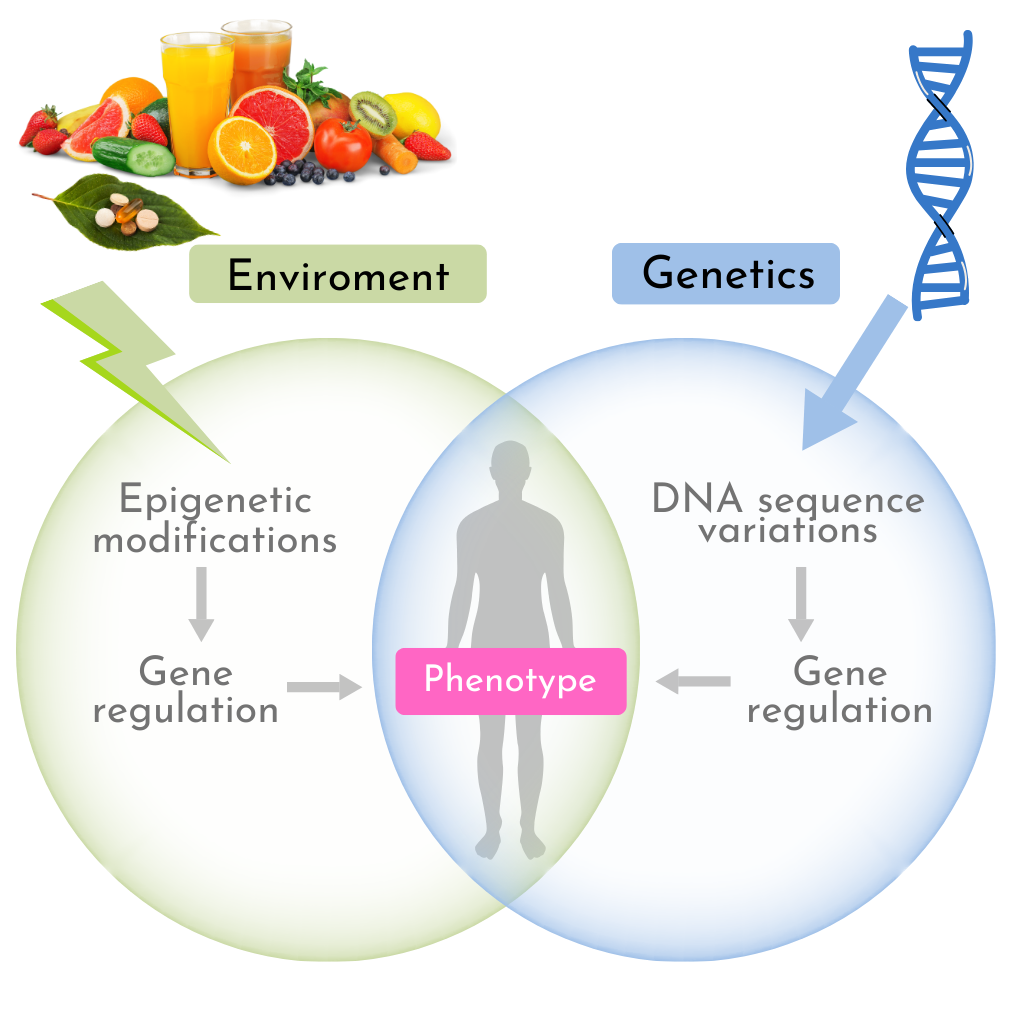
The relationship between genes, epigenetics, and the environment is not unidirectional but a sophisticated dialogue. Single nucleotide polymorphisms (SNPs), common genetic variations, may influence the susceptibility of genes to epigenetic modifications. Conversely, epigenetic states can modulate the impact of genetic variants.
This interaction forms a feedback loop where the environment shapes epigenetic patterns, which in turn influence gene functionality, including those linked to autism. The variability in epigenetic responses among different individuals partly explains why exposure to the same environmental factor may result in divergent neurodevelopmental outcomes. It underscores the uniqueness of each genome-environment interface and evokes the image of a nuanced conversation that decides the developmental fate.
Clinical and Therapeutic Implications: Harnessing Epigenetics in Autism
Understanding epigenetic influence opens unprecedented avenues for early diagnosis, intervention, and treatment of autism. Biomarkers based on epigenetic profiles could enable the identification of at-risk individuals before clinical symptoms emerge, facilitating preemptive strategies.
Moreover, several epigenetic modifications are potentially reversible, unlike static genetic mutations. This plasticity fuels optimism for epigenetic therapies, which might include pharmacological agents targeting DNA methylation or histone-modifying enzymes. Nutritional interventions and lifestyle modifications during critical developmental periods also hold promise as modulators of the epigenome, highlighting the potential for environment-based therapeutic strategies.
Though still in its infancy, the field of epigenetic therapeutics could pivot away from a purely genetic determinism model toward a more dynamic, integrative framework that embraces environmental modulation as a critical factor in managing autism spectrum disorders.
Conclusion: The Continuing Dance of Genes and Environment
Epigenetics has transformed the landscape of autism research by illuminating how environmental factors intricately shape gene expression during neurodevelopment. It invites us to reconsider the genome not as an immutable blueprint but as a malleable script that responds to its milieu. Autism, in this view, is not solely the product of genetic fate but the result of an elaborate and ongoing dance between genes and environment.
This evolving understanding enriches both scientific insight and clinical practice, fostering hope that through harnessing epigenetic knowledge, we may devise novel pathways to support neurodiverse individuals and optimize developmental outcomes. As our grasp of this molecular choreography deepens, so too does the potential to unlock new dimensions of health and human potential.