Can the myriad of interventions available for autism spectrum disorder (ASD) truly deliver on their promises, or is much of what is touted merely a hopeful mirage? Navigating the vast landscape of therapeutic options for autism can feel like embarking on an archetypal quest, tangled amidst a labyrinth of methodologies, each claiming efficacy. The challenge lies in discerning which interventions are genuinely grounded in empirical rigor—those that have been meticulously vetted through scientific inquiry—and which rest on less tangible grounds. Understanding what works is not merely academic; it is imperative for families, clinicians, and educators striving to unlock potential while honoring neurodiverse experiences.
Understanding Evidence-Based Interventions in Autism
At the heart of effective autism treatment lies the principle of evidence-based practice—strategies and techniques supported by rigorous scientific data rather than anecdotal success. These interventions have undergone systematic evaluation through controlled studies, ensuring their reproducibility and reliability. An evidence-based approach transcends trial and error, incorporating continuous data collection and outcome analyses to refine techniques tailored to individual needs.
Such interventions are not static; they evolve alongside emerging research, embodying a dynamic synthesis of clinical expertise, patient preferences, and the best available evidence. This ensures that interventions retain their relevance and potency amid the complexities inherent in ASD.

Behavioral Interventions: The Cornerstone of Treatment
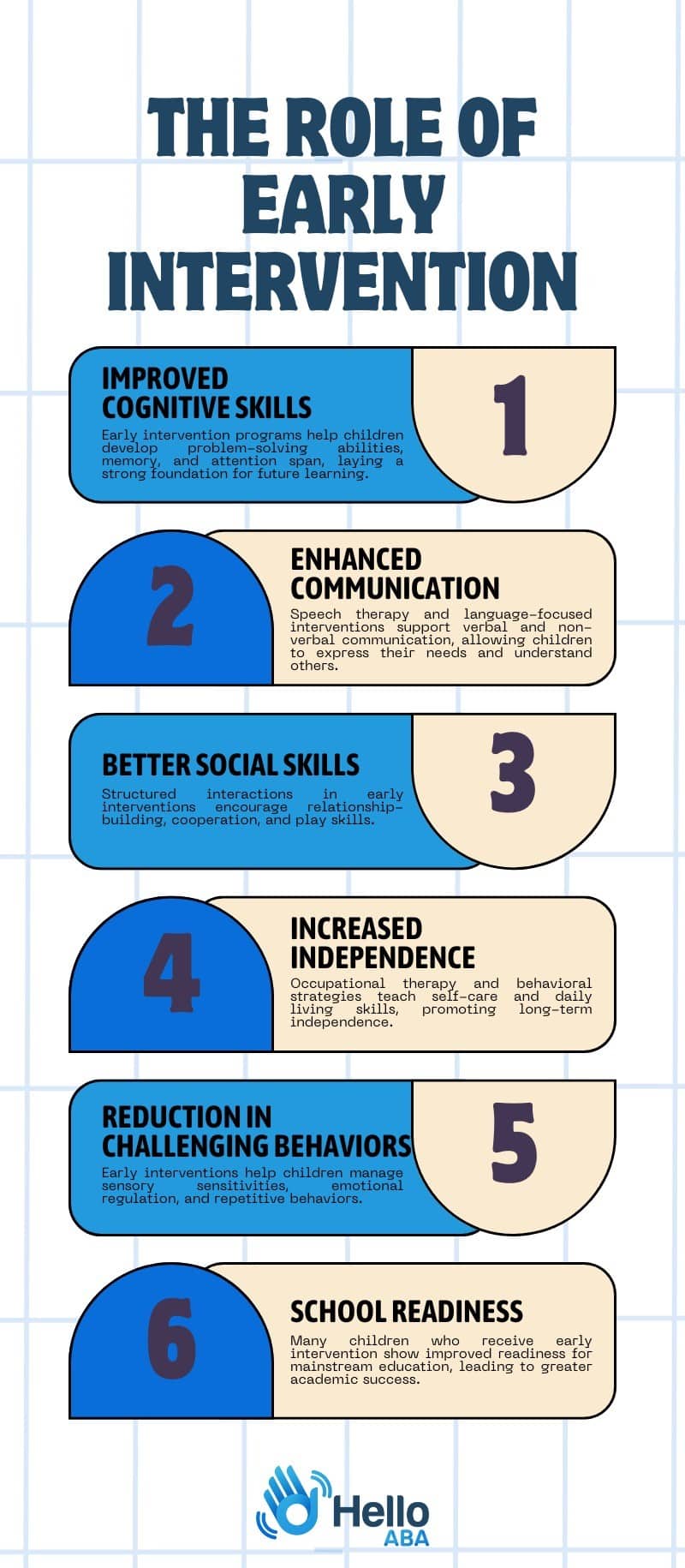
Behavioral interventions remain the cornerstone of evidence-based autism therapies. Rooted in the principles of applied behavior analysis (ABA), these approaches meticulously dissect behavior into measurable components, enabling precise modification strategies aimed at enhancing communication, social interaction, and adaptive skills.
ABA employs reinforcement principles to encourage desirable behaviors and reduce maladaptive ones, delivering a highly individualized treatment plan. The robust empirical support for ABA stems from its extensive history of controlled studies demonstrating improvements in language acquisition, daily living skills, and social engagement. Nevertheless, it requires significant intensity and consistency, which can pose challenges in implementation, underscoring the necessity for professional guidance.

Speech and Language Therapy: Bridging Communication Gaps
Communication difficulties are a hallmark of autism, making speech and language therapy an indispensable facet of intervention. This therapy encompasses a spectrum of strategies designed to enhance expressive and receptive language capabilities, augment non-verbal communication, and build pragmatic language skills necessary for social reciprocity.
Evidence-based approaches in this domain include individualized articulation exercises, augmentative and alternative communication (AAC) systems, and social communication interventions tailored to developmental levels. The efficacy of speech therapy lies in its ability to scaffold communication progressively, adapting to the evolving capacities and motivations of the individual.
Occupational Therapy: Cultivating Independence and Sensory Integration
Occupational therapy (OT) frequently targets the sensory processing challenges and motor skills deficits prevalent in many individuals with autism. Through activities designed to improve fine motor coordination, sensory modulation, and functional living skills, OT fosters autonomy and self-regulation.
Evidence-based OT protocols employ sensory integration techniques that help individuals process and respond to sensory stimuli more adaptively. The focus is not merely skill acquisition but enhancing the individual’s ability to navigate their environment comfortably, thereby improving quality of life.
Social Skills Training: Nurturing Meaningful Connections
Social deficits are central to the autism diagnosis, often manifesting as difficulties in understanding social cues and sustaining reciprocal interactions. Social skills training, grounded in social learning theory, equips individuals with the tools necessary to forge and maintain relationships, a crucial determinant of long-term wellbeing.
Group-based interventions, role-playing exercises, and video modeling are among the empirically supported techniques that cultivate perspective-taking, emotion recognition, and conversational turn-taking. These trainings are critical in mitigating isolation and fostering community integration.
Pharmacological Interventions: Complementing Behavioral Approaches
While no medication cures autism, pharmacological treatments can ameliorate co-occurring symptoms such as anxiety, irritability, or attention difficulties. Medications are therefore often adjunctive, integrated within a holistic, multidisciplinary treatment regimen.
Selective serotonin reuptake inhibitors (SSRIs), stimulants, and antipsychotics have demonstrated efficacy in mitigating specific symptoms, thereby facilitating greater engagement in behavioral therapies. The judicious use of medications requires ongoing monitoring to balance benefits against potential side effects.
Challenges in Implementing Evidence-Based Interventions
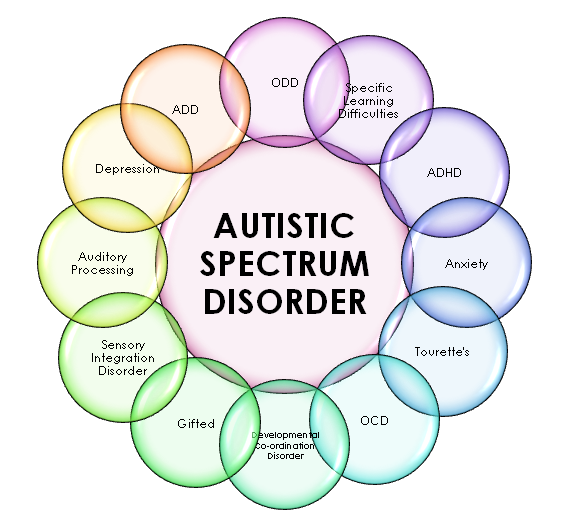
Despite the promise of evidence-based interventions, several challenges complicate their deployment. Resource constraints, geographical disparities, and variable access to trained professionals can limit availability. Furthermore, the heterogeneity of autism necessitates personalized approaches; a method effective for one individual may not yield similar outcomes for another.
Moreover, the intensity and duration of some interventions, such as ABA, require sustained commitment, which can strain families emotionally and financially. Ethical considerations also arise regarding autonomy and the potential for interventions to prioritize normalization over acceptance.
The Future of Autism Intervention: Integrative and Inclusive Models
Emerging trends in autism intervention advocate for integrative models that harmonize evidence-based practices with respect for neurodiversity and individual agency. This paradigm shift recognizes the value of embracing unique cognitive and sensory profiles rather than solely seeking behavioral conformity.
Technological advancements—such as teletherapy, virtual reality social skills training, and AI-driven personalized treatment plans—herald a new era of accessibility and precision. Interdisciplinary collaboration among researchers, clinicians, and families is vital in fostering interventions that are not only efficacious but also compassionate and contextually relevant.
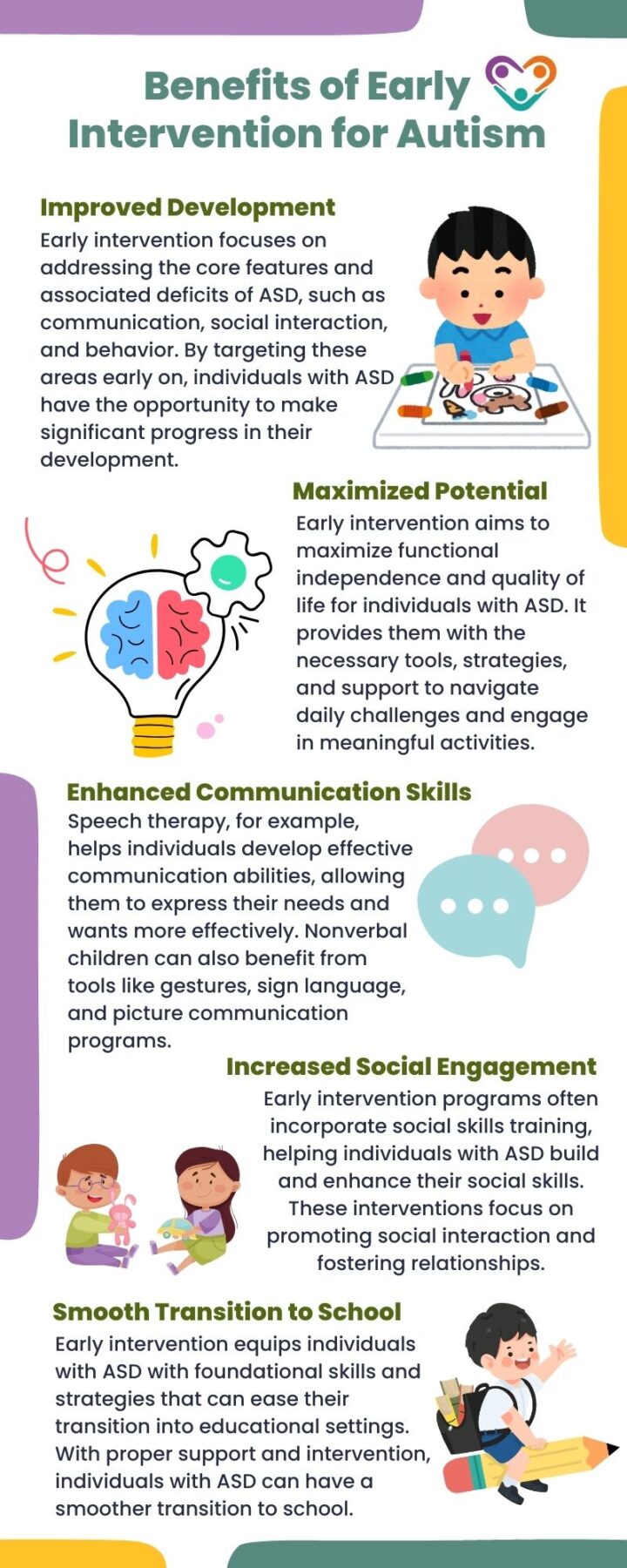
In sum, the quest for effective autism interventions demands a delicate balance between scientific rigor and individualized care. While evidence-based approaches provide a sturdy framework, the nuanced realities of ASD compel ongoing refinement and adaptation. Embracing this challenge is essential to unlocking the inherent potential within every individual on the spectrum, empowering them to thrive in a world rich with possibility.