High-functioning autism (HFA) is a term that invites both intrigue and misconception. For many, it conjures images of extraordinary intellect coupled with social awkwardness—a simplified portrait at best. Yet, beneath this seemingly straightforward label lies a complex constellation of experiences that defy easy categorization. To truly grasp what high-functioning autism represents, one must delve deeper into its nuances, uncovering layers that challenge conventional assumptions and reveal a richer, more intricate human experience.
An Evolving Terminology: Beyond Labels
The phrase “high-functioning autism” has long served as a distinguishing term within the autism spectrum, primarily denoting individuals who exhibit average to above-average intelligence and possess verbal communication skills. However, this terminology is slowly being reconsidered among clinicians and advocates alike. It masks the variability in challenges faced by those it describes and risks marginalizing the very real struggles beneath apparent competence.
High-functioning autism describes individuals who, despite not displaying the pronounced language or intellectual impairments often associated with classic autism diagnoses, still experience profound differences in social interaction, sensory processing, and emotional regulation. The term is less diagnostic and more descriptive, a kind of shorthand that inadequately accounts for the heterogeneous nature of the spectrum.

Unveiling the Subtle Complexities
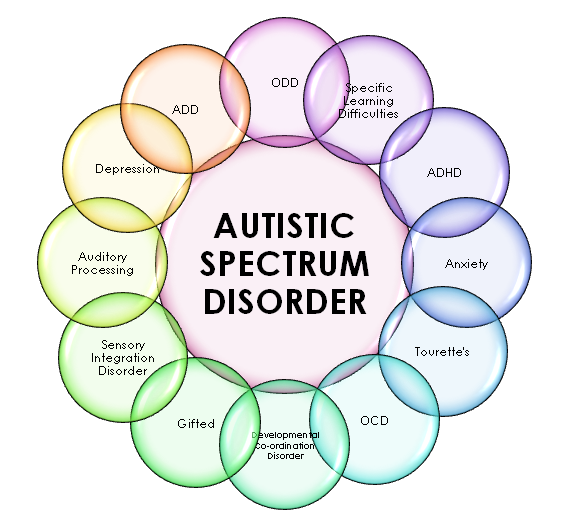
The hallmark of high-functioning autism is often intellectual acuity combined with social struggles. Yet, this juxtaposition alone does not capture the labyrinthine experience of those living with HFA. Sensory sensitivities can impose invisible barriers, making everyday environments overwhelming. Imagine the cacophony of sounds, the barrage of tactile sensations, or the unpredictable fluctuations in lighting that others might overlook; these stimuli can arrest attention and amplify anxiety exponentially.
Emotional nuances further complicate the landscape. For individuals with high-functioning autism, emotions are not simply felt; they are often dissected, intensely analyzed, or even elude their grasp completely. This dysregulation may lead to internalized distress masked beneath a veneer of composure, or externalized behaviors misunderstood by peers and caregivers alike.

The Social Paradox: Navigating Connection and Isolation
One of the most paradoxical aspects of high-functioning autism lies in social relationships. On the one hand, individuals may demonstrate an intense desire for connection. On the other, the mechanisms used by neurotypical society to foster relationships can feel alien or exhausting. Social cues—subtle gestures, tone modulations, and unspoken norms—may appear as an indecipherable code.
Consequently, many with HFA develop compensatory strategies that allow them to “mask” their difficulties. This masking can be mentally and emotionally taxing, often leading to burnout or exacerbated anxiety. The social paradox is not just about isolation versus connection, but about the effort and resilience required to bridge a yawning communicative gap.
Disentangling High-Functioning Autism from Asperger’s Syndrome
Historically, Asperger’s syndrome occupied a unique niche within autism diagnostics, often conflated with high-functioning autism due to overlapping attributes. Contemporary diagnostic frameworks, however, have subsumed Asperger’s under the broader autism spectrum disorder (ASD) umbrella to better capture the continuum’s fluidity.
While Asperger’s was once characterized by challenges in social integration combined with average or superior verbal skills, high-functioning autism is an umbrella term encompassing a range of cognitive profiles. Understanding their relationship aids in appreciating the diverse manifestations of autism rather than attempting to pigeonhole individuals into rigid diagnostic boxes.

Strengths and Challenges: A Dual Narrative
The narrative around high-functioning autism is often dichotomized into deficits or abilities. Yet, the reality is more ambivalent. Individuals with HFA frequently exhibit exceptional skills in highly focused domains—pattern recognition, memory recall, analytical reasoning—sometimes referred to as “islets of ability.” These can be formidable assets in academic, professional, and creative pursuits.
However, acknowledging these strengths should not eclipse the intrinsic challenges: difficulty with flexible thinking, vulnerability to sensory overload, struggles with executive functioning, and the emotional toll of social misunderstandings. Awareness of this dual narrative helps foster empathy and tailored support, ensuring individuals are not merely viewed through the lens of function or dysfunction.
Redefining Success and Support
Conventional definitions of success—career advancement, social integration, independence—may not adequately resonate with the lived realities of people with high-functioning autism. The imperative is to recalibrate societal expectations and support systems.
Effective support prioritizes individualized accommodations, sensory-friendly environments, and mental health resources. Equally important is the cultivation of communities where neurodiversity is embraced as a form of human variation rather than a deficiency to be cured or concealed. Such an inclusive approach heralds a paradigm shift from normalization toward authentic acceptance.
Looking Ahead: The Promise of Changing Perspectives
High-functioning autism invites us to reconsider rigidity in diagnosis, expectations, and understanding. It beckons us toward a narrative that honors individuality within the spectrum and challenges reductive binaries of ability and disability.
As scientific insights expand and societal awareness grows, there is hope for a future in which labels serve as gateways to deeper understanding rather than barriers—a future where individuals with high-functioning autism find space to thrive on their own terms.
In this evolving conversation, what high-functioning autism really means is a testament to human complexity—a reminder that our differences are threads woven into the rich tapestry of human experience. To listen, to learn, and to embrace the intricacies beneath the label is to embark on a journey of profound discovery and compassion.