Imagine the intricate process of diagnosing autism in school-age children as akin to assembling a vast and complex mosaic—each small piece, when carefully examined and thoughtfully placed, contributes to the revelation of a larger, more vibrant picture. This image is not instantly apparent; rather, it unfolds through layers of observation, nuanced assessment, and interdisciplinary collaboration, revealing the unique neurodevelopmental landscape that defines autism. The journey from initial concerns to a formal diagnosis requires a meticulously orchestrated approach, captivating both in its scientific rigor and its profound human significance.
Recognizing Initial Indicators: The First Shards of the Mosaic
Often, the diagnostic journey begins with the subtle detection of differences—a child’s social interactions may feel somewhat out of sync, or their communication might carry an unusual cadence. Parents and educators frequently serve as the initial witnesses to these nuanced variations. Behaviors such as difficulty maintaining eye contact, delayed speech development, or an intense preference for routine can signal early clues. These early observations are the mosaic’s foundational shards; without them, the diagnostic image remains incomplete.

School environments are often the frontline in recognizing these indicators. Teachers, armed with experience and a deep understanding of typical childhood behavior, notice when a child’s developmental trajectory diverges from expected patterns. However, recognizing differences is merely the prelude to a thorough investigative process.
Comprehensive Behavioral Evaluation: Piecing Together the Puzzle
The second phase in the diagnostic odyssey unfurls as a comprehensive behavioral evaluation, a methodical effort to gather objective data through direct observation and standardized instruments. This evaluation spans multiple contexts—the classroom, home, and sometimes clinical settings—ensuring a holistic perspective on the child’s behaviors.
Standardized tools such as the Autism Diagnostic Observation Schedule (ADOS) and the Autism Diagnostic Interview-Revised (ADI-R) are gold standards in this respect. These instruments dissect social communication abilities, repetitive behaviors, and adaptive functioning, generating quantifiable metrics that encapsulate the child’s profile. The clinical administrator adopts the role of a meticulous cartographer, mapping the behaviors against diagnostic criteria to underline patterns that might otherwise go unnoticed.
Multidisciplinary Assessments: The Symphony of Specialists
Diagnosing autism in school-age children evokes a symphony, with each specialist contributing their distinct instrument to create harmony from complexity. Psychologists, speech-language pathologists, occupational therapists, and pediatricians converge, offering layered insights into cognitive, communicative, physical, and emotional domains.
Psychological assessments explore cognition and adaptive behaviors, helping differentiate autism from other developmental conditions that may present with overlapping features. Speech-language evaluations reveal subtleties in pragmatic language use and nonverbal communication, often disrupted in autism’s neurodivergence. Occupational therapists assess sensory processing and motor coordination, uncovering underlying challenges that affect everyday functioning.

This multidisciplinary approach ensures the diagnostic picture is richly detailed, highlighting the unique appeal of each child’s profile rather than fitting them into a limiting pigeonhole. It underscores the understanding that autism is not a monolith but a spectrum with vast variability.
Medical and Developmental History: Unearthing the Underlying Layers
Every diagnostic tapestry is woven with threads from the child’s medical and developmental history. Understanding the prenatal environment, birth complications, and early developmental milestones provides vital context. Was there delayed babbling or atypical motor development? Are there comorbid medical conditions such as epilepsy or sleep disorders that might influence presentation?
These elements are not mere background; they can illuminate the reasons behind certain behavioral expressions and inform the diagnostic precision. The clinician acts as an archaeologist, carefully excavating layers of history to comprehend the child’s developmental narrative fully.
Parental and Educational Input: The Cornerstones of Context
The voices of parents and educators form an indispensable axis around which the diagnosis revolves. Parents provide rich anecdotes and observations across various environments and over extended periods, offering depth to the diagnostic process. Educators contribute insights based on peer interactions and classroom adaptability, often identifying subtle social nuances and learning challenges.
Gathering this information involves structured questionnaires and interviews, such as the Social Responsiveness Scale (SRS), which quantify social deficits and repetitive behaviors from those who experience the child’s day-to-day reality. This collaborative exchange ensures the diagnosis reflects lived experience rather than isolated clinical snapshots.
Challenges and Considerations: Navigating the Diagnostic Labyrinth
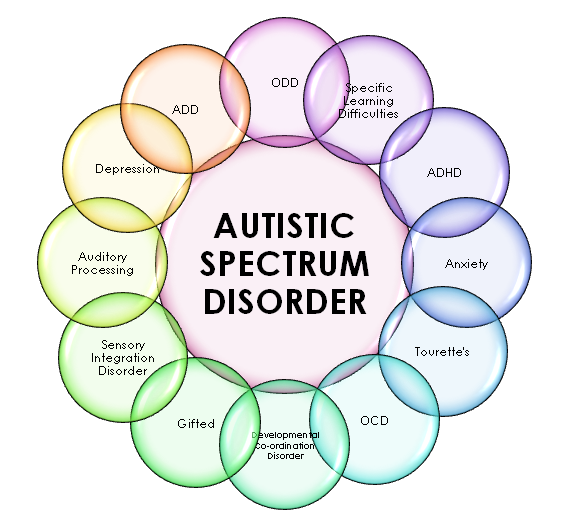
The pathway to diagnosis is fraught with challenges akin to navigating a labyrinth. Co-occurring conditions such as ADHD, anxiety, or learning disabilities can mask or mimic autism symptoms, confounding the clarity of the diagnosis. Cultural factors may affect the interpretation of behaviors or willingness to seek assessment. Furthermore, girls with autism often present differently, with subtler social difficulties, leading to underdiagnosis or misdiagnosis.
Professionals must exercise keen clinical acumen and cultural competence, ensuring sensitivity and accuracy. The mosaic gains deeper color and texture only when these intricate layers are acknowledged and integrated into the diagnostic process.
The Formal Diagnosis and Beyond: Opening Doors to Tailored Support
Receiving a formal autism diagnosis marks both an end and a beginning—a culminating acknowledgement of the child’s unique neurodevelopmental profile and a gateway to specialized support services. This validation empowers families and educators to access tailored educational plans, therapeutic interventions, and community resources designed to foster growth and maximize potential.
Individualized Education Programs (IEPs) arise from this foundation, adapting the learning environment to the child’s strengths and challenges. Early and targeted interventions can enhance communication skills, social competencies, and adaptive behavior, guiding the child toward greater autonomy and enriched quality of life.
Ultimately, diagnosing autism in school-age children is an emblematic blend of science, empathy, and artistry. It demands diligence and collaboration to assemble a multifaceted mosaic that transforms uncertainty into clarity. Recognizing the richness within neurodiversity, this process not only identifies differences but celebrates them, opening doors to understanding and support that resonate far beyond the diagnostic moment.