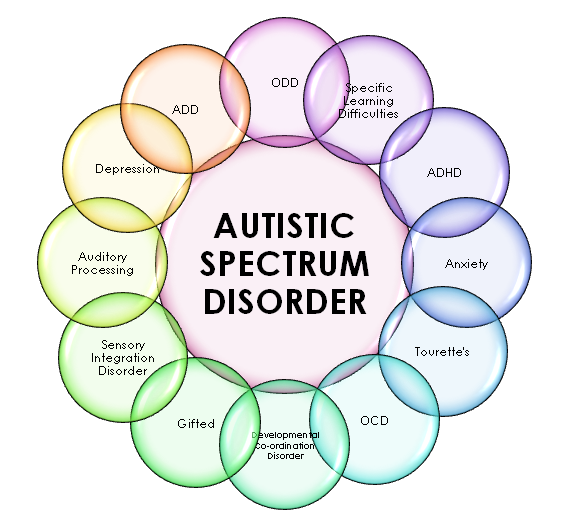
Anxiety in autistic children often manifests as a pervasive undercurrent that shapes their day-to-day existence in subtle and sometimes bewildering ways. Observing these children, one may notice not just the anxiety itself but also the unique manner in which it intertwines with their profound interests and behaviors. This interaction hints at deeper neurological and emotional intricacies. Understanding how to help requires more than a cursory glance: it demands a compassionate, multifaceted approach that honors their individuality and navigates the complexities of autism spectrum conditions.
Recognizing the Nuances of Anxiety in Autism
Anxiety in autistic children does not always announce itself in conventional forms such as verbal expression or overt distress. Instead, it may manifest through behaviors like repetitive movements, avoidance, or an unusual attachment to specific routines or objects. These behaviors, often mistaken as mere obsessions or fixations, serve as coping mechanisms to manage overwhelming sensory input or unpredictable environments.
Such manifestations suggest that anxiety is not simply an external stressor but also deeply entwined with the neurological wiring of the child. The fascination with certain subjects or objects may offer a sanctuary where anxiety is temporarily subdued. Hence, addressing anxiety necessitates an appreciation of these focal points as not just compulsions but as potential therapeutic entry points.

Establishing Predictability Through Structured Environments
One of the most effective strategies to alleviate anxiety in autistic children involves cultivating predictability. The unpredictability of daily life can exacerbate anxiety, fueling behaviors that seem inexplicable to outsiders. Structured environments—with clear schedules, visual supports, and consistent routines—offer a calming framework that reassures the child.
This structured approach reduces the cognitive load associated with anticipating social interactions or new experiences. It also empowers the child, granting a semblance of control over their surroundings, which is often fraught with sensory or emotional turmoil. Incorporating visual schedules, for instance, transforms abstract concepts of time and expectation into tangible cues, thereby reducing ambiguity.
Leveraging Special Interests as Therapeutic Tools
Special interests are hallmark features in many autistic children and often serve a dual purpose. While they might be perceived as narrow or obsessive, these passions frequently provide comfort and a sense of mastery. Utilizing these interests as conduits for communication and engagement can be profoundly beneficial.
For example, a child fascinated by trains might find solace in structured storytelling or social scenarios revolving around trains. This not only eases anxiety by anchoring interactions in familiar territory but also fosters social skill development and emotional resilience. It is a strategy that transforms fascination from a potential barrier into a bridge of understanding and connection.

Incorporating Mindfulness and Sensory Regulation Techniques
Mindfulness practices tailored for autistic children can be highly effective in managing anxiety. These techniques teach the child to recognize and gently observe their internal states, promoting self-regulation. Sensory regulation tools—such as weighted blankets, noise-cancelling headphones, or tactile toys—serve as adjuncts in calming the nervous system.
Identifying sensory triggers that heighten anxiety and proactively mitigating them enriches the child’s capacity to engage meaningfully with their environment. Such accommodations underline the importance of a personalized approach, as sensory sensitivities vary widely among individuals on the spectrum.
Facilitating Emotional Expression and Communication
Many autistic children face challenges expressing their emotions verbally, which can intensify feelings of anxiety. Supporting alternative methods of emotional expression is vital. Visual aids such as emotion cards, communication devices, or art therapy can empower children to convey their inner experiences.
This externalization often alleviates internal pressure and provides caregivers with critical insights into the child’s emotional landscape. Over time, enhancing emotional literacy also strengthens the child’s ability to predict and manage anxiety-provoking scenarios.
Collaborating with Professionals and Building a Support Network
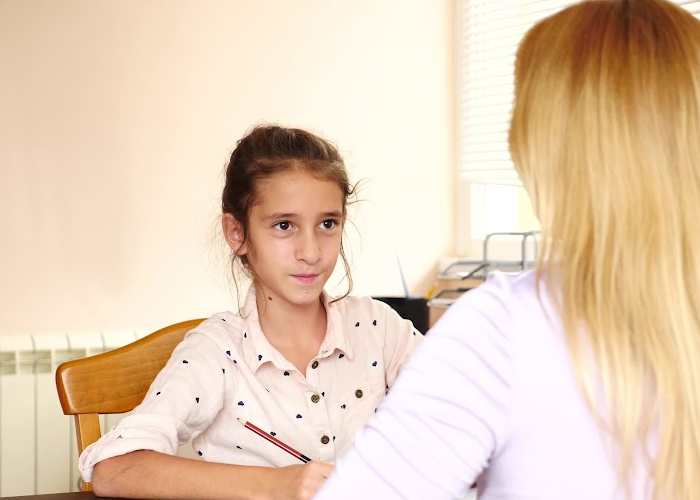
Interdisciplinary collaboration forms the backbone of comprehensive anxiety management for autistic children. Psychologists, occupational therapists, speech-language pathologists, and pediatricians each contribute unique perspectives and interventions tailored to the child’s needs.
Moreover, engaging with support groups and community resources fosters a network of empathy and shared expertise for both the child and family. Navigating anxiety does not have to be solitary; collective wisdom often illuminates paths that might otherwise remain obscured.
Empowering Parents with Knowledge and Self-Care
Parents are the primary advocates and caregivers for children navigating anxiety within autism. Arming themselves with knowledge about anxiety’s manifestations and remedies equips parents to respond effectively. Equally important is acknowledging the emotional toll caregiving can exact and prioritizing self-care.
Resilience in parents fosters resilience in children. It upholds the delicate balance between supporting the child’s independence and providing necessary guidance, creating a nurturing environment where anxiety can be addressed constructively.
In essence, helping an autistic child with anxiety involves embracing their uniqueness, understanding the undercurrents that drive their behaviors, and weaving a tapestry of support that is both structured and flexible. By recognizing the profound connections between anxiety and their special interests, parents and caregivers unlock the potential for deeper engagement and healing. This journey demands patience, empathy, and collaboration, ultimately guiding children toward a more serene and empowered existence.