Supporting siblings of autistic children demands a paradigm shift, one that transcends conventional notions of caregiving and forges a path of empathy, understanding, and intentional nurturing. Often overshadowed by the immediate needs of their autistic brothers or sisters, these siblings navigate a complex emotional landscape that requires deliberate attention and thoughtful guidance. To truly support them is to recognize their unique journey as integral to the family’s well-being and to cultivate an environment where their experiences are validated, their voices heard, and their individuality celebrated.
Recognizing the Invisible Emotional Terrain
The first step in supporting siblings of autistic children is to acknowledge the profound emotional complexity they often endure. These siblings may wrestle with feelings of confusion, jealousy, guilt, or neglect, tangled within the compassionate love they feel for their autistic sibling. This emotional terrain is frequently overlooked or misunderstood, leading to the inadvertent marginalization of their needs.
By fostering open dialogue where siblings can express their sentiments without fear of judgment or dismissal, parents create a sanctuary of emotional safety. Encouraging honest conversations about feelings—both positive and challenging—helps dismantle unspoken tensions and nurtures resilience. This practice not only validates the sibling’s experience but equips them with language and frameworks to process their world effectively.
Equipping with Knowledge and Understanding
Ignorance breeds fear, but knowledge engenders empathy. Educating siblings about autism in a clear and age-appropriate manner demystifies their brother’s or sister’s behaviors and needs. It shifts perceptions from frustration or misunderstanding to informed compassion. Knowing why certain behaviors occur or why particular routines matter uncovers the rationale behind actions that might otherwise seem perplexing or disruptive.
Parents and caregivers can utilize a variety of tools—stories, visual aids, or interactive activities—to convey the nuances of autism. Such resources not only reduce misunderstandings at home but arouse curiosity, inviting siblings to become allies in the autistic child’s developmental journey rather than passive observers or reluctant participants.
Carving Out Dedicated Time and Space
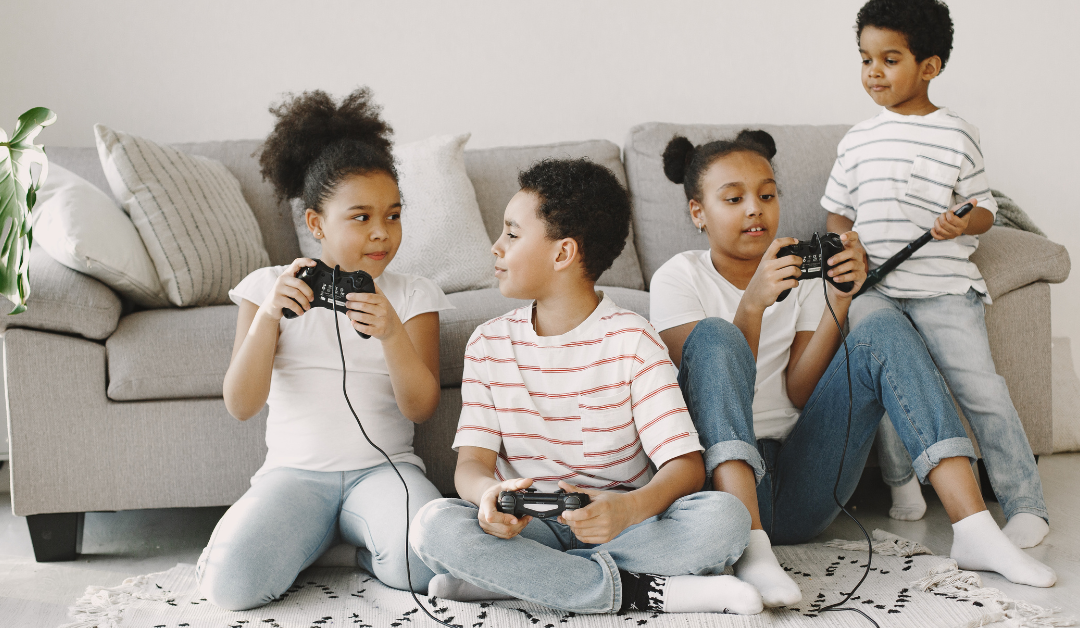
One of the most overlooked ways to support siblings involves dedicating intentional, uninterrupted time specifically for them. Amidst the whirlwind of therapies, appointments, and specialized care, siblings can unintentionally feel sidelined. Allocating moments free from distractions to engage in activities they enjoy reinforces their sense of worth and belonging.
This sacred time can be as simple as a weekly outing, a shared hobby, or solitary solitude that grants them room to recharge and develop their identity beyond their sibling’s diagnosis. Such gestures communicate unequivocally that their presence and happiness are equally cherished within the family fabric.
Promoting Social Connections and Peer Support
Isolation is a lurking risk for siblings, especially given the demands placed on families managing autism. Facilitating opportunities for social interaction with peers who share similar experiences can alleviate feelings of aloneness and foster community.
Support groups, whether in person or virtual, provide a platform for siblings to exchange stories, challenges, and triumphs with others who genuinely understand their unique perspective. This network can empower them, validating their struggles and celebrating their strengths in a communal setting that transcends their family’s specific circumstances.
Cultivating Emotional Intelligence and Coping Skills
Bolstering siblings’ emotional intelligence equips them with the tools to navigate complex interpersonal dynamics and their personal emotional world. Teaching mindfulness, self-reflection, and adaptive coping strategies equips siblings to manage stress effectively and enhances their psychological agility.
These skills become invaluable as they face not only the immediate realities at home but also broader societal challenges. Encouraging journaling, artistic expression, or counseling introduces constructive outlets for processing experiences, while reinforcing the notion that attending to their mental health is paramount.
Fostering Inclusion and Celebrating Individuality
Supporting siblings means honoring their uniqueness, passions, and achievements just as avidly as those of the autistic child. This balanced attention nurtures self-esteem and prevents sibling rivalry from festering beneath the surface.
Parents should strive to highlight each child’s distinct talents and dreams, weaving a tapestry of family life where every member feels recognized and valued. Celebratory rituals, personalized encouragement, and equitable acknowledgment affirm that their identity is not merely an adjunct to their sibling’s condition but a vibrant story in its own right.
Enlisting Professional Guidance When Necessary
Sometimes, the intricate challenges faced by siblings necessitate professional support. Psychologists, counselors, or family therapists can provide tailored interventions that address specific emotional or behavioral issues stemming from their unique family dynamics.
Engaging professionals not only legitimizes siblings’ experiences but also models a proactive approach to mental wellness. Early intervention in this regard can fortify familial bonds and empower siblings to thrive alongside their autistic brother or sister rather than merely cope with the circumstances.
Every family’s journey with autism is distinct, woven from threads of resilience, vulnerability, and boundless love. By shifting perspective to see the siblings not as secondary characters but as vital protagonists, caregivers can orchestrate a nurturing environment that honors all children’s needs. Supporting siblings of autistic children is more than a responsibility—it is an invitation to cultivate deeper empathy, richer connections, and a family dynamic where every voice resonates with respect and care.