

Communicating the nuances of autism spectrum disorder (ASD) to your child’s teacher is a pivotal step in fostering an environment where your child can thrive academically, socially, and emotionally. This conversation transcends mere disclosure—it lays the groundwork for empathy, accommodation, and collaboration. Approaching this dialogue with clarity and sensitivity ensures that your child’s unique needs are comprehensively understood and effectively addressed within the classroom setting.
Understanding Autism: Establishing a Common Ground
Before initiating the conversation, it is essential to ground the teacher’s understanding in the multifaceted nature of autism. Autism is a neurodevelopmental condition characterized by differences in communication, social interaction, sensory processing, and behavior. However, it is crucial to emphasize that autism manifests uniquely in every individual. Some children may exhibit heightened sensory sensitivities, while others excel in pattern recognition or rote memory. This variability underscores the necessity of personalized educational strategies rather than a one-size-fits-all approach.
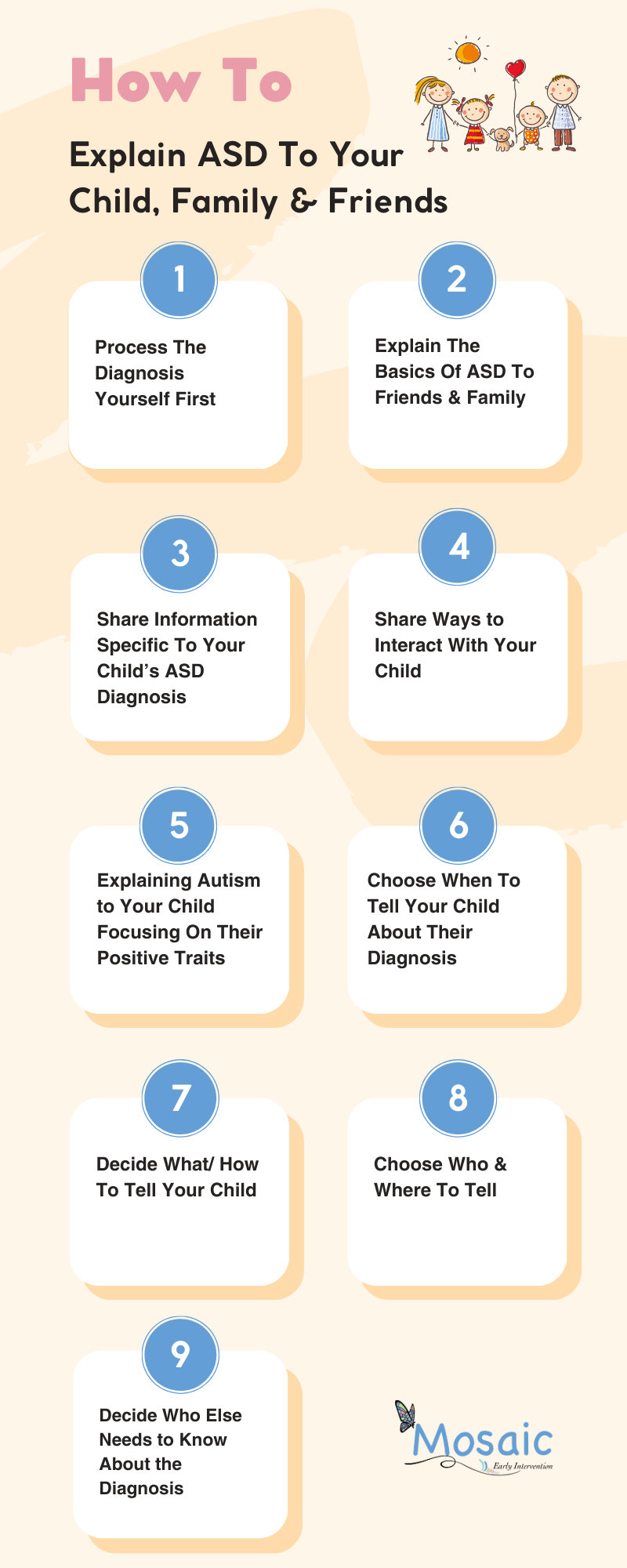
Equipping the teacher with this foundational knowledge can pave the way for patience and adaptability in meeting your child where they are.
Highlighting Your Child’s Strengths and Challenges
Each child embodies a spectrum of strengths that can be harnessed to promote engagement and confidence. Sharing detailed insights about your child’s abilities illuminates the pathways through which learning is most accessible. For instance, your child might display exceptional visual-spatial skills or possess a remarkable memory for factual information, which can be leveraged in curricular design.
Conversely, delineating areas where your child experiences difficulties is equally paramount. Whether it is challenges with executive functioning, sensory overload in bustling classrooms, or navigating social nuances, transparent communication about these hurdles invites empathy and proactive intervention. Rather than framing these challenges as deficits, presenting them as areas requiring support fosters a strengths-based perspective.
Discussing Sensory Sensitivities and Environmental Accommodations
Many children on the spectrum experience unique sensory processing sensitivities that can significantly affect their comfort and concentration. These sensitivities can range from aversions to loud noises, bright lights, or tactile stimuli, to the need for specific sensory input to self-regulate. Detailing your child’s sensory profile to the teacher can inform the creation of a classroom environment that minimizes distress and maximizes focus.
Examples of accommodations might include seating arrangements away from noisy areas, permission to use sensory tools such as fidget devices or noise-cancelling headphones, and incorporating regular sensory breaks into the daily schedule. This information arms educators with actionable insights to sculpt an inclusive and nurturing learning space.
Clarifying Communication Styles and Interaction Preferences
Communication is a two-way street that can present complexities in the context of autism. Some children may be nonverbal or prefer alternative modes of communication, such as picture exchange systems or assistive technology. Others may articulate their needs but struggle with interpreting social cues or responding to rapid conversational shifts.
Sharing your child’s preferred communication methods and any salient social interaction patterns with the teacher can mitigate misunderstandings and enhance classroom discourse. Knowledge about your child’s comfort levels with group work, one-on-one interactions, or extrinsic motivation can guide the teacher in tailoring their instructional approach and social facilitation accordingly.
Collaborative Goal Setting and Monitoring Progress
Engaging the teacher in collaborative goal setting affirms a shared commitment to your child’s progress and wellbeing. Outlining specific, measurable, attainable, relevant, and time-bound (SMART) goals ensures that both parties have a coherent roadmap to evaluate growth and setbacks.
Regular communication channels, such as periodic meetings, progress reports, or digital updates, enable ongoing dialogue and prompt adjustments to educational strategies. Encouraging the teacher to document observations and share insights can further enrich this partnership, creating a dynamic feedback loop centered on your child’s evolving needs.
Providing Resources and Educational Materials
Facilitating the teacher’s access to credible resources can deepen their understanding and aptitude in supporting your child. Handing over curated materials—whether books, infographics, or digital content—equips educators with evidence-based knowledge and pragmatic techniques. You might consider sharing guides that delineate classroom management strategies for autism, tailored lesson plan ideas, or even anecdotal accounts that capture your child’s lived experience.

Arming teachers with such tools fosters an environment of continuous learning and empowerment, ultimately benefiting your child’s educational journey.
Anticipating and Addressing Potential Concerns
Openly addressing potential concerns or misconceptions the teacher might harbor is instrumental in cultivating a transparent and trusting relationship. This may involve discussing anticipated behavioral responses, classroom management strategies, or how your child’s needs might intersect with school policies and resources. Being proactive about these conversations neutralizes apprehension and signals your willingness to collaborate constructively.
Additionally, inviting questions from the teacher demonstrates your receptivity and commitment to a partnership, rather than unidirectional communication.
Conclusion: Fostering a Collaborative Educational Partnership
Explaining autism to your child’s teacher is not merely an exchange of information but an invitation to co-create a supportive educational ecosystem. By thoroughly articulating your child’s distinct profile—embracing their strengths, identifying their challenges, and advocating for necessary accommodations—you lay a foundation of empathy and informed action. Remember, education is a collective endeavor, and when teachers and parents unite with clarity and mutual respect, children on the spectrum can flourish to their fullest potential.












