
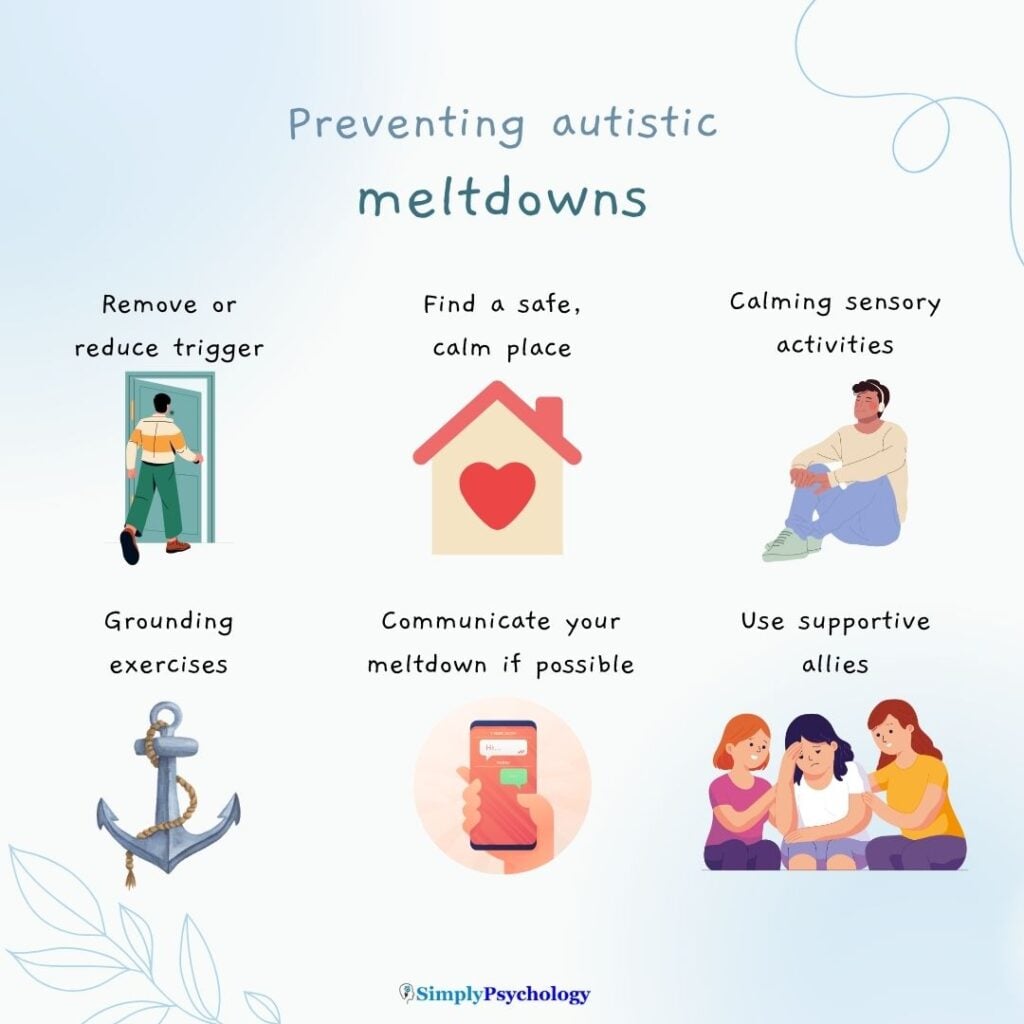
Have you ever wondered if a simple collection of tangible objects could transform a tempestuous meltdown into a moment of serene calm? Creating a calm-down kit tailored for autistic meltdowns not only addresses immediate sensory needs but also fosters a profound sense of security and control. Yet, the challenge lies in weaving together tools and strategies that speak to the unique sensory language of each individual, bridging the chasm between distress and tranquility.
Understanding the Nature of Autistic Meltdowns
Autistic meltdowns are not mere tantrums; they are complex reactions to overwhelming sensory input or emotional stress. Unlike typical emotional outbursts, meltdowns are involuntary, often leaving both the individual and caregivers feeling helpless. Recognizing this vast disparity underscores the necessity for a calm-down kit that is not generic, but meticulously customized to the child’s specific triggers, preferences, and sensory profile.

Key Components of an Effective Calm-Down Kit
Constructing an efficacious calm-down kit requires thoughtful curation of items that provide sensory modulation, emotional grounding, and cognitive distraction. Each piece must be chosen with an understanding of the child’s sensory thresholds—what may soothe one child might overwhelm another.
Sensory Soothers
Sensory soothers are instrumental in rebalancing tactile, auditory, or proprioceptive input. Items such as textured stress balls, squishy toys, or soft fabrics can provide comforting tactile stimulation. Weighted lap pads or small blankets deliver proprioceptive input that can ground the child physically, reducing agitation. Consider including noise-cancelling headphones or calming music playlists to mitigate auditory overstimulation.
Visual and Cognitive Anchors
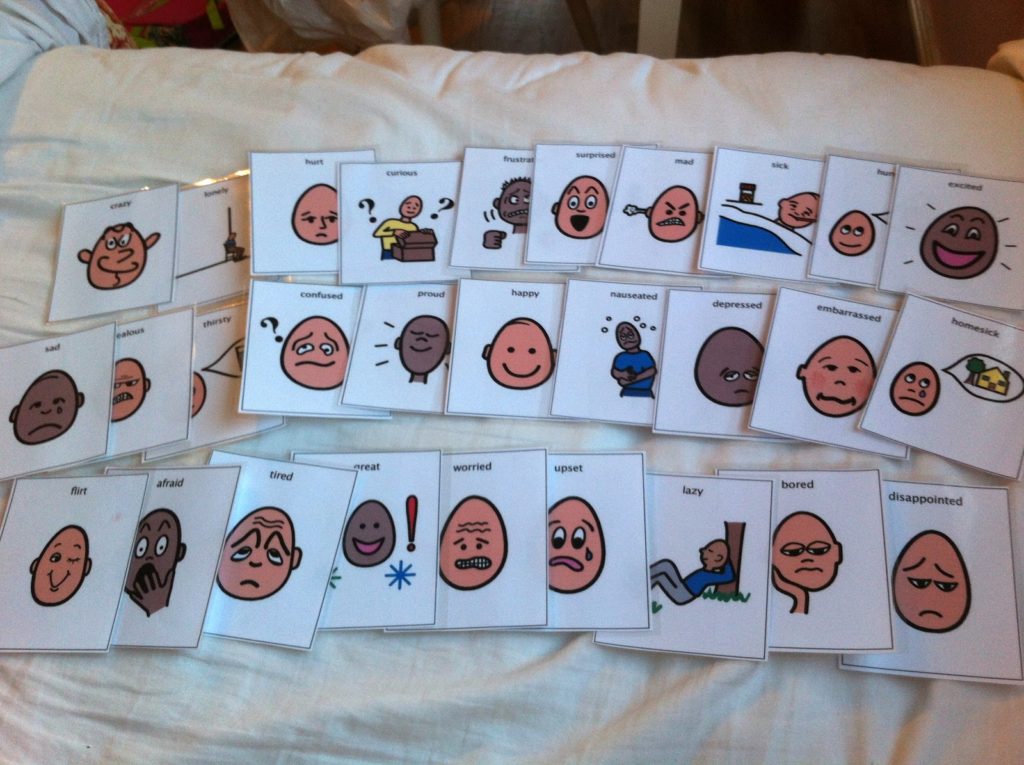
Visual aids like picture cards illustrating coping strategies or calming color palettes can serve as gentle reminders for self-regulation. Including a small notebook or a set of coloring pages engages the mind creatively, providing a constructive outlet for emotion. These tools support the executive function by channeling the child’s attention away from the distress and toward an accessible, calming task.
Comfort Items and Personal Tokens
Personalized objects—like a favorite small stuffed animal or a tactile necklace—serve as emotional anchors, instilling familiarity amidst chaos. Such tokens hold intrinsic meaning, often evoking a sense of safety and identity, essential during moments of overwhelm.
Customization: The Heart of the Kit
There is no one-size-fits-all when it comes to calm-down kits. Engaging the child in the creation process, where feasible, invites autonomy and ensures the inclusion of genuinely effective tools. Observational insights from caregivers become invaluable—documenting which items elicit calm or exacerbate distress refines the kit’s utility over time.

Incorporating Emotional Regulation Techniques
Beyond physical tools, embedding instruction on breathing exercises or guided imagery techniques enhances the kit’s potency. Simple, age-appropriate prompts can be written on cards or laminated sheets, serving as gentle coaches during moments when verbal communication becomes fraught. These strategies scaffold the child’s ability to self-soothe, transforming meltdowns into opportunities for skill-building rather than mere crisis management.
Practical Considerations for Portability and Accessibility
The efficacy of a calm-down kit is tightly linked to its accessibility. Compact, lightweight containers—such as small backpacks or sturdy pouches—encourage portability and ease of use. For children with limited motor skills, packaging should facilitate effortless retrieval of items. The kit must accompany the child across environments, whether at school, home, or in public spaces, ensuring consistent support wherever distress may arise.
Training Caregivers and Educators
The calm-down kit’s potential multiplies when caregivers and educators are versed in its contents and use. Training sessions or written guidelines can clarify how to introduce the kit during low-stress times, ensuring the child associates it with positive reinforcement rather than just crisis intervention. This collaborative approach fosters a cohesive support network, amplifying the child’s sense of security and continuity.
Evaluating and Evolving the Calm-Down Kit
A calm-down kit is a dynamic tool rather than a static solution. Periodic evaluation, based on feedback from the child and their support system, is crucial. New sensory preferences may emerge; certain items may lose efficacy. Flexibility in refining the kit not only maintains its relevance but also mirrors the evolving developmental trajectory of the child.
In the intricate dance between chaos and calm, a thoughtfully curated calm-down kit acts as a steadfast partner. It embodies more than a collection of objects—it is a testament to understanding, empathy, and proactive care. When crafted with deliberate intention, a calm-down kit transforms moments of distress into opportunities for empowerment, equipping autistic children with tools not just to survive a meltdown but to emerge from it with renewed composure and confidence.












