What if the very environment designed to nurture and educate inadvertently becomes a labyrinth of overwhelming stimuli for a child with autism? Crafting a sensory-friendly space is not merely an act of decoration; it is a delicate synthesis of understanding, empathy, and strategic design. The challenge: how to curate surroundings that soothe rather than overstimulate, engage without inundation, and empower rather than inhibit. This journey delves deep into the nuances of sensory sensitivities and unfolds a comprehensive blueprint for creating environments that resonate with the unique needs of individuals on the autism spectrum.
Understanding Sensory Processing in Autism
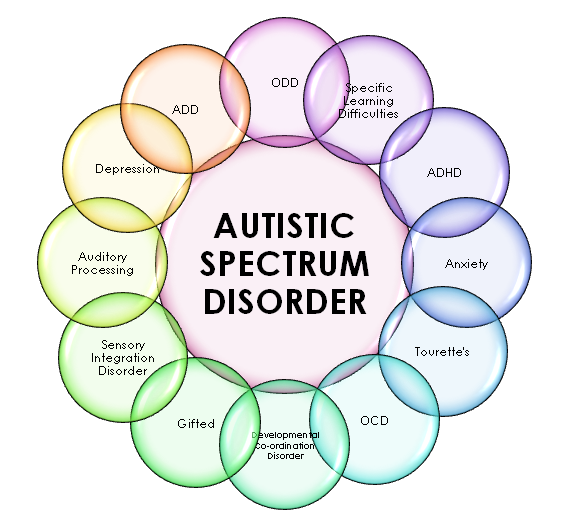
At the core of designing a sensory-friendly environment lies a profound grasp of sensory processing differences inherent in autism. Sensory processing disorder, often intertwined with autism, manifests as hyper- or hypo-sensitivity to stimuli such as light, sound, texture, and movement. For some, the flicker of fluorescent lighting or the hum of a vacuum can trigger distress. For others, a scant tactile sensation might struggle to register at all. This dichotomy creates a landscape where one size never fits all. Recognizing these variations is essential before any physical modifications are made.

Lighting: Harnessing the Power of Natural and Adaptive Illumination
Lighting may seem like a simple element, yet it profoundly influences sensory comfort. Harsh fluorescent lights, with their persistent buzz and flicker, can ignite sensory overload. Instead, natural lighting is highly prized. Windows offering sunlight filtered through curtains create a warm, dynamic ambiance that adjusts with the day’s rhythm. When natural light is scarce, incorporating adjustable LED lights with dimmer switches allows customization to each individual’s preference. Avoiding stark shadows and glare fosters a serene visual field, minimizing anxiety and distraction.
Acoustic Modulation: Sculpting Soundscapes for Serenity
Auditory distractions can be a formidable barrier in sensory-friendly environments. The cacophony of overlapping conversations, buzzing electronics, and sudden noises may provoke distress or shutdowns. Implementing sound-absorbing materials such as acoustic panels, thick carpets, and heavy drapes can significantly dampen ambient noise. White noise machines, or soft nature sounds, may help mask unpredictable sounds, creating a consistent and soothing auditory backdrop. In essential spaces, offering noise-canceling headphones empowers individuals to self-regulate their sensory input.
Textural and Material Considerations
The tactile dimension of the environment holds equal weight in sensory sensitivity. Rough, itchy fabrics or gritty surfaces can provoke agitation or withdrawal. Opting for soft, natural fibers in furniture upholstery and accessories not only provides comfort but enhances tactile exploration in a positive way. Incorporating sensory tools like weighted blankets, fidget toys, or textured cushions expands avenues for calming sensory input. Flooring should also be carefully selected; smooth yet non-slippery surfaces minimize distress caused by unexpected tactile feedback underfoot.

Spatial Organization: Creating Predictability Through Structure
Chaos in physical layout often translates to chaos in the mind. Sensory-friendly environments benefit from uncluttered, well-organized spaces where pathways are clear and functional areas are defined distinctly. Visual schedules, easily accessible storage solutions, and labeled containers help cultivate predictability and autonomy. Dividing the room into zones for quiet reflection, active play, and learning supports varied sensory needs and activities. Using partitions or softly colored screens can create cozy, sheltered nooks that feel safe and invite calm.
Color Palette: Psychological Impact of Hues
Color subtly modulates mood and sensory input. Bold, flashy colors may unintentionally provoke excitement or agitation. Conversely, muted pastel tones like soft blues, greens, and lavenders evoke tranquility and focus. Matte finishes are preferable to glossy surfaces that can cause glare and visual distraction. Accents of more vibrant colors can be strategically placed for engagement without overwhelming the senses. Remarkably, some hues influence physiological responses such as heart rate and breathing, underscoring the importance of a carefully curated palette.
Embracing Natural Elements and Biophilic Design
Incorporating elements of nature brings profound benefits beyond aesthetics. Plants, natural materials like wood and stone, and visual access to outdoor greenery offer gentle sensory stimulation and a restorative atmosphere. The presence of greenery has been linked to reduced stress and enhanced concentration. Integrating water features or natural scents in a subtle manner can invigorate the space, making it a sanctuary of calm exploration. Even small touches—a vase of flowers, a window box—embody biophilic principles that ground the senses gently.
Technology Integration: Balancing Assistance with Overstimulation
Technology can be a double-edged sword. Interactive screens, apps, and communication devices are incredibly valuable tools for education and behavioral support. However, overexposure to bright screens or rapid audiovisual stimuli may overwhelm. Opt for devices with controlled brightness and sound levels, and create defined zones where technology is used purposefully and sparingly. Incorporating timers and clear transition cues assists in managing sensory input and fostering engagement without fatigue or frustration.
Promoting Autonomy and Self-Regulation
Ultimately, a sensory-friendly environment empowers the individual to navigate their sensory world with confidence. Providing accessible sensory tools, spaces for retreat, and clear visual supports cultivates autonomy. Teaching mindfulness and self-regulation techniques within this environment reinforces a symbiotic relationship between space and self. The environment should flexibly adapt to evolving needs, encouraging exploration while honoring boundaries. It becomes a catalyst for growth rather than a barrier.
Creating a sensory-friendly environment for autism is an artful balance of science and compassion. The subtle interplay of light, sound, texture, and space demands attentiveness and creativity. As each carefully considered element converges, the environment transforms from a potential arena of sensory conflict into a haven of calm, engagement, and empowerment. Amidst the tapestry of sensory challenges, such thoughtfully crafted spaces kindle possibility and foster flourishing for individuals on the spectrum.