Creating a sensory room at home for an individual with autism transcends mere interior decoration; it is an intentional, nuanced sanctuary that nurtures the intricate sensory needs unique to each person. Often, observers note an almost magnetic fascination children and adults with autism display towards specific stimuli—be they tactile, auditory, or visual. This captivation is more than preference; it is an essential mechanism for navigating and understanding a world that can be overwhelmingly chaotic. Establishing a dedicated sensory space can harness this instinct, providing a haven that soothes, supports development, and fosters autonomy.
Understanding the Essence of a Sensory Room
A sensory room is carefully crafted to stimulate, calm, or organize the sensory input received by the brain. It often features an array of textures, lights, sounds, and movements designed to cater to the sensory processing differences commonly experienced by individuals on the autism spectrum. The fascination observed is frequently rooted in sensory seeking or sensory avoiding behaviors—responses that highlight the brain’s effort to regulate internal equilibrium through external cues. Recognizing this phenomena is the linchpin in creating a room that is not only visually engaging but therapeutically effective.
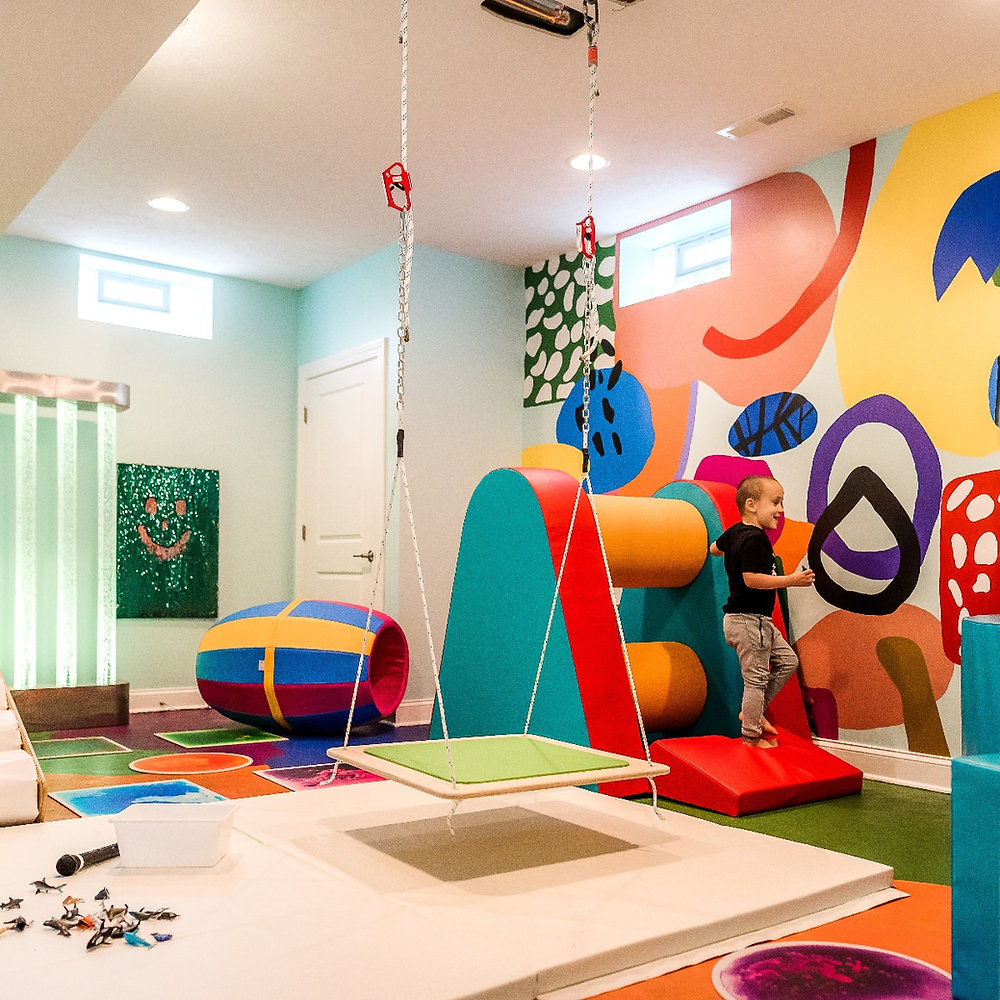
Identifying Individual Sensory Preferences and Needs
The architecture of a sensory room should be predicated on a thorough understanding of the person’s sensory profile. A one-size-fits-all approach falls short of meeting the kaleidoscopic needs evident within the autism spectrum, where some might crave deep pressure and proprioceptive input, while others seek soothing auditory or visual stimuli to quell sensory overload. Consulting occupational therapists or utilizing sensory assessment tools can illuminate which stimuli are beneficial or potentially distressing.
For instance, a child who thrives with tactile input might benefit from textured cushions, weighted blankets, or a ball pit. Conversely, someone with auditory sensitivities may require sound-dampening elements or soft instrumental music. This personalized approach transforms the sensory room from a generic safe space into a dynamic environment that encourages self-regulation and exploration.
Designing for Comfort, Safety, and Flexibility
Physical safety is paramount. The room should have soft surfaces and rounded edges to prevent injury during active engagement. Sensory rooms often incorporate modular furniture and equipment that can be easily rearranged or removed to respond to evolving preferences and developmental progression.
Lighting plays a critical role in managing sensory input. Adjustable lighting options—such as dimmers, fiber optic strands, or color-changing LED panels—afford control over visual stimuli intensity. This adaptability caters to fluxes in sensory tolerance, creating an inviting atmosphere rather than a trigger for distress.

Incorporating Multisensory Equipment and Resources
Equipping the sensory room requires a delicate balance between engagement and overwhelm. Common essentials include tactile balls, bubble tubes, weighted vests, tactile panels, and swing apparatuses. Each item serves a distinct purpose, offering varied sensory inputs—whether proprioceptive, vestibular, tactile, or visual—that collectively promote sensory integration.
Moreover, auditory elements such as white noise machines, nature sounds, or gentle melodies can foster a calming influence. Aromatherapy, when compatible with sensory preferences, may further augment the environment’s calming effect. The room should invite freedom of engagement, allowing users to gravitate naturally towards what soothes or motivates them.
Fostering Independence and Self-Regulation
A sensory room is not merely a retreat but a scaffold toward self-regulation. By offering a consistent, controlled sensory environment, individuals can learn to anticipate and manage sensory experiences. Encouraging choice within the space—selecting particular objects or adjusting lighting—empowers autonomy and decision-making.
Repeated exposure and guided interaction with the sensory environment can strengthen neural pathways involved in sensory processing, honing the ability to cope with real-world stimuli. In this way, the room functions as a microcosm of the larger sensory landscape, where mastery leads to increased confidence and emotional wellbeing.
Creating Routine and Consistency
Over time, embedding the sensory room as a regular part of daily life augments its efficacy. Predictability and consistency in access provide safety and reassurance, particularly for individuals with autism who may find comfort in structured routines. Integrating the room into morning or evening rituals, or as a triumphant break after challenging activities, can maximize its therapeutic potential.
Adapting and Evolving the Space
The sensory needs of individuals with autism are not static. As skills develop and preferences shift, the sensory room should be a dynamic environment. Periodic reassessment and modifications are essential to maintain appropriateness and effectiveness. This adaptability ensures sustained engagement and continued sensory nourishment.

Conclusion
Establishing a sensory room at home for autism is an act of profound empathy and understanding. It acknowledges the complex sensory world navigated daily by individuals on the spectrum, offering a refuge that simultaneously calms and challenges. By delving beneath the surface of observed fascinations, one gains insight into the purposeful sensory strategies employed by the brain to make sense of its environment. Thoughtful design, personalization, and continuous adaptation transform the sensory room from a mere collection of stimuli into a vital instrument for growth, comfort, and empowerment.