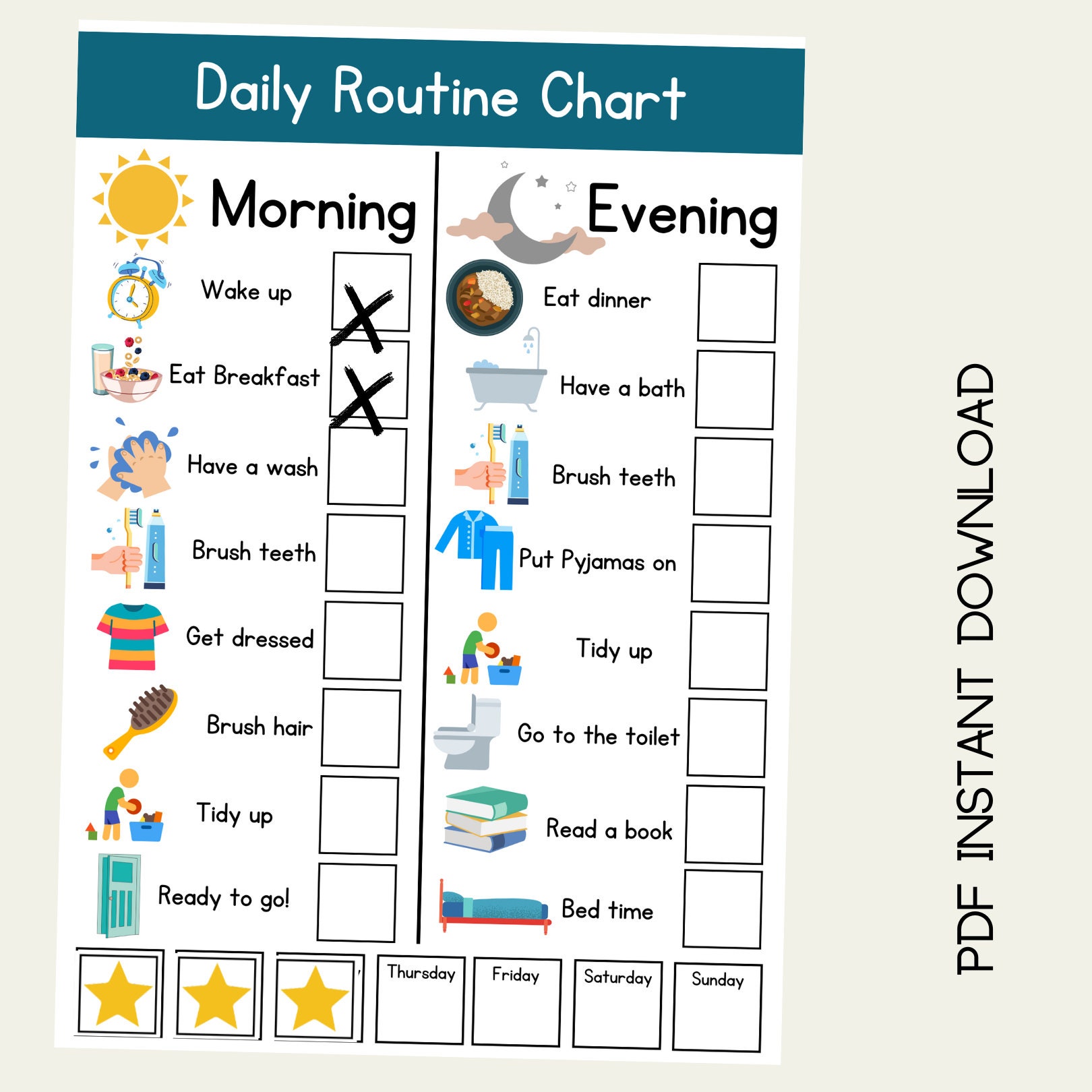
Visual schedules are more than just organizational tools—they herald a transformative journey for autistic children and their caregivers. They promise a shift in perspective, from chaos to clarity, from uncertainty to independence. Embracing a visual schedule means embracing structure infused with empathy, support, and a nuanced understanding of accessibility. This article explores the art and science of crafting effective visual schedules, unveiling the profound impact they can impart on daily living and developmental progress.
The Transformative Power of Visual Schedules
Visual schedules condense complex routines into digestible, image-based segments that communicate expectations with immediacy and precision. Unlike verbal instructions, which may be fleeting or misunderstood, visual cues linger, providing a consistent reference point. This tangible representation of time and activity fosters comprehension, reduces anxiety, and promotes autonomy. It shifts the communicative paradigm to one that speaks in universally accessible symbols, colors, and images.

The symbolism contained within a visual schedule is a potent catalyst for predictability. For many autistic children, unpredictability triggers sensory overwhelm and behavioral challenges. The visual schedule counters this by illuminating the path ahead, alleviating anticipatory stress. The child’s engagement with the schedule offers a gateway to understanding their day, step by deliberate step.
Identifying Individual Needs: The Foundation for Customization
Creating a visual schedule begins with an intimate exploration of the child’s unique preferences, cognitive abilities, and sensory sensitivities. An effective schedule is never one-size-fits-all; it must be tailored to fit like a bespoke garment, accommodating nuances that general guidelines would overlook.
Some children respond favorably to photographs, while others find abstract icons more accessible. Consider the child’s developmental stage and communication style. For non-verbal children, pictorial representations with clear labels can be pivotal. Sensory profiles should inform choices regarding color contrast and image complexity to ensure the schedule is inviting rather than overwhelming.
Designing the Visual Schedule: Structure Meets Creativity
When crafting a visual schedule, one must strike a delicate balance between order and accessibility. The layout should be intuitive, sequenced in a logical progression that mirrors the child’s day. Chronological organization anchors the child’s understanding of time, subtly teaching sequencing skills and temporal awareness.
Employing durable materials, such as laminated cards or magnetic boards, ensures the schedule withstands repeated use. Incorporate velcro or magnets for detachable pieces, offering interactive engagement—a tactile experience conducive to learning and retention. The choice of images requires particular attention. Use high-resolution, unambiguous visuals that poignantly represent activities. Text labels should be large, concise, and paired with symbols wherever possible.

Innovative scheduling tools might include color-coding categories: blues for morning rituals, reds for transitions, greens for leisure time. Such chromatic differentiation imparts an additional layer of organization without demanding verbal explanation. The tactile and visual harmony coalesces into a potent scaffold for the child’s cognitive landscape.
Integrating Flexibility Within a Structured Framework
One of the paradoxes in creating visual schedules is embedding flexibility within a rigid framework. The schedule should provide a dependable roadmap while accommodating the inevitable shifts that real life demands. Allow space for unplanned activities or sensory breaks. Use “choice cards” where the child can select preferred activities within preset parameters, giving them agency.
Preparing the child for changes requires deliberate strategies. Introduce “change cards” or “break cards” to signify deviations from the usual routine. This approach not only preempts anxiety but models adaptability, an invaluable life skill. Flexibility does not undermine structure; it enhances it.
Implementing the Visual Schedule: Strategies for Success
Introducing the visual schedule is a process that requires patience, consistency, and positive reinforcement. Begin by situating the schedule in an accessible and high-traffic location, such as the classroom or the child’s bedroom. Present the schedule during calm moments, explaining each component through shared attention and encouragement.
Model use by navigating through the schedule together, verbalizing each step. Employ prompting and coaching rather than demands. Celebrate successes, no matter how small. Over time, the goal is for the child to internalize the sequence and self-manage transitions smoothly.

Regular review and adjustment of the schedule are paramount. As the child grows, their skills and interests evolve, necessitating corresponding updates. Solicit feedback from the child when possible, and observe behavioral indicators that signal the schedule’s effectiveness or areas for refinement.
Collaborating with Caregivers and Educators
A visual schedule’s efficacy is amplified when it becomes a shared language among family members, educators, and therapists. Communication across these environments ensures consistency, a critical ingredient for enduring success.
Work closely with professionals to integrate the schedule within therapeutic goals and educational frameworks. Provide training or guidance to caregivers on how to utilize the schedule with empathy and flexibility. This collaborative network transforms the visual schedule from a static tool into a dynamic support system.
Beyond the Schedule: Fostering Independence and Confidence
Ultimately, the visual schedule is a vehicle toward enhanced independence. As the child gains familiarity and competence, reliance on the schedule diminishes, replaced by an intrinsic sense of routine and confidence. It equips the child with a cognitive map, empowering them to navigate their world with reduced frustration and increased self-assurance.
In this light, a visual schedule transcends its modest appearance; it becomes a testament to potential realized and barriers dismantled.
Creating a visual schedule for autistic children requires more than assembling pictures—it demands insight, creativity, and a steadfast commitment to fostering understanding and independence. Through thoughtful design and implementation, visual schedules offer a new lens through which children can interpret their days, harnessing predictability and choice to profoundly enrich their experience. This endeavor is a powerful stride toward unlocking the child’s capabilities and celebrating their individuality in every step of the journey.